Bricklayers Insurance for brickwork contractors
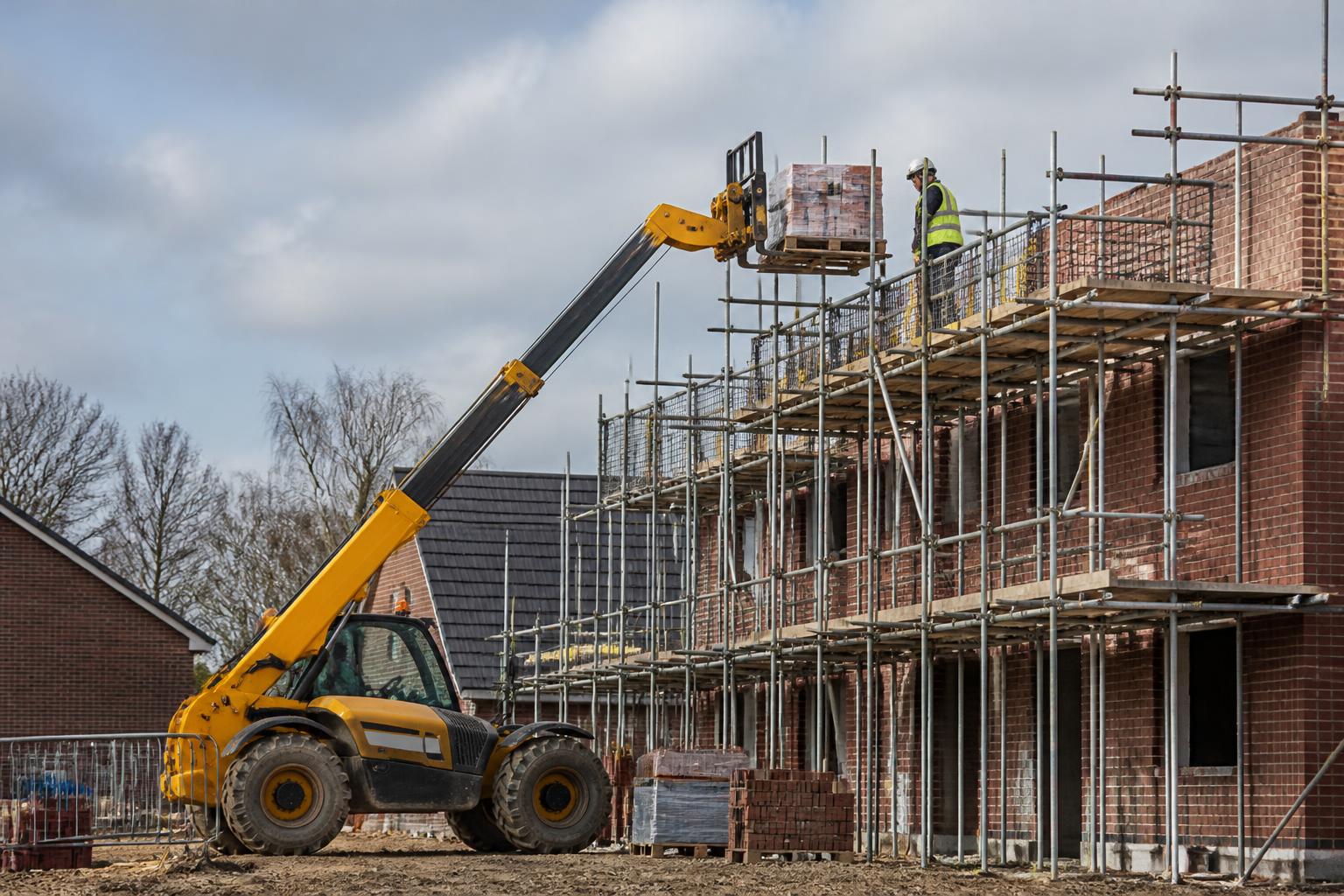
Bricklayers insurance for brickwork firms supplying gangs to housebuilders and main contractors, with telehandlers, mixers and materials across several sites. Compare liability and works cover set to the subcontract terms you sign.
- Employers' liability that counts your labour-only gangs
- Public liability at the limit your main contractors ask for
- Cover for walls in progress, plant and hired-in telehandlers
Reviewed October 2026 by the MyBusinessComparison.com editorial team
What is bricklayers insurance?
Bricklayers insurance is cover for brickwork and blockwork contractors, built around employers' liability for your gangs and public liability for injury or damage caused on site. Larger brickwork firms add cover for the walls they are building, their own and hired-in plant, and the tools and materials they keep on site.
Most established brickwork firms work as subcontractors to housebuilders and main contractors. That means the subcontract usually decides the liability limit, whether you insure the works or rely on the main contractor's policy, and what proof of cover you supply before your gangs go on site. The same cover extends to the hod carriers who serve your gangs, whether employed or supplied labour-only.
Bricklayers insurance at a glance
- Suits
- Brickwork, blockwork and masonry contractors running gangs on several sites
- Main covers
- Employers' liability for the gangs, public liability for everyone else
- Compulsory part
- Employers' liability, including labour-only bricklayers
- Often added
- Contract works, hired-in plant, own plant, tools and site equipment
- Priced on
- Wage roll, gang spend, turnover, working height and claims history
- Usually set by
- The insurance clause in your housebuilder or main contractor subcontract
What does bricklayers insurance cover?
Brickwork firms usually combine the covers below on one trade policy. Each has its own limit, and some depend on what your subcontract already provides.
Employers' liability
Bricklayers, hod carriers and labourers hurt or made ill at work, from falls off scaffold lifts to back injuries from handling blocks and lung disease from cutting dust.
Read more about employers' liability insurance
Public liability
Harm to other trades, visitors and property that is not yours, such as a dropped pallet of bricks damaging a neighbour's car or a cut-off wheel fragment injuring another worker.
Read more about public liability insurance
Contract works
Walls in progress and materials you are responsible for, including storm damage to fresh brickwork before it is tied in or roofed over.
Read more about contractors' all risks insurance
Hired-in telehandlers and plant
Damage to or theft of hired telehandlers, forklifts and mixers. Hire agreements normally leave that risk with you, along with the rental owed until the claim is settled.
Read more about plant and machinery cover
Own plant and tools
Disc cutters, block splitters, mixers, mortar silos and hand tools on site, in containers and in vehicles between jobs.
Materials on site
Facing bricks, blocks, lintels and ties you have bought for a job, if your subcontract leaves the risk with you rather than the main contractor.
Extras brickwork contractors consider
- Group personal accident: set payouts for gang members hurt on site, regardless of fault
- Legal expenses cover: chasing retentions and disputed valuations, and defending tribunal claims
- Commercial vehicle insurance: crew cabs and vans moving gangs and kit between sites
- Fleet insurance: one policy once you run several vans and a flatbed
Which brickwork firms is bricklayers insurance for?
It suits established firms whose turnover comes mainly from laying brick, block and stone. Typical buyers include the following.
Wider building work? If you also carry out extensions or full builds, see builders insurance or the trades hub.
- Housebuilder brickwork subcontractors: gangs working plot by plot on new-build estates, often under long-running framework agreements
- Labour and materials contractors: firms buying their own bricks and blocks, which puts materials and part-built work at your risk for longer
- Commercial brickwork and blockwork firms: structural blockwork, facing brick and cladding on schools, offices and industrial units for main contractors
- Stonemasons and heritage masonry firms: natural stone, lime mortars and repair of older and listed walls, often with heat work for lead and metal fixings
- Hod carriers and labouring gangs: hod carriers loading out bricks, blocks and mortar to scaffold lifts, either on your payroll or as a separate labour supply firm, where manual handling and falls are the main claims
- Chimney and repointing specialists: work at height on occupied buildings, where scaffolding and falling debris drive the liability risk
- Brickwork firms on civil engineering projects: manholes, retaining walls and structures for infrastructure contractors
- Builders who self-deliver brickwork: general contractors keeping a brickwork gang in-house, who usually buy builders insurance instead
How much does bricklayers insurance cost?
Brickwork firms are rated mainly on their labour, because that is where the claims come from. Expect the underwriter to focus on these points.
Wage roll and gang spend
Employers' liability is rated on what you pay direct staff and labour-only gangs. It is the biggest part of most brickwork premiums.
Turnover
Your turnover sets the public liability rate, and labour-only contracts are often priced differently from supply-and-fix.
Working height
Most brickwork is done from scaffold. Insurers ask about the maximum height and whether you erect any of your own access.
Type of work
New-build housing, commercial blockwork, chimneys and heritage stone each carry a different rate, and heat work changes it again.
Plant and materials
Hired-in telehandlers and materials held at your risk add to the premium according to their value.
Claims and training
A record of manual handling or dust claims counts against you. Evidence of training, dust extraction and supervision helps.
What bricklayers insurance leaves out
Brickwork claims are most often turned down or reduced for the reasons below.
- Taking down and rebuilding brickwork that is out of line, the wrong brick or badly pointed
- Cleaning off mortar staining or efflorescence caused by your own workmanship
- Work above the maximum height on your schedule, unless declared and agreed
- Erecting or altering your own scaffold, unless it was declared and agreed
- Theft of tools or materials from unlocked vans or open sites, depending on the policy conditions
- Telehandlers using public roads, which need motor cover through a vehicle policy
- Structural design, such as wall ties or lintel specification, which needs professional indemnity
Labour-only gangs or bona fide subcontractors?
How you engage bricklayers changes what your policy has to cover. Insurers treat the two arrangements differently, so it is worth knowing which applies to each gang.
| Feature | Labour-only gang | Bona fide subcontractor |
|---|---|---|
| Who supplies materials and plant | You do; they supply labour | They supply labour, plant and often materials |
| Employers' liability | Usually treated as your employees | Their own responsibility |
| Public liability | Covered under your policy | They need their own policy, which you check |
| How it is rated | Counted in your wage roll declaration | Declared as subcontract spend at a lower rate |
| Main risk to you | Undeclared gang costs lead to disputes and a premium adjustment | Their cover lapses and the claim comes to you |
How to compare bricklayers insurance
Have these ready and a broker can approach insurers without going back and forth.
Count your labour
List direct employees, labour-only gangs and bona fide subcontractors, with the annual cost of each.
Check your subcontracts
Note the liability limit each housebuilder or main contractor requires and whether you must insure the works and materials.
List plant and hire
Give the value of plant you own and how often you hire in telehandlers, forklifts and mixers.
Describe the work
Split turnover between new-build, commercial, chimney and heritage work, and say whether any heat work is involved.
Gather claims details
Note any past claims, what caused them and what has changed on site since.
Quotes for brickwork firms
Outline your gangs, sites and subcontracts so a broker used to brickwork risks can source quotes.
Get a quoteBricklayers insurance FAQs
How much does bricklayers insurance cost?
It is driven mostly by your wage roll and gang spend, then by turnover, working height, the type of brickwork and your claims record. Similar-sized firms are priced far apart when one does chimney work and the other only new-build housing.
Do I need employers' liability for labour-only bricklayers?
Usually, yes. For employers' liability, a labour-only gang counts as your workforce even when its members invoice you. Declare their cost so the policy reflects them and a claim from a gang member does not turn into a dispute with the insurer.
What public liability limit do housebuilders ask brickwork firms for?
It varies by contractor and is set in the subcontract. Many housebuilders and main contractors ask for higher limits than domestic work would need, so check each contract and agree the limit with the broker before you tender.
Who insures the brickwork if a storm blows down a new wall?
That depends on your subcontract. On many sites the main contractor's works policy covers it, sometimes with an excess passed back to you. If you supply and fix, or the contract puts the risk on you, you need your own contract works cover.
Does bricklayers insurance cover hired telehandlers?
Only if your policy includes hired-in plant. The hire contract normally puts damage, theft and lost rental on you, so a telehandler overturning or going missing can be a large uninsured bill without it.
Is rebuilding poor brickwork covered?
No. Liability policies almost always exclude the cost of redoing your own work. If the faulty work damages something else, such as a wall collapsing onto a car, that damage may be covered.
Are cutting dust and silica disease covered?
Yes, for your workforce. Lung disease from cutting bricks and blocks is an employers' liability risk and falls under that section. Insurers expect dust suppression or extraction on saws and suitable masks, and may ask how you control it.
Does bricklayers insurance cover hod carriers?
Yes. Hod carriers working for your firm, including labour-only, fall under employers' liability, so declare their wages or cost. Firms that only supply hod carriers can buy the same liability cover. Insurers ask about loading-out heights, hoists and manual handling training.
Can I get cover with previous claims?
Usually. An underwriter will want the cause of each claim and the steps taken since, such as new scaffold procedures, closer supervision or better dust control. A clear account makes the risk easier to place.
How do I get a bricklayers insurance quote?
Answer a few questions via the quote button on this page, then a broker who works with brickwork contractors will call you back. Useful details include your wage roll, gang and subcontractor spend, turnover, plant list and the insurance clause from each subcontract.
Ready to compare bricklayers insurance?
Cover for your gangs, your plant and the walls you are building, matched to the subcontracts you sign.