Glaziers Insurance for glazing companies
Insurance for glazing companies that make, supply and fit windows, doors, shopfronts, curtain walling, double glazing, leaded lights and emergency glass. Compare cover for your fitting teams, glass racks, workshop machinery and contracts through brokers who know the trade.
- Liability for glass work at height and in occupied buildings
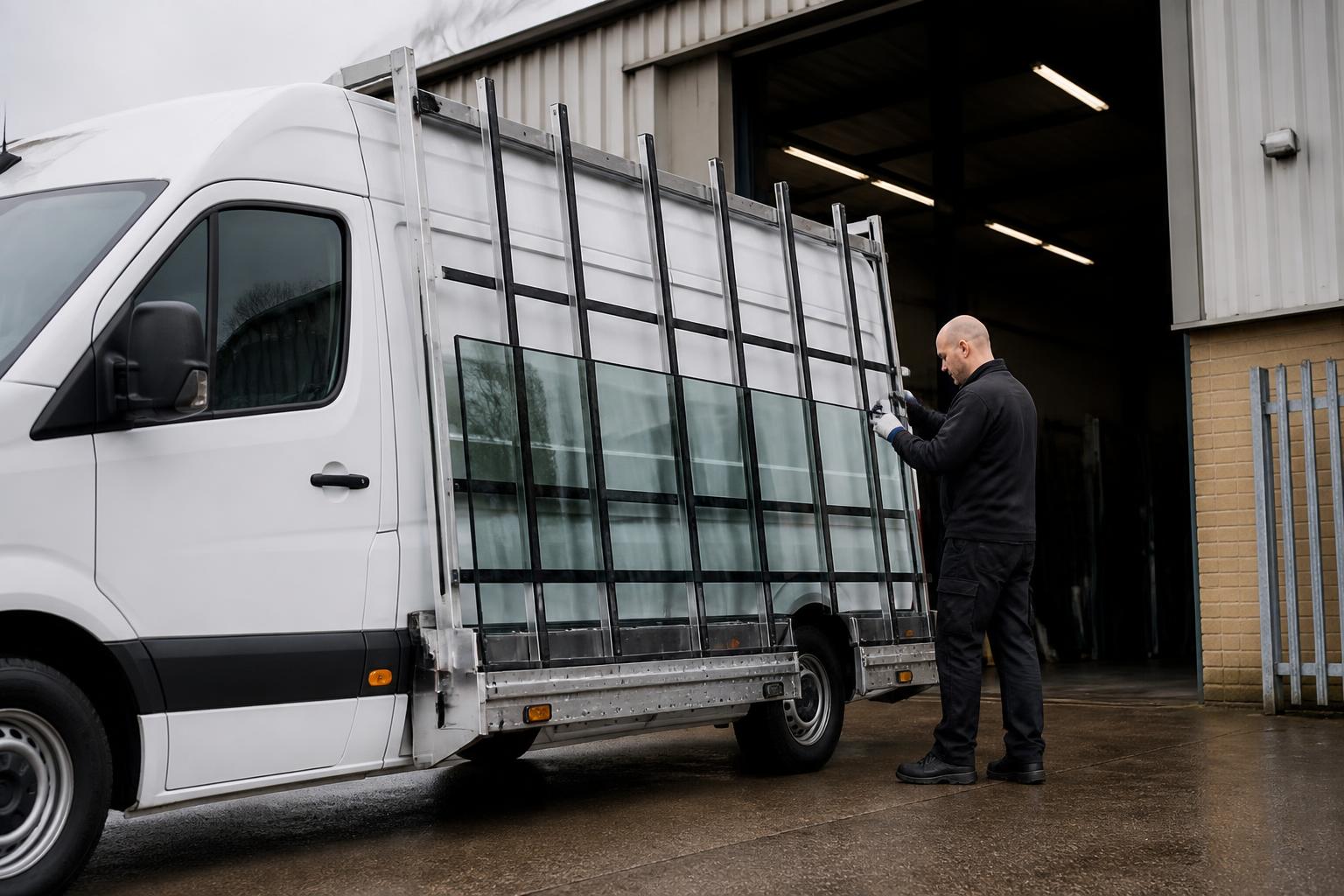
- Glass on A-frames and racks covered in transit
- Products liability for sealed units and frames you make
Reviewed October 2026 by the MyBusinessComparison.com editorial team
What is glaziers insurance?
Glaziers insurance is cover designed for businesses that cut, fabricate, supply and install glass and glazed products. A typical arrangement joins public and products liability, employers' liability, glass in transit, tools and workshop machinery, and contract works, so a glazing firm's site, road and factory risks sit together.
Glass changes the shape of the claims. Staff injuries from handling and breakage are more common than in most trades, panes can fall from height onto people below, and a frame removed without proper support can leave brickwork above an opening sagging. Firms that make their own sealed units or toughened glass also carry products risk for every unit that leaves the workshop.
The same cover suits double glazing installers, leaded light and stained glass studios, and mastic sealant contractors who finish windows and joints inside buildings. Insurers will ask how much you fabricate versus fit, the maximum height you work at, whether you offer emergency glazing and boarding up, and how much curtain wall or structural glazing you install.
Glaziers insurance at a glance
- Suits
- Glazing companies with fitters, vans, a workshop and commercial or domestic contracts
- Core covers
- Public and products liability, employers' liability, transit, tools and contract works
- Compulsory part
- Employers' liability, for fitting teams and workshop staff
- Trade specific
- Glass handling injuries, falling glass, breakage in transit, unit failure
- Insurers ask about
- Working heights, fabrication, curtain walling and emergency call-outs
- Usually separate
- Vans and lorries, on a fleet policy
What does glaziers insurance cover?
These are the sections glazing companies usually combine. Each has its own limit or sum insured, and some carry conditions on working heights and how glass is secured on vehicles.
Public liability
Injury or damage caused while fitting, such as a pane slipping from a lifter onto a parked car, or a passer-by hurt by glass falling from a shopfront you were replacing.
Read more about public liability insurance
Products liability
Claims arising from glass and frames you make or supply, for example a door panel that should have been safety glass breaking and injuring a child, or a faulty unit sold to another installer.
Read more about products liability cover
Employers' liability
Cuts, crush injuries and back injuries to fitters and workshop staff, a familiar source of glazing claims, plus falls from ladders and access platforms.
Read more about employers' liability insurance
Glass in transit
Panes and units carried on A-frames, internal racks and lorries, insured against breakage and theft. Many standard transit policies exclude breakage of glass, so this needs to be agreed.
Read more about goods in transit insurance
Workshop machinery
Cutting tables, edging machines, sealed unit lines, uPVC and aluminium fabrication saws and toughening furnaces, covered for damage and sudden breakdown.
Read more about business equipment and machinery insurance
Lifting equipment
Vacuum lifters, glazing robots and cranes need periodic thorough examination, which an inspection policy can arrange alongside breakdown cover.
Read more about engineering inspection insurance
Contract works
Glazing installed but not yet handed over, and materials on site, against breakage, vandalism and storm damage. Shopfronts and curtain walls are often broken by other trades before completion.
Read more about contractors' all risks cover
Leaded lights and stained glass
Studio stock, customers' panels taken away for restoration and fragile glass carried between sites, plus liability for work in churches and listed buildings where repair costs run high.
Read more about cover for studio contents
Premises and glass stock
Your factory or workshop, racks of float glass, profiles and finished units awaiting delivery, with stock values that change through the year.
Read more about commercial property insurance
Other cover glazing firms consider
- Professional indemnity: for curtain wall design, structural glass calculations and specifying fire-rated or safety glazing
- Business interruption: lost profit if a fire in your fabrication workshop stops production
- Commercial legal expenses: disputes with homeowners over installations, and with main contractors over retentions
- Trade credit insurance: unpaid invoices if a trade customer buying your sealed units fails
Which glazing businesses is this for?
The glazing trade spans factories, fitting teams and emergency services, and insurers rate each differently. These are the businesses we arrange glaziers insurance for.
Work beyond glazing? Firms that fit out whole shop interiors can see shop fitters insurance, or browse cover for other trades.
- Commercial glazing contractors: shopfronts, entrance screens, partitions and windows on commercial projects for a main contractor
- Curtain wall and structural glazing firms: large glazed facades and glass balustrades, with height, design and collateral warranty demands
- Double glazing installers: replacement double glazed windows and doors for homeowners, landlords and housing providers; conservatory builds are covered on conservatory installers insurance
- Leaded light and stained glass fitters: making, restoring and fitting leaded lights and stained glass panels in homes, churches and listed buildings, often from scaffold and with high value panels in the studio
- Mastic sealant contractors: internal mastic and silicone sealing around windows, doors, kitchens, bathrooms and movement joints, working alongside glazing and fit-out trades
- Sealed unit and window manufacturers: factories making insulated units, uPVC, aluminium or timber frames for their own teams and trade customers
- Glass processors and toughening plants: cutting, edging, toughening and laminating glass, with heavy machinery and furnaces
- Emergency glazing and boarding up firms: round the clock call-outs for broken windows, often for insurers, landlords and facilities managers
- Glass merchants with trade counters: selling cut glass, mirrors and units to the public and trade alongside fitting work
- Shopfront and fit-out glaziers: glazing packages within wider retail and restaurant fit-outs
How much does glaziers insurance cost?
Each glazing firm is priced on its own mix of fabrication and fitting. These factors usually have most effect.
Fitting heights
Ground floor domestic work is rated very differently from curtain walling on multi-storey buildings, so the maximum height you work at matters.
Fabrication and products
Making sealed units, toughened glass or frames for others adds products liability, and insurers want to know your quality checks and who you sell to.
Wage roll
Employers' liability is rated on wages for fitters and workshop staff. Insurers ask about glass handling training, gloves, sleeves and lifting aids.
Transit values and racking
The value of glass on each vehicle, how it is secured and whether breakage is to be covered all shape the transit premium.
Workshop and machinery
Furnaces, sealed unit lines and the building they sit in drive the property and breakdown sections.
Claims history
Hand and arm injuries, transit breakage and glass falling onto the public are looked at closely, along with what was improved.
What glaziers insurance usually excludes
These exclusions come up most often in glazing claims. Check how your policy handles each one.
- Breakage of glass being fitted or handled, unless contract works or the transit section covers it
- Misting and failure of sealed units that you must replace under your own workmanship promise
- Work above the declared height, or curtain walling not disclosed to the insurer
- Design or calculation errors on structural glazing, unless professional indemnity is in place
- Glass carried on racks that do not meet the policy's securing conditions
- Deposit protection and insurance-backed workmanship warranties for homeowners, which are arranged through separate schemes rather than your liability policy
- Vehicles on the road, which need commercial vehicle insurance
Glazing fabricators or installers: what changes?
Many glazing companies make and fit, but insurers look at the two activities separately. This is how cover differs.
| Feature | Fabricate and install | Install only |
|---|---|---|
| Products liability | Significant, especially for units sold to other installers | Lower, mainly for products you supply and fit |
| Machinery and breakdown | Needed for cutting, edging, toughening and unit lines | Usually limited to tools and lifters |
| Stock and premises | Factory, glass racks and finished goods | Smaller store or yard |
| Transit exposure | Deliveries to own sites and trade customers | Glass carried to own sites |
| Main claim drivers | Workshop injuries and product failure | Site injuries and damage during fitting |
How to get glaziers insurance quotes
Insurers price glazing on detail. Give them a clear picture and fewer exclusions are added at the end.
Split turnover by activity
Show fabrication, supply only, domestic fitting, commercial glazing, curtain walling and emergency work separately.
State your heights
Give the maximum height you work at and the access you use, such as scaffold, access platforms or cradles.
List vehicles and racking
Record how many vehicles carry glass, the type of rack and the maximum value carried on each.
Describe the workshop
Machinery, furnaces, building construction, fire protection and the value of stock held.
Check your contracts
Pull out liability limits, collateral warranty requests and any design responsibility in your commercial contracts.
Speak to a glazing specialist
Say what your firm fabricates, fits and carries on its racks, and a broker experienced in glazing will gather terms.
Get a quoteGlaziers insurance FAQs
How much does glaziers insurance cost?
Every glazing firm is priced on its own facts. Insurers look at your mix of fabrication and fitting, maximum working height, wage roll, turnover, glass carried in transit, workshop machinery and claims history, and height and fabrication usually move the figure most.
Is glass broken in transit covered?
Only if the policy says so. Many goods in transit policies exclude breakage of glass unless it is specifically agreed. Glazing firms usually need a transit section that includes breakage, with conditions about how glass is secured on racks and A-frames.
Are we covered if glass falls and injures someone below?
Public liability covers injury to members of the public and damage to their property if your work caused it. Insurers will expect exclusion zones, secure lifting and declared working heights, and may decline claims from work above the height you declared.
Does glaziers insurance cover sealed units that mist up?
Usually not. Replacing failed units is treated as a product or workmanship issue that the firm carries itself. Products liability covers injury or damage a faulty unit causes, not the cost of replacing the unit.
Do we need products liability if we only fit windows?
Yes, in most cases. Even installers who buy frames and glass from a fabricator can face claims for products they supplied and fitted. If you make units or sell glass to others, the products risk is larger and needs to be declared.
Can emergency glazing and boarding up be covered?
Yes, but declare it. Out of hours call-outs mean working at night, often in damaged or insecure buildings, sometimes holding keys or alarm codes. Insurers will ask about lone working, vehicles and how you secure the property before leaving.
What if removing old windows damages the structure above?
Damage to the building caused by your negligence, such as brickwork dropping where an old frame was carrying load, is generally a liability claim. Insurers will look at whether you checked for lintels and supported the opening, so good records matter.
Do vacuum lifters and glazing robots need inspecting?
Lifting equipment usually needs regular thorough examination by a competent person. An engineering inspection policy can arrange the examinations and provide breakdown cover, and insurers may ask to see reports when they assess your risk.
Does glaziers insurance cover double glazing installers and mastic sealant contractors?
Yes. Double glazing installers usually buy the same liability, transit and contract works sections as other glaziers. Mastic sealant contractors working inside buildings need public and employers' liability, with insurers asking about access equipment, solvents and any fire-stopping work. Conservatory builds sit on a separate conservatory installers page.
How do I get a glaziers insurance quote?
Request a callback from this page and a broker familiar with glazing will take you through it. Turnover split, maximum heights, staff numbers, vehicles and racking, workshop details and past claims are what insurers will want to see.
Compare glaziers insurance today
Liability, transit, machinery and contract works for glazing companies, arranged by a broker who understands glass on the road, in the workshop and at height.