Retail and Shop Insurance for retail chains and stores
Insurance for retailers with staff, stock and customers on site, from a group of high street stores to a regional chain. Compare cover through specialist brokers who arrange retail policies across many locations.
- Every store on one schedule and one renewal
- Stock, glass, money and lost trading covered
- Public, products and employers' liability included
Reviewed October 2026 by the MyBusinessComparison.com editorial team
What is retail and shop insurance?
Retail and shop insurance is a package policy for firms that sell to the public from premises. It typically covers stock, shop fittings and glass, money on site, the trading income lost after damage, and liability to customers, staff and anyone harmed by the products sold. Multi-site retailers usually insure every store on one schedule.
Smaller retailers often start on a packaged shop policy with fixed sections. As the estate grows, many move to a retail commercial combined policy, where each store has its own values but liability, money and interruption are written across the group and new stores can be added during the year.
Shop insurance does not pay for everything that leaves the shelves. Most policies cover theft only after forcible entry or exit, so everyday shoplifting remains a trading cost managed through security and stock control rather than insurance.
Shop insurance at a glance
- Typical buyers
- Independent groups, regional chains, franchisees and multi-store retailers
- Core sections
- Stock, contents, glass, money, business interruption and liability
- Compulsory part
- Employers' liability, where you have staff
- Theft cover
- Usually needs forcible entry or exit; shoplifting is rarely included
- Multi-site option
- One schedule listing each store, often with automatic cover for new sites
- Often added
- Cyber, goods in transit, crime and legal expenses
What does retail and shop insurance cover?
Retail programmes are made up of the sections below. A broker matches them to your store format, your stock and the obligations in each lease.
Stock and shop contents
Goods for sale, fixtures, shop fittings, tills and stockroom equipment against fire, flood, storm, theft after a break-in and accidental damage. Seasonal increases cover the run-up to Christmas and other peaks.
Read more about commercial combined cover
Buildings and shop fronts
Buildings you own, or the parts a lease makes you responsible for, including shop fronts, shutters and signs. Glass breakage cover is often a lease requirement.
Read more about commercial property insurance
Loss of trading income
Lost gross profit after insured damage, with extensions for denial of access when a cordon or nearby damage closes the street, and loss of attraction when damage to an anchor store or nearby attraction cuts footfall.
Read more about business interruption cover
Public liability
Slips, trips, falling stock, trolley and door accidents involving customers. Claims are frequent in retail, so the way you record and respond to incidents affects your terms.
Read more about public liability insurance
Products liability
Claims caused by goods you sell. Retailers are most exposed on own-brand and imported lines, or where the original supplier cannot be identified.
Read more about products liability insurance
Employers' liability
Injury to staff from manual handling, ladders, cutting equipment and violence at work. Most retailers with employees are required to hold it.
Read more about employers' liability insurance
Money
Cash in tills, safes and night safes, and takings on the way to the bank. Limits depend on the safe rating and on whether cash is held during or outside trading hours.
Crime and staff dishonesty
Theft of stock and cash by employees, and payment fraud, neither of which a standard theft section usually picks up.
Read more about crime and fidelity insurance
Cyber
Card data breaches, ransomware that takes tills offline and attacks on online shops, including the cost of restoring systems and lost sales.
Read more about cyber insurance
Other covers retailers add
- Goods in transit: stock moving between a distribution centre and stores, or out to customers' homes
- Fleet insurance: delivery vans and area managers' cars on one policy
- Legal expenses: employment tribunals, lease disputes and consumer claims
- Terrorism cover: stores in city centres and shopping centres, where landlords often ask for it
- Management liability: claims against directors and employment practices claims
Which retailers do we arrange cover for?
Store format and stock type shape a retail policy more than turnover does. These are the retailers brokers place most often.
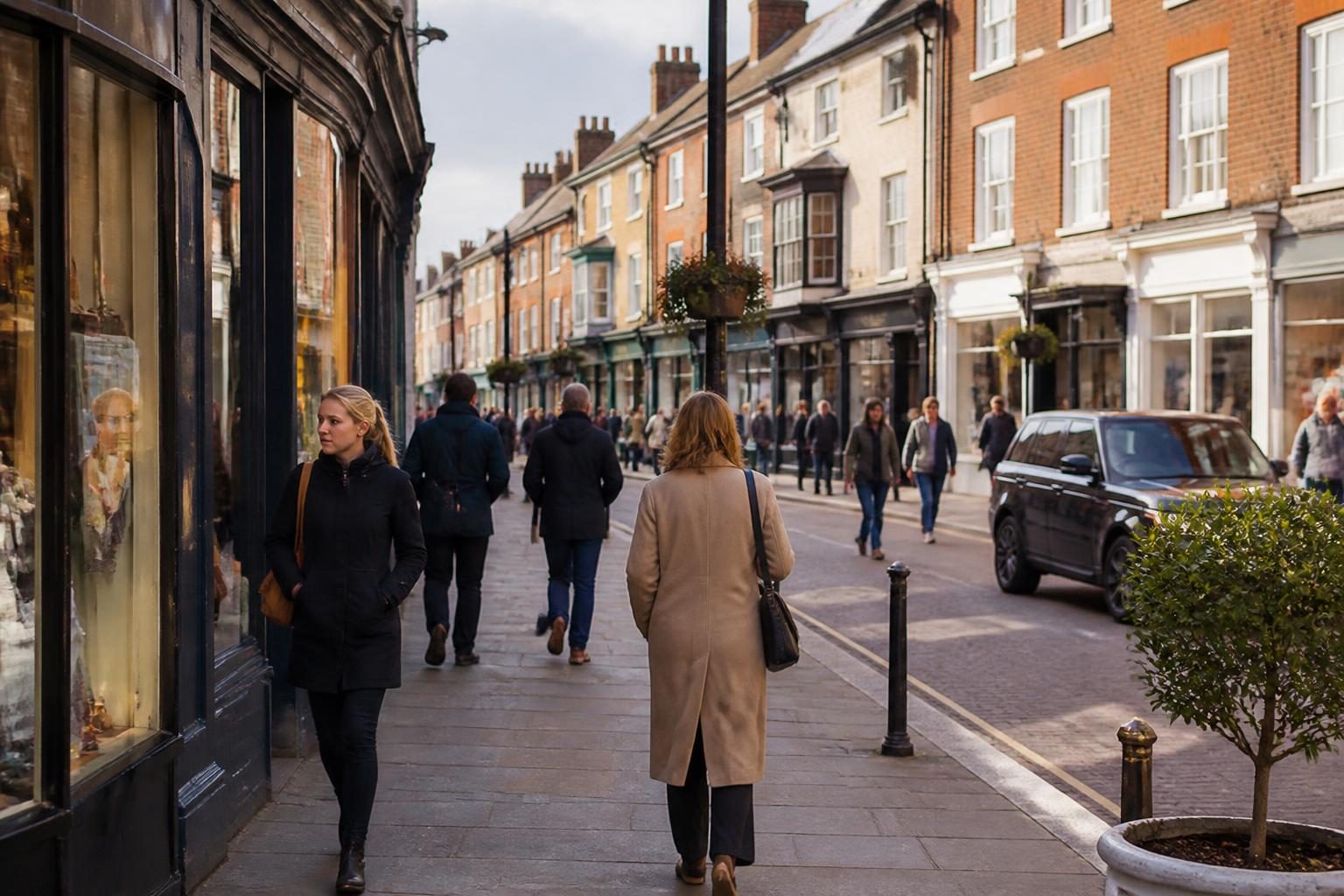
Own the building as well? Retailers who own their premises or let the floors above may need mixed use property insurance. See also insurance by industry.
- Fashion and footwear chains: seasonal stock peaks and branded goods that attract organised theft
- Convenience stores and grocers: long opening hours, refrigerated stock and cash on site
- Off-licences and wine merchants: alcohol stock with security conditions set by the insurer
- Jewellers and watch retailers: very high value stock that usually needs a specialist jewellers' policy
- Electrical and mobile phone shops: compact, high value stock and repairs to customers' devices
- Furniture and homeware stores: large showrooms, home delivery and assembly in customers' homes
- DIY, hardware and garden centres: outdoor stock, plants, chemicals and customers loading vehicles
- Butchers, bakers and delis: food hygiene, allergen and refrigeration risks alongside the shop cover
- Pharmacies and health stores: dispensing risks that need specialist cover, see healthcare business insurance
- Department and variety stores: heavy footfall, concessions and stock from many suppliers
- Franchise groups: several stores under one brand, often with franchisor insurance requirements
- Cycle shops: stock, workshops and liability for bikes serviced on site
- Dry cleaners and launderettes: customers' garments and solvent use alongside the shop cover
- Retailers with online stores: click and collect, home delivery and cyber exposure from web sales
How much does retail and shop insurance cost?
Retail premiums are built store by store, then adjusted for the group's liability and claims record. These are the factors that move them most.
Stock type and value
Electronics, alcohol, tobacco, jewellery and designer clothing attract thieves and carry higher theft rates and tighter security terms.
Store locations
Flood exposure, local crime, shopping centre or high street setting, and any history of riot or disorder in the area.
Security at each store
Alarms with police response, shutters, CCTV, safes and how high value stock is held out of hours.
Footfall and turnover
Public liability is usually rated on turnover, and the number of customers through the door shapes slip and trip exposure.
Building and lease terms
Older buildings, flats above and leases that make you insure the structure or glass all add to the property section.
Claims history
Frequency matters as much as size in retail. A pattern of small liability or theft claims will be explored by underwriters.
What shop insurance usually leaves out
Retailers are often surprised by these gaps, so check each one against your schedule.
- Shoplifting and any theft without forcible entry or exit
- Stock shortages found at a stocktake with no identifiable cause
- Cash above the limit for your safe, or left outside the safe overnight
- Spoiled chilled or frozen stock, unless the policy includes deterioration cover
- Stores left empty beyond the period allowed, which may need unoccupied property cover
- Damage to goods on the way to customers, unless transit cover is in place
- Data breaches and online fraud, unless a cyber section has been added
Shop policy or retail combined policy?
Packaged shop policies suit a store or two. Growing retailers usually move to a combined policy written for the whole estate.
| Feature | Packaged shop policy | Retail combined policy |
|---|---|---|
| Built for | Single stores or small groups with standard stock | Multi-site retailers and chains |
| Sections | Fixed package with set limits | Each section chosen and sized for the business |
| New stores | Usually added one at a time | Often covered automatically for a period, then declared |
| Liability | Standard limits for each store | One limit across the estate, set to suit landlords and suppliers |
| Stock limits | A set figure for each shop | Values per store with room to move stock between sites |
| Underwriting | Short question set | Broker presentation, with surveys for larger stores |
How to arrange retail insurance for several stores
A clear schedule of stores and values makes retail cover simpler to place and easier to keep accurate.
List every store and stockroom
Addresses, floor areas, opening hours, flats above, lease obligations and any distribution centre.
Set values for each site
Stock at normal and peak levels, fixtures and fittings, shop fronts and gross profit for the group.
Record security and protection
Alarm type and response, shutters, safes, CCTV and fire detection, store by store.
Gather claims and incident records
Theft, liability and damage claims with what changed afterwards, and how customer accidents are logged.
Check limits against your leases
Landlords and shopping centres often set liability limits and require glass and terrorism cover.
Talk to a retail specialist
List your stores and stock and a specialist retail broker will compare cover for you.
Get a quoteRetail and shop insurance FAQs
How much does shop insurance cost for a retail chain?
It depends on stock type and value at each store, locations, security, turnover, footfall, lease obligations and claims history. Property cover for each store is priced on its own, with liability rated across the group. A broker can show which stores drive the premium.
Does shop insurance cover shoplifting?
Usually not. Most theft sections pay only where thieves force their way into or out of the premises, so goods taken by customers during opening hours stay uninsured. Many policies also respond to theft involving actual or threatened violence, but security and stock control remain the main defences.
Can all my stores be on one policy?
Yes. A retail combined policy can list every store with its own stock, contents and glass values, while public, products and employers' liability are written once for the business. Many policies also cover newly opened stores automatically for a period.
What happens if a police cordon closes my store?
Standard interruption cover needs damage at your own premises. A denial of access extension can pay for lost gross profit when nearby damage or an emergency cordon stops customers reaching you, subject to the limits and conditions in the policy.
Do I need products liability if I only sell other people's goods?
Usually, yes. Retailers can face claims for goods they sell, especially own-brand and imported products or where the original supplier cannot be traced. Most retail policies include products liability alongside public liability.
Who insures the building if I lease my shop?
It depends on the lease. Often the landlord insures the structure and recharges the premium, while you insure stock, fittings, glass and any improvements you have paid for. Some leases pass full repairing and insuring obligations to the tenant.
Is cyber cover worth having for a retailer?
For many retailers it is. Card payment systems, loyalty data and online stores are all targets, and a ransomware attack can stop every till in the chain. Property sections rarely respond to these losses, so a cyber policy fills the gap.
Are seasonal stock increases included?
Many retail policies raise stock cover automatically for set periods, such as the weeks before Christmas, and others let you request a temporary increase. The dates and amounts are worth checking, as stock above the sum insured can reduce a claim.
How do I get a shop insurance quote?
Start the request on this page and a broker who handles retail estates will take it on. A store list with stock and contents values, turnover, security at each site, lease insurance clauses and recent claims gives them enough to approach insurers.
Ready to compare retail and shop insurance?
Cover for every store, its stock and its customers, arranged by a broker who works with multi-site retailers.