Surveyors Insurance for surveying practices
Surveyors insurance for building surveying, architectural surveying and acoustic consultancy practices with surveyors in the field, an office team and professional clients. Compare professional indemnity alongside the liability, equipment and office cover a practice runs on.
- Professional indemnity for surveys, reports, drawings and advice
- Liability for site visits, intrusive inspections and sound testing
- Survey equipment, office contents and staff on one programme
Reviewed October 2026 by the MyBusinessComparison.com editorial team
What is surveyors insurance?
Surveyors insurance is a set of covers for surveying practices, led by professional indemnity for claims that a survey, report, drawing or piece of advice was wrong and cost the client money. Most practices add public and employers' liability, cover for survey equipment and office contents, and often cyber and legal expenses.
Professional indemnity is where the serious claims come from: a missed defect in a building survey, a measured survey that puts a wall in the wrong place, or an acoustic report that leads to flats failing their sound tests. The other covers deal with the physical side of the work, such as an injury on site or damage caused during an intrusive inspection.
For professional indemnity across other sectors, see our general professional indemnity insurance page.
Surveyors insurance at a glance
- Suits
- Building surveying, architectural surveying and acoustic consultancy practices with staff
- Lead cover
- Professional indemnity, written on a claims made basis
- Compulsory part
- Employers' liability for practices with employees
- Often required
- Minimum professional indemnity terms set by professional bodies such as RICS
- Priced on
- Fee income, the mix of services, client types, claims history and limit of indemnity
- Usually added
- Public liability, equipment, office contents, cyber and legal expenses
What does surveyors insurance cover?
A surveying practice usually builds its programme around professional indemnity, then adds the sections below for the office, the field team and the equipment they carry.
Professional indemnity
Claims that negligent surveys, reports, drawings, specifications or advice caused a client financial loss, including the cost of defending the claim.
Read more about professional indemnity insurance
Public liability
Injury to occupants or damage to property during site visits, such as a ceiling damaged while lifting a loft hatch or a floor finish damaged by intrusive investigation.
Read more about public liability insurance
Employers' liability
Surveyors and office staff injured or made ill at work, including falls in roof spaces, on scaffolds and in derelict buildings.
Read more about employers' liability cover
Survey equipment
Laser scanners, total stations, drones, sound level meters, thermal cameras and moisture meters, at the office, in vehicles and on site.
Read more about business equipment insurance
Office and contents
Your office, furniture, IT and archived files against fire, flood and theft, with cover for lost income if the office cannot be used.
Read more about commercial combined insurance
Cyber and data
Hacked email accounts, ransomware and data breaches involving client reports, survey data and personal information about building occupants.
Read more about cyber insurance
Legal expenses
Fee disputes with clients, employment claims and contract disputes that fall outside the professional indemnity policy.
Read more about commercial legal expenses insurance
Run-off cover
Professional indemnity after a practice closes, merges or a partner retires, so claims about past work still have a policy to respond.
Other cover surveying practices consider
- Management liability: claims against directors and the company from staff, regulators or shareholders
- Crime and fidelity insurance: fraud by staff and payment diversion scams on client funds
- Group personal accident and business travel: surveyors injured on site or travelling for work
- Key person insurance: loss of a senior surveyor or partner who brings in the work
Which practices is surveyors insurance for?
It suits established practices whose income comes from surveying, measuring, testing and advising on buildings. Common types of practice include:
Also building on site? Practices that also work as contractors on site should see construction company insurance. For other professional firms see office and professional business insurance.
- Building surveyors: condition surveys, defect diagnosis, dilapidations, party wall work and contract administration for owners and landlords
- Architectural surveying practices: measured building surveys, floor plans, elevations and drawings used for planning and design
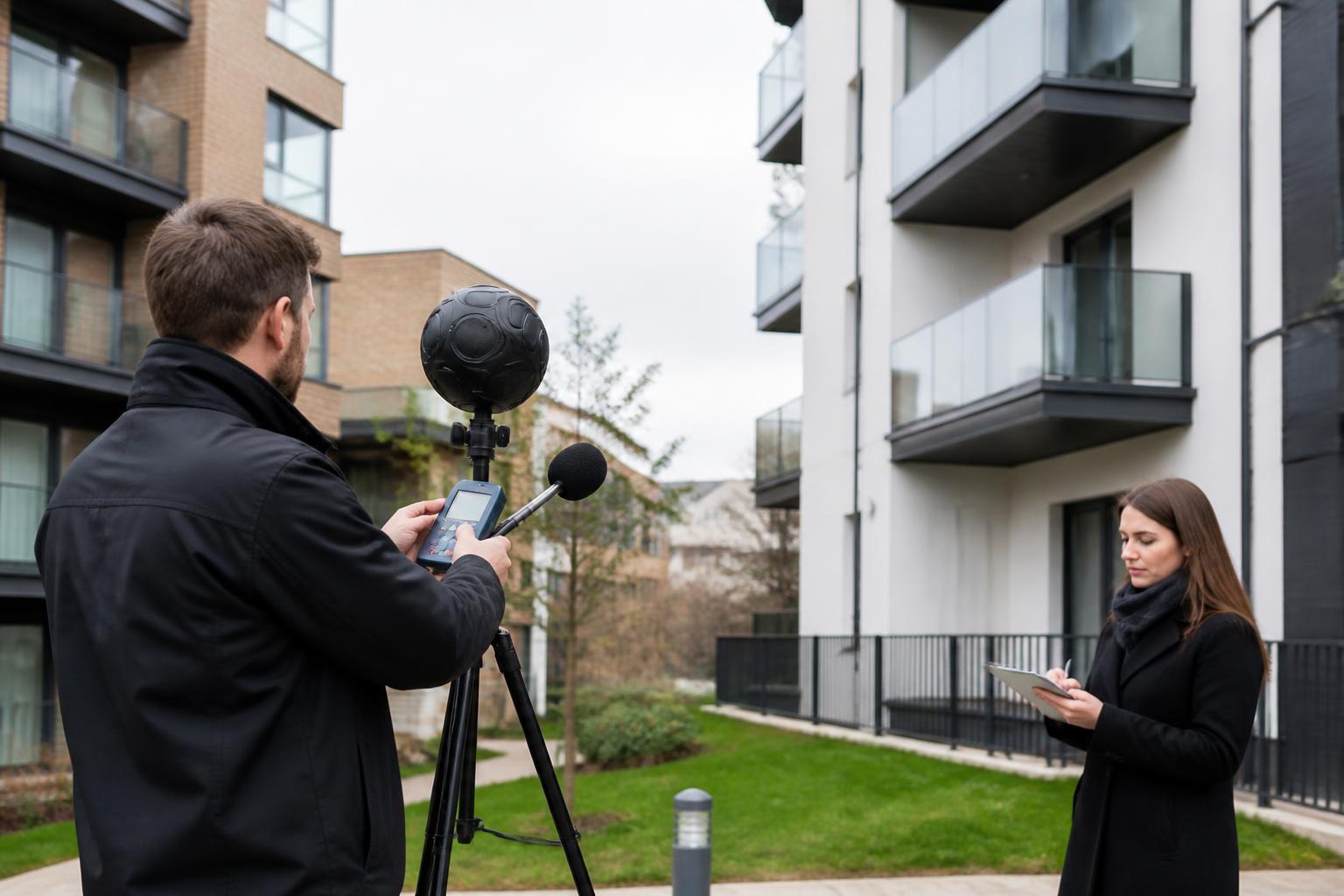
- Acoustic engineering consultancies: noise assessments, sound insulation testing and acoustic design for housing, offices and venues
- Residential surveying firms: homebuyer and condition reports for private buyers, which insurers look at closely
- Project monitoring surveyors: reporting to lenders and investors on development progress and cost
- Quantity surveyors and cost consultants: cost plans, valuations of work and final accounts for clients and contractors
- Measured survey and laser scanning firms: point cloud, topographic and utility surveys for architects, engineers and infrastructure clients
- Surveyors advising on heritage buildings: condition and repair advice for owners of listed buildings
- Surveyors working for landlords: planned maintenance and stock condition surveys for commercial landlords and housing providers
How much does surveyors insurance cost?
Professional indemnity drives most of the premium, so underwriters spend their time on what you do and who you do it for. These are the factors that count.
Fee income
Professional indemnity is mostly rated on gross fees, usually split between the services you offer.
Service mix
Lender valuations and residential surveys are often rated more heavily than measured surveys or acoustic testing, and some insurers restrict valuation work.
Limit of indemnity
Higher limits cost more, and an aggregate limit is priced differently from one that resets for every claim.
Clients and contracts
Work for developers, lenders or public bodies, and contracts with onerous terms or collateral warranties, add to the risk.
Claims and notifications
Past claims and circumstances you have notified carry weight, as do the steps taken since to stop them recurring.
Risk management
Terms of engagement, file reviews, peer checking of reports and qualified staff all help an underwriter take a positive view.
What surveyors insurance does not cover
Professional indemnity has its own set of exclusions, and these are the ones surveying practices meet most.
- Claims about work done before the retroactive date on the policy
- Circumstances you knew about but did not notify to a previous insurer
- Extra duties accepted in an appointment, such as a fitness for purpose obligation, that go further than normal professional care
- Services you did not declare, such as valuation work, principal designer duties or project management
- Bodily injury and property damage, which fall under public or employers' liability instead
- Fines and penalties imposed on the practice or its staff
- Contract works on site where your firm also acts as the builder, which needs builders insurance
Claims made or occurrence: why surveyors' cover works differently
A surveying practice usually holds policies triggered in two different ways. It matters most when you change insurer, close the practice or retire.
| Feature | Professional indemnity (claims made) | Public and employers' liability (occurrence) |
|---|---|---|
| What triggers cover | The claim being made against you during the policy period | The injury or damage happening during the policy period |
| Which policy responds | The one in force when the claim arrives, even for old work | The one in force when the incident happened |
| When you change insurer | Keep continuous cover and the retroactive date | Old incidents stay with the old insurer |
| When you stop trading | Run-off cover is needed for future claims | No further cover needed for past incidents |
| Main concern | Notifying circumstances promptly | Keeping records of past policies |
How to compare surveyors insurance
A professional indemnity proposal form asks for a lot of detail. Having it ready makes the process quicker.
Break down your fees
Split fee income by service: building surveys, measured surveys, acoustic work, valuations and project roles.
Describe your clients
Show the mix of homeowners, landlords, developers, lenders, public bodies and contractors.
Collect your documents
Have your terms of engagement, sample reports and any professional body requirements to hand.
List claims and circumstances
Give details of past claims and anything notified, with the outcome and changes made since.
Value equipment and premises
Note the replacement value of survey equipment and office contents, and your wage roll for the liability sections.
Quotes for surveying practices
Tell us about your practice, fee income and the services you offer, and a broker who arranges cover for surveyors will compare options.
Compare quotesSurveyors insurance FAQs
How much does surveyors insurance cost?
The premium is mostly driven by professional indemnity, which is priced on fee income, the services you offer, the limit chosen and your claims record. A practice doing lender valuations is usually rated differently from one doing measured surveys or acoustic testing.
Do surveyors have to hold professional indemnity?
Members of professional bodies usually must. Firms registered with RICS, for example, have to hold professional indemnity that meets its minimum terms, from insurers that meet its requirements. Many clients and lenders also make it a condition of appointment.
Does surveyors insurance cover acoustic engineering and sound testing?
It can. Acoustic engineering consultancies are covered in the same way as other surveying work, but the services must be declared. Insurers ask about sound insulation testing, noise assessments and acoustic design, because failed tests can lead to costly remedial works on new buildings.
Does it cover architectural surveying and measured surveys?
Yes. Architectural surveying, measured building surveys and drawings are covered under professional indemnity when declared. Errors in dimensions or levels can lead to design changes or rework on site, so insurers like to see checking procedures and clear survey limitations.
What happens to my cover if I retire or close the practice?
Because professional indemnity is claims made, you need run-off cover after you stop trading so that claims about past work still have a policy to respond. Some professional bodies set minimum run-off requirements, so check them before closing.
What is a retroactive date?
It is the date from which past work is covered. Claims about work done before it are excluded. Keeping the same retroactive date when you change insurer avoids leaving older work uninsured, so it is worth checking at every renewal.
Is damage during an intrusive survey covered?
Accidental damage to a client's property during a site visit, such as lifting floorboards or opening up a wall, usually falls under public liability. Damage that was part of the agreed investigation, or making good afterwards, may not be covered.
Should the limit apply to each claim or in total?
Each and every claim limits reset for every claim, while aggregate limits cap the total for the year. Professional bodies and clients often specify which they need, and the choice changes the premium, so it is a question for the broker.
How do I get a surveyors insurance quote?
Share a brief outline of your practice through the enquiry form. A broker who works with surveyors will then go through your fee split, services, clients and claims history, and approach insurers that write professional indemnity for surveying firms.
Ready to compare surveyors insurance?
Professional indemnity first, with liability, equipment and office cover arranged around the way your practice works.