Commercial Vehicle Insurance for working fleets
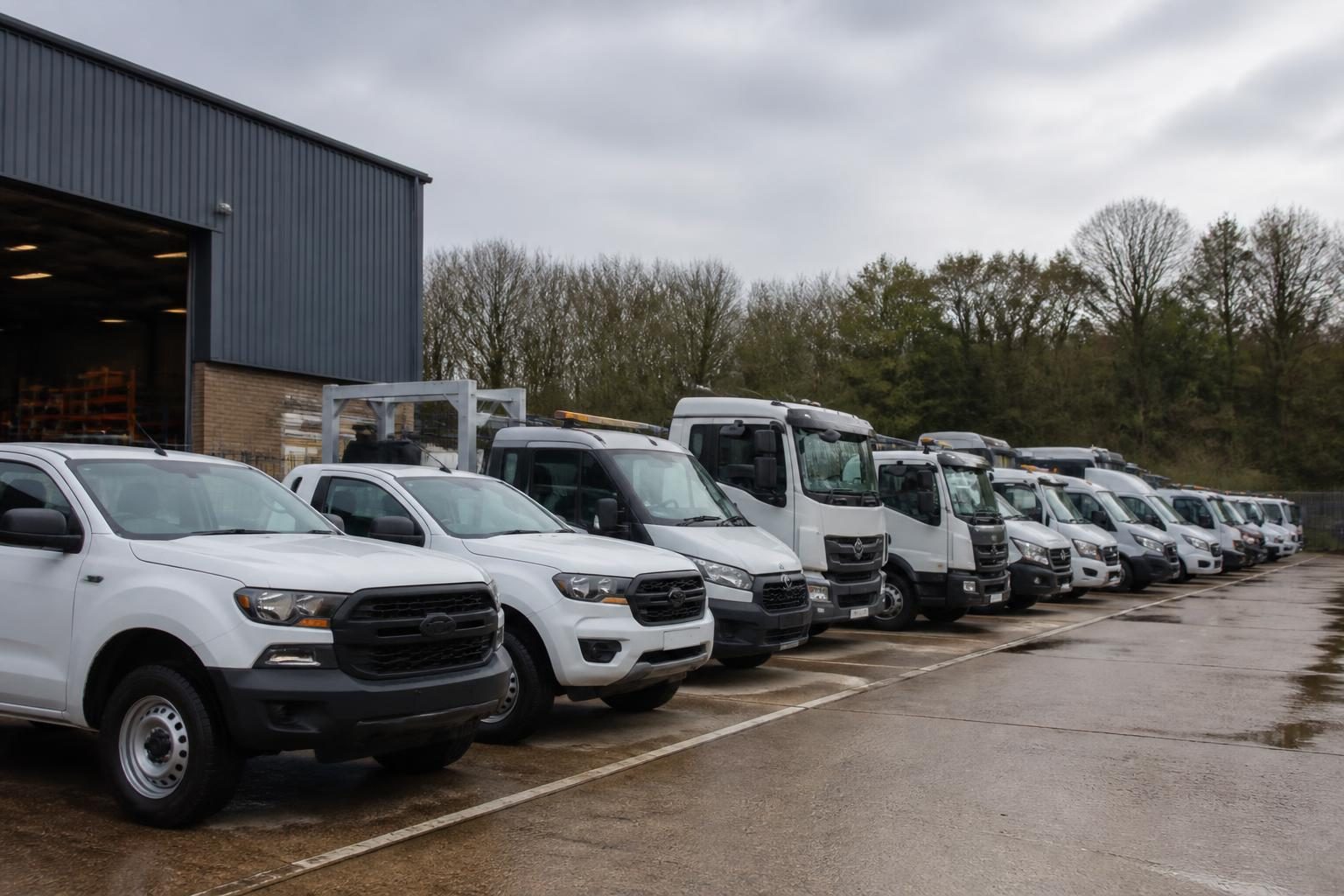
Motor cover for the vans, pick ups, tippers and converted vehicles your teams work from every day. Specialist brokers match the policy to how each vehicle is built, loaded and used.
- Vans, dropsides, tippers and specialist bodies
- Conversions, racking and fitted equipment declared properly
- Class of use matched to the work you do
Reviewed October 2026 by the MyBusinessComparison.com editorial team
What is commercial vehicle insurance?
Commercial vehicle insurance is motor cover for vehicles built or adapted for work, such as vans, pick ups, tippers, dropsides, refrigerated vans and vehicles with cranes or tail lifts. It covers liability to others on the road and, if chosen, damage to or theft of the vehicle, on terms set by what the vehicle carries and why.
The detail that matters most is the class of use. Carrying your own tools, materials and products is rated differently from carrying other people's goods for payment, and a vehicle used outside its class may not be covered. Modifications, fitted equipment and signwriting all need declaring too.
Firms running several working vehicles usually place them on one fleet policy. The questions below still apply to every vehicle on that schedule.
Commercial vehicle insurance at a glance
- Vehicles
- Vans, pick ups, tippers, dropsides, Lutons and specialist bodies
- Compulsory part
- Third party liability for any vehicle used on the road
- Key detail
- Class of use: own goods, or other people's goods for payment
- Must declare
- Conversions, racking, cranes, tail lifts and other fitted kit
- Heavier vehicles
- Goods vehicles over three and a half tonnes are usually rated as HGVs
- Several vehicles
- Usually grouped on a fleet schedule with one renewal
What does commercial vehicle insurance cover?
Cover starts with liability on the road and builds up from there. These are the sections and extensions that matter most for vehicles that double as a workplace.
Road traffic liability
Injury to other road users and passengers, and damage to their vehicles and property, caused while your vehicle is being driven or parked on the road.
Damage to the vehicle
Repair or replacement after an accident, fire, theft or malicious damage, based on the value of the vehicle including its body and permanent fittings.
Conversions and fitted equipment
Racking, shelving, tail lifts, tipping gear, refrigeration units and welfare fit outs, provided they are declared and included in the vehicle value.
Loading and unloading
Liability for injury or damage while goods are loaded or unloaded at the roadside or a customer's premises. Operating a crane or lift as a machine is often treated differently.
Theft and security
Theft of the vehicle and damage from break ins. Most insurers set conditions on locks, immobilisers and where vehicles are kept overnight.
Tools and stock in the vehicle
A limited amount of cover for tools or goods is sometimes included. Higher values need a separate policy.
Read more about tools and equipment insurance
Replacement vehicle
A substitute van or hire costs while yours is off the road after an insured claim, so engineers and crews can keep working.
Breakdown and recovery
Roadside assistance and recovery for loaded vehicles, with some cover extending to taking the crew and load on to the destination.
Cover to arrange alongside the vehicles
- Goods in transit: materials, stock and customers' goods while loaded or on the move
- Public liability: injury or damage caused by work done from the vehicle, including fitted machinery in use
- Plant and machinery: towed plant, generators and equipment that travel on or behind the vehicles
- Legal expenses: recovering uninsured losses and defending drivers in motoring prosecutions
Which businesses need commercial vehicle insurance?
Any business where the vehicle is part of the job, not just transport to it. These are the operators whose vehicles insurers ask the most questions about.
Carrying goods for payment? Courier and haulage work is rated separately. See courier and delivery insurance or HGV and haulage cover.
- Building firms: tippers, dropsides and crew vans carrying materials and teams between sites
- Groundworks contractors: tippers and plant trailers working on and off live sites
- Skip hire operators: skip loaders with lifting gear that must be declared in full
- Glazing companies: vans with external glass racks and heavy loads at height
- Heating and gas engineers: racked vans carrying stock, cylinders and test equipment
- Electrical contractors: service vans with cable drums, tools and access equipment
- Food and drink distributors: refrigerated vans where breakdown can spoil the whole load
- Facilities and maintenance firms: mobile workshops and welfare vans spread across contracts
- Event and hire companies: Lutons and box vans moving staging, marquees and equipment
- Locksmith and security installers: vans holding keys, locks and customer information overnight
How much does commercial vehicle insurance cost?
Each vehicle is rated on what it is and what it does. For a group of vehicles, the business's own claims record then shapes the overall figure.
Vehicle type and weight
A large panel van, a tipper and a refrigerated box van present different repair costs and different risks to others.
Class of use
Carrying your own goods is usually rated lower than carrying others' goods for payment, which involves more mileage and more drops.
Modifications and fit out
Conversions raise the value at risk and can make repairs slower, so they need to be in the vehicle value.
Overnight location
Secure compounds and depots compare well with vans parked on the street outside drivers' homes.
Drivers and claims
Driver ages and experience, licence checks and the history of claims across all your vehicles.
Security fitted
Deadlocks, slam locks, tracking and alarms reduce theft risk, and some insurers make them a condition.
What commercial vehicle insurance does not cover
Commercial vehicle claims are often refused on use, modifications or security rather than on the accident itself.
- Carrying goods for payment when the policy only allows carriage of your own goods, which calls for hire and reward insurance
- Modifications, conversions or fitted equipment that were never declared to the insurer
- Theft from a vehicle left unlocked, or where security conditions such as overnight parking terms were not met
- Tools and stock above any small built in limit, which need equipment insurance or goods in transit cover
- Injury or damage caused by a crane, tipper or other fitted machinery working as a tool, which may need public liability cover
- Overloading beyond the vehicle's design limits where it contributed to the accident
- Mechanical failure, wear and tear, and tyres damaged by braking or punctures
Light commercial vehicle or heavy goods vehicle?
Weight changes almost everything about how a working vehicle is insured. This is where the line usually falls.
| Feature | Vans and light commercials | Heavy goods vehicles |
|---|---|---|
| Gross vehicle weight | Up to three and a half tonnes | Over three and a half tonnes |
| Driving licence | Most can be driven on a car licence | A lorry licence category, plus Driver CPC for professional drivers |
| Operator's licence | Not needed for UK work | Needed for most business use |
| Insurers | Mainstream commercial vehicle and fleet insurers | Specialist haulage and transport insurers |
| Insurer questions | Use, fit out, overnight parking and drivers | Loads, routes, maintenance and compliance records |
How to compare commercial vehicle insurance
The more precisely each vehicle is described, the fewer surprises at claim time.
List each vehicle in full
Make, model, gross weight, body type, value and registration, including leased and hired vehicles.
Record every modification
Racking, conversions, cranes, tail lifts, refrigeration and signwriting, with what each added to the cost.
Confirm how each vehicle is used
What it carries, whose goods they are, the areas covered and where it is kept overnight.
Gather driver and claims details
Driver ages, licence checks, and the claims history for every vehicle over recent years.
Check the gaps
Compare tools cover, fitted equipment terms, hire vehicle provision and security conditions alongside the price.
Ready to insure your vehicles?
Describe your vehicles, their fit out and what they carry, and a commercial motor broker will look for terms that match.
Get a quoteCommercial vehicle insurance FAQs
How much does commercial vehicle insurance cost?
Each vehicle is priced on its type and value, class of use, modifications, overnight location and drivers, with your claims history shaping the overall figure. A tipper used on sites is rated very differently from a racked engineer's van, so accurate descriptions matter.
What is the difference between carriage of own goods and hire and reward?
Carriage of own goods covers moving your own tools, materials and products. Hire and reward covers carrying other people's goods for payment, and our hire and reward insurance guide explains when a business crosses that line. Using a vehicle outside its class can leave a claim uncovered.
Do I need to tell the insurer about racking and signwriting?
Yes. Racking, conversions, tail lifts, cranes and signwriting all change the vehicle's value and risk, so insurers expect them declared. Undeclared modifications are a common reason for reduced or refused claims, and the vehicle value should include them.
Are tools left in our vans covered?
Usually only to a small limit, if at all. Theft of tools from vans is a frequent claim, so most firms with valuable kit buy separate tools and equipment cover and check the conditions on overnight storage and visible security.
Is a vehicle with a crane or tail lift covered while the equipment is working?
The motor policy covers the vehicle on the road, but injury or damage caused while the crane or lift is operating as a machine is often treated separately. Check whether your motor or public liability policy covers this, so there is no gap.
Are electric vans insured differently?
Often, yes. Repair costs, battery damage and parts supply can differ from diesel vans, and the extra battery weight can reduce payload, so insurers ask about values, charging at the depot or drivers' homes and who supplies the charge points. Check that cables and battery damage are covered.
Can we cover vans that staff take home overnight?
Yes, but insurers want to know. Vans kept at drivers' homes are rated on those locations, and many policies set conditions such as locking, removing tools or parking off the street where possible.
Can several commercial vehicles go on one policy?
Yes. Once a business runs several working vehicles, a fleet policy usually makes more sense than individual policies. It brings vehicles onto one renewal with one set of driver rules and claims handling.
How do I get a commercial vehicle insurance quote?
Begin with the quote button on this page; a broker who handles working vehicles will then call to go through each vehicle's specification, modifications, use and overnight location, along with your claims record, before presenting the risk to insurers.
Ready to compare commercial vehicle insurance?
Cover that reflects how your vans and working vehicles are built, loaded and used, arranged by a specialist broker.