Pest Control Insurance for pest control companies
Insurance for pest control companies with technicians, vans and contracts at food sites, housing, offices and farms. Compare cover for rodenticides, fumigation, bird proofing at height and the claims that follow a treatment that did not work.
- Liability for baits, insecticides and fumigants
- Treatment failure and contamination claims
- Technicians, equipment and pesticide stock covered
Reviewed October 2026 by the MyBusinessComparison.com editorial team
What is pest control insurance?
Pest control insurance is a package for firms that control rodents, insects and birds for commercial and domestic customers. Most policies pair public and products liability with employers' liability, add cover for equipment and pesticide stock, and include professional indemnity or treatment risk cover for claims that an infestation was not brought under control.
Most claims follow a familiar pattern: a dog or farm animal poisoned by bait, food thrown away after a missed infestation, damage left by bird netting or proofing, or a technician hurt at height or by a fumigant. Food manufacturers and retailers write strict terms into pest contracts and expect to see your insurance at audit.
Washroom and hygiene services sit with cleaning on our cleaning and facilities management insurance page.
Pest control insurance at a glance
- Suits
- Pest control companies with technicians, vans and service contracts
- Core covers
- Public, products and employers' liability, equipment and pesticide stock
- Trade specific
- Poisoned animals, food contamination and treatment failure
- Higher risk work
- Fumigation, bird control at height, firearms and falconry
- Often required by
- Food manufacturers, retailers, housing providers and councils
- Usually separate
- Technicians' vans, on a commercial vehicle or fleet policy
What does pest control insurance cover?
Pest control firms combine general liability with sections written for chemicals, animals and the promise that a problem will be dealt with.
Poisoning and bait claims
Injury to people, pets, livestock or wildlife from rodenticides and insecticides you laid, including claims that a bait station was left unsecured.
Read more about public liability insurance
Contamination at food sites
Damage when pests or treatments contaminate a customer's stock, such as product destroyed after a missed infestation or spray drift onto a food line.
Read more about products liability cover
Treatment failure
Professional indemnity or a treatment risk extension for claims that your survey, advice or programme failed to control the problem and the customer lost money.
Read more about professional indemnity insurance
Technicians
Chemical exposure, bites and stings, falls from ladders and roofs, and injuries in lofts, voids and drains.
Read more about employers' liability insurance
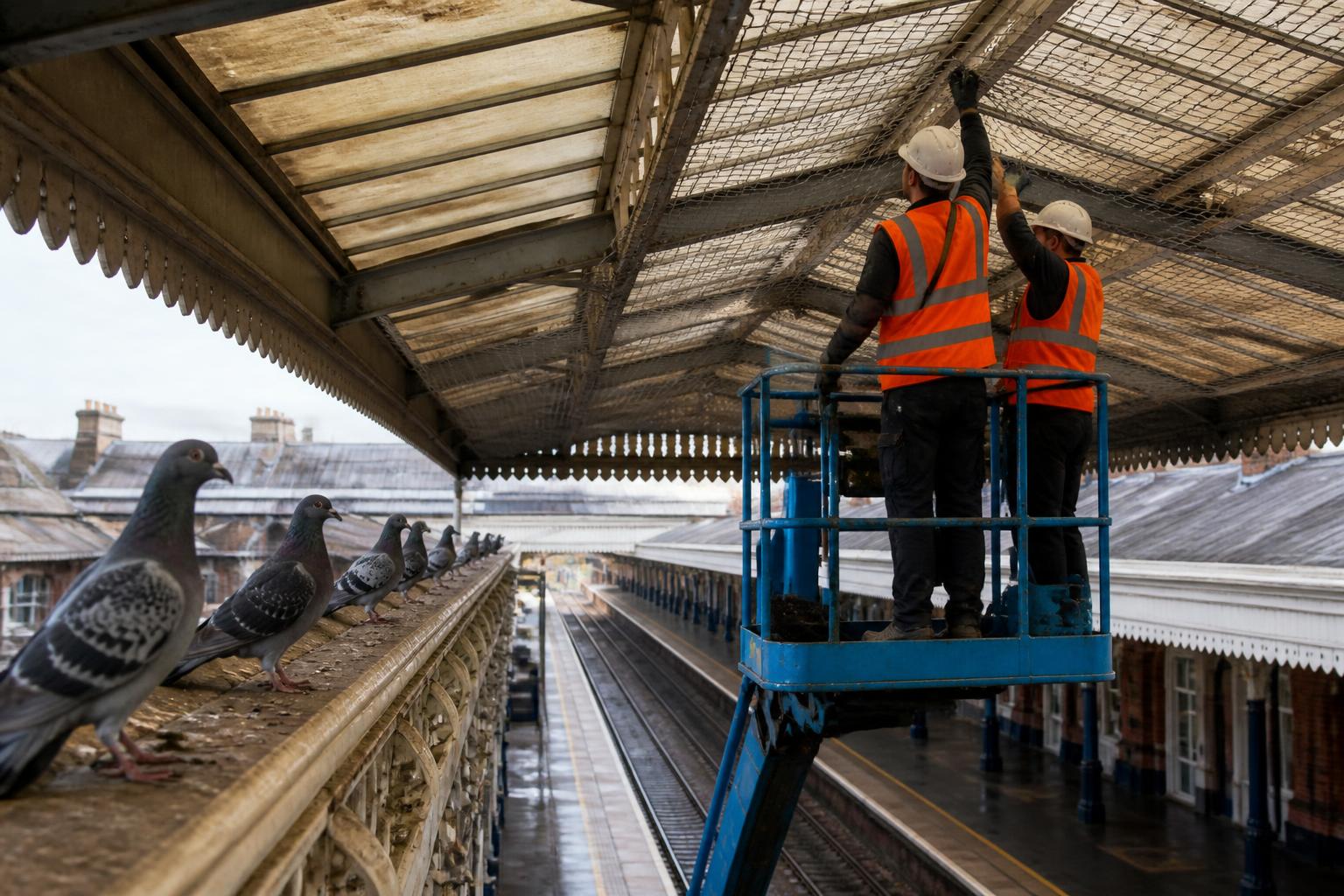
Bird control at height
Netting, spikes and wire systems fitted from access platforms and roofs, including damage to the building and injury to people below.
Fumigation
Gas fumigation of containers, silos, grain stores and buildings, which most insurers want declared in full and rate separately.
Equipment and stock
Sprayers, foggers, heat treatment kit, traps, monitoring units and bait stock in vans, stores and on site.
Read more about business equipment insurance
Spills of pesticides
Sudden spills into drains or watercourses. Gradual contamination of land or water needs an environmental policy.
Read more about environmental liability insurance
Falconry and firearms
Hawks flown for bird dispersal and air rifles or shotguns used for pest shooting, which many policies exclude unless declared.
Other covers pest control firms add
- Crime and fidelity cover: technicians entering homes, stores and secure sites
- Cyber insurance: remote rodent monitoring systems and customer reporting portals
- Commercial legal expenses: contract terminations, audit disputes and employment claims
Who needs pest control insurance?
It suits established pest control businesses of every kind. These are the operations we see most often.
Running fleets of technicians' vans? Vans sit on a fleet policy once you run several, or browse insurance for other trades.
- Vermin control contractors: rats, mice and moles on housing estates, farms and commercial premises, the bulk of most firms' work
- Fumigating services: gassing shipping containers, silos, grain stores and buildings, often at ports and food plants
- Food industry pest contractors: audit-ready contracts for food manufacturers, distributors and restaurant groups
- Bird control specialists: netting, spikes, falconry and proofing on warehouses, stations and older buildings
- Insect and bed bug treatment firms: heat and chemical treatments for hotels, housing and care homes
- Wasp and seasonal call-out teams: high volumes of summer visits to homes and businesses, often working at height
- Wildlife management firms: rabbits, squirrels and pigeons on farms and estates, sometimes using firearms
- Housing and council contractors: programmed treatments for landlords, housing associations and councils
- Pest proofing contractors: sealing gaps, fitting mesh and door brushes to keep pests out, which brings building work liability
How much does pest control insurance cost?
Premiums follow the type of work and the customers you serve more than the size of the firm. These factors matter most.
Type of work
Routine rodent and insect contracts are rated very differently from fumigation, bird control at height and firearms work.
Customer sectors
Food production and retail contracts carry larger contamination claims than offices and housing.
Chemicals and methods
Which rodenticides, insecticides and fumigants you use, heat treatments, and how technicians are trained to use them.
Technicians and wage roll
These drive employers' liability, with roof work and fumigation weighing more heavily.
Contract limits
Food retailers and manufacturers often ask for higher liability limits and professional indemnity, which add to the premium.
Claims and records
Service reports, bait plans and audit results help defend claims and show underwriters how you work.
What pest control insurance does not cover
Pest control claims are most often turned down for one of these reasons.
- Refunding your fees or returning to re-treat when a treatment fails
- Fumigation, unless declared and agreed with the insurer
- Firearms and birds of prey that were not declared
- Gradual contamination of land and water, which needs environmental cover
- Using a pesticide in a way its label does not allow, which some insurers exclude
- Advice and surveys, unless professional indemnity or treatment risk cover is included
- Road accidents in technicians' vans, a matter for your commercial vehicle policy
Contract pest control or fumigation: what changes?
Many firms add fumigation to a contract business. Insurers treat the two very differently.
| Feature | Contract pest control | Fumigation |
|---|---|---|
| Typical work | Routine visits, bait programmes and call-outs | Gassing containers, silos, commodities and buildings |
| Main liability risk | Poisoned animals, contamination and missed infestations | Gas reaching people outside the sealed area |
| Risk to staff | Ladders, lofts, bites and chemical handling | Exposure to highly toxic gas in enclosed spaces |
| Insurer appetite | Many insurers will quote | A smaller group write it, often with conditions |
| What insurers check | Bait plans, service reports and training | Gas monitoring, exclusion zones and clearance checks |
How to compare pest control insurance
A clear breakdown of your work lets the broker go to insurers that write pest control properly.
Break down your work
Turnover from contracts, call-outs, bird work, fumigation and proofing.
List customer sectors
Food, retail, housing, farms and public bodies, with the limits each contract asks for.
Describe chemicals and methods
Products and fumigants used, heat treatments, firearms or birds of prey, and staff training.
Count technicians and vans
Staff numbers, wage roll, vehicles and equipment values.
Gather your records
Recent claims, audit results and how service reports are kept.
Quotes for pest control firms
Share your technician numbers, contracts and services, and a broker who places pest control firms will compare cover.
Compare quotesPest control insurance FAQs
How much does pest control insurance cost?
It depends on the work you do, the sectors you serve, the chemicals and fumigants you use, technician numbers and wage roll, contract limits and claims history. A firm doing domestic rodent work is priced very differently from one fumigating containers at a port.
Does pest control insurance cover fumigation?
Only if declared. Fumigation with toxic gases is treated as a separate, higher risk activity, so many standard pest control policies exclude it unless agreed. Insurers that write it ask about gas monitoring, exclusion zones, clearance checks and the training of each fumigator.
Are we covered if a customer's dog eats rat bait?
Public liability usually covers your liability for injury to animals or people from bait you laid, provided it was placed and secured properly. Tamper resistant bait stations, clear signage and service records showing what was placed where help defend these claims.
What is treatment risk cover?
It covers claims that your treatment did not work and the customer suffered a loss as a result, such as stock destroyed after an infestation returned. Standard public liability usually needs physical damage you caused, so a failed treatment alone often falls outside it.
Does pest control insurance cover vermin control on farms?
Yes. Farm work brings risks from livestock and pets eating bait, secondary poisoning of wildlife and the use of firearms for rabbits or pigeons. Declare any shooting and the sites you work on, as some policies exclude firearms unless agreed.
Do bird control contractors need different cover?
They need liability cover for work at height and for damage to buildings when fixing nets and spikes, and employers' liability that reflects roof and platform work. Falconry for bird dispersal needs declaring, as it brings liability for the birds themselves.
Do food manufacturers ask for higher liability limits?
Many do. Food manufacturing and retail contracts commonly ask for higher public and products liability limits than domestic work, and may want professional indemnity too. Check each contract's insurance clause before renewal so your limits match.
Are bed bug heat treatments covered?
They can be, if declared. Heating rooms to kill insects brings a risk of fire and heat damage to the building and contents, so insurers ask about the equipment, temperature monitoring and whether a technician stays on site throughout.
How do I get a pest control insurance quote?
Click the quote button to pass your enquiry to a broker who places pest control firms. They will want your turnover split by type of work, customer sectors, chemicals and fumigants used, technician numbers, contract limits and any claims.
Ready to compare pest control insurance?
Cover for baits, fumigants, bird work and the contracts that depend on them, from brokers who know pest control.