Loft Conversion Insurance for loft conversion companies
Loft conversion insurance for specialist firms running several conversions at once, with their own teams, project managers and scaffold and lifting arrangements. Compare cover built around structural work over occupied homes.
- Liability for the client's home and the neighbours
- Contract works for dormers, steels and stairs until handover
- Employers' liability for carpenters and labourers
Reviewed October 2026 by the MyBusinessComparison.com editorial team
What is loft conversion insurance?
Loft conversion insurance is cover for specialist firms that turn roof spaces into habitable rooms. It combines public liability for damage to the client's home and neighbouring properties, employers' liability for your carpenters and labourers, and contract works cover for the dormer, steels, floor and stairs until handover.
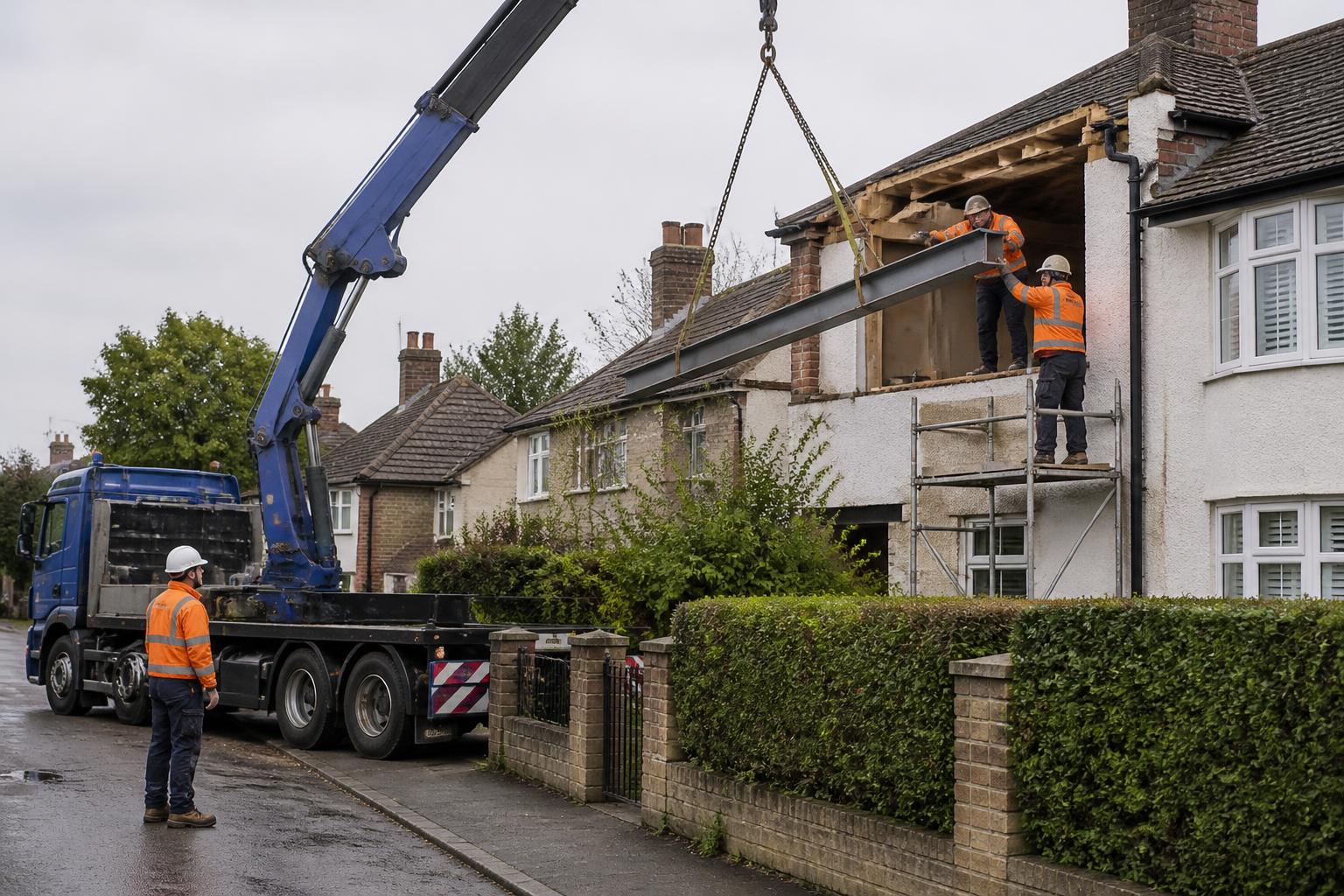
A loft conversion is structural work carried out above an occupied home. Roofs are opened to the weather, purlins and ceiling joists are cut, steel beams are lifted in, and families often carry on living below. Rain through a temporary cover, ceilings cracking beneath the new floor and falling tiles hitting a neighbour's car are the claims insurers see.
Insurers ask how many conversions you run at once, whether you design in-house, who erects the scaffold, how an open roof is protected and whether the work touches a shared wall. Standalone loft insulation sits on our insulation installers insurance page.
Loft conversion insurance at a glance
- Suits
- Loft conversion companies with employed teams and project managers
- Core covers
- Public liability, employers' liability and contract works
- Trade specific
- Open roofs, structural alterations, steel beams and shared walls
- Insurers ask about
- Weather protection, design, scaffolding and crane lifts
- Priced on
- Turnover, wage roll, conversion types, contract values and claims
- Often needed
- Professional indemnity where you design
What does loft conversion insurance cover?
Loft conversion firms usually combine the sections below. Each conversion moves from an open roof to a finished room in a few weeks, and the cover needs to follow it through every stage.
Public liability
Damage to the client's home and belongings, such as rain through a failed temporary roof or ceilings below cracked by the work, and harm to neighbours from falling materials.
Read more about public liability insurance
Contract works
The conversion as it is built: new joists, dormer, steels, stairs and roof windows, insured against storm, fire, theft and vandalism until handover.
Read more about contractors' all risks insurance
Employers' liability
Falls through open joists and from roof edges, handling steels and timber up the scaffold, and power tool injuries in cramped roof spaces.
Read more about employers' liability insurance
Completed work
Damage that shows after the family moves in, such as a dormer leaking at the flashing onto the room below or a new floor causing cracks in the ceilings underneath.
Read more about completed work liability
Shared walls and neighbours
Bearing steels into a shared wall or removing a chimney breast can crack a neighbour's plaster or disturb their roof. Liability depends on negligence, and non-negligent cover is a separate option.
Plant and lifting
Hired hoists, telehandlers and lorry-mounted cranes for steels and dormer frames, with hire charges if equipment is damaged.
Read more about plant and machinery cover
Tools and site storage
Saws, nail guns, compressors and materials held in a container, garage or van at the client's home.
Read more about business equipment insurance
Design and project management
Claims that drawings, structural details or advice on what the roof could take were wrong, where you design in-house rather than using an outside architect and engineer.
Read more about professional indemnity insurance
More cover loft conversion firms add
- Commercial legal expenses: disputes with homeowners over stage payments, delays and snagging
- Engineering inspection: thorough examination of hoists and lifting gear you own
- Group personal accident: a benefit for team members injured in a fall
- Fleet insurance: vans and tippers on one policy
Which loft conversion businesses is this for?
Established loft converters whose turnover comes mainly from roof space conversions. Insurers rate each type of conversion according to how much of the roof is removed.
Building extensions too? Firms whose main work is extensions and renovations can see builders insurance, or browse the trades hub.
- Dormer loft converters: rear dormers on terraced and semi-detached houses, the core of most conversion firms' work
- Hip to gable and mansard specialists: larger changes to the roof shape, with longer periods open to the weather
- Roof light conversion firms: rooms created within the existing roof line, with less structural change and shorter programmes
- Design and build loft companies: in-house designers working with an engineer, taking projects from drawings to completion
- Conversions in flats and maisonettes: top floor conversions where the roof belongs to a freeholder and other residents live below
- Period and conservation area specialists: conversions on older homes with fragile ceilings, lime plaster and stricter planning conditions
- Loft firms with their own scaffold: erecting scaffold for your own jobs adds a separate risk; scaffold contractors see scaffolding insurance
- Roofers adding dormers: roofing firms taking on conversions; roof covering work on its own sits with roofers insurance
How much does loft conversion insurance cost?
Loft conversion premiums follow the amount of structural work and the time roofs stay open. These are the factors insurers weigh most.
Conversion types
Mansard and hip to gable work is rated above roof light conversions because more of the roof is removed and rebuilt.
Jobs running at once
The number of live projects and the largest contract value set the contract works sum insured and the liability exposure.
Weather protection
Temporary roofs, scaffold sheeting and how quickly a roof is made watertight weigh heavily, given how many claims start with rain.
Design responsibility
Firms that produce their own drawings and structural details need professional indemnity and are rated differently from build-only firms.
Wage roll and subcontractors
Employers' liability follows wages and labour-only payments, while insured subcontractors such as electricians and plasterers are rated separately.
Claims history
Water damage, ceiling cracks and neighbour claims are reviewed closely, along with the changes you made afterwards.
What loft conversion insurance does not cover
These exclusions come up most often on loft conversion claims, so it is worth checking how each policy treats them.
- Water damage where conditions on temporary roofs or sheeting were not met
- Rework on your own faulty construction, such as a dormer built out of square
- Damage to neighbouring property without negligence, unless non-negligent cover has been bought
- Design errors, which need professional indemnity insurance
- Scaffolding erected by your own team, unless declared to the insurer
- Existing defects in the house, such as rotten rafters or a failing chimney
- Vans and tippers, which need their own commercial vehicle cover
The homeowner's insurance or yours: who covers what during a conversion?
Clients often assume their home insurance covers everything while the roof is open. It rarely does, and the building contract decides much of the split.
| Feature | Homeowner's home insurance | Your loft conversion cover |
|---|---|---|
| The existing house | Stays on the buildings policy if the home insurer has been told and agrees | Damage you cause is a liability claim; some contracts also ask you to insure the existing structure |
| Contents below | Covered by the contents policy, which may restrict cover during building work | Your public liability, where your work caused the damage |
| The new loft | Usually not covered until complete and handed over | Your contract works section until handover |
| Rain while the roof is open | Often excluded or limited while major works are under way | Turns on whether your temporary protection was adequate |
| Who tells the insurer | The homeowner, before work starts | You declare structural work, steels and lifting to your insurer |
How to compare loft conversion insurance
Brokers can place a loft conversion firm quickly with these details ready.
Describe a typical project
Conversion types, average length of job, typical and largest contract values, and how many run at once.
Explain weather protection
Temporary roof systems, sheeting, checks before forecast storms and how quickly roofs are closed in.
Set out design arrangements
Whether you design in-house or use outside architects and engineers, and who signs off structural details.
Detail scaffold and lifting
Who erects scaffold, and how steels and dormer frames are lifted in.
Gather claims history
Water ingress, cracking and neighbour claims, with the changes you made after each one.
Quotes for loft conversion firms
Tell us about your conversions, teams and design arrangements, and a broker who knows structural trades will compare terms.
Compare coverLoft conversion insurance FAQs
How much does loft conversion insurance cost?
It depends on your conversion types, turnover, wage roll, contract values, how roofs are protected, whether you design and your claims history. A firm building mansards in its own scaffold is rated very differently from one doing roof light conversions, and a broker can explain the difference.
Who insures the client's house during a loft conversion?
Usually the homeowner, through their buildings policy, but only if their insurer knows about the works and agrees. Your policy covers damage you cause. Some contracts ask you to insure the existing structure too, so check the contract before work starts.
Are we covered if rain gets in while the roof is open?
Water damage caused by your work is normally a liability claim, but insurers will look at whether your temporary roof or sheeting was adequate and checked. Many policies set conditions for weather protection, and failing to meet them can put a claim at risk.
Does loft conversion insurance cover damage to a neighbour's property?
Damage you cause through negligence, such as cracking a neighbour's ceiling while cutting into a shared wall, is covered by public liability. Damage that happens without negligence, such as settlement despite good work, needs non-negligent liability cover, which some contracts require.
Do loft converters need professional indemnity?
Yes, if you design. Firms that produce drawings, structural details or advice on what the roof can take can face claims for errors that liability policies will not pay. Firms building to an outside architect's and engineer's design need it less.
Is lifting steel beams into a loft covered?
It can be, if declared. On an ordinary crane hire the hiring firm is normally treated as running the lift, operator included, so damage and injury it causes fall to you; on a contract lift the crane company takes that on. Insurers ask which you use and who supervises.
Are conversions in top floor flats covered?
They can be, if declared. Converting the roof space above a flat involves a freeholder, shared roof and residents below, which raises the stakes if water gets in. Insurers may ask about the freeholder's consent and how other residents are protected.
Does loft conversion insurance cover loft insulation jobs?
Insulation fitted as part of a conversion is covered within the conversion. Firms that mainly install loft, wall or industrial insulation as standalone work are better placed under insulation installers insurance, which rates that work on its own terms.
How do I get a loft conversion insurance quote?
Request terms here, and a broker who knows structural trades will call you back. Have your conversion types, contract values, payroll, design arrangements, scaffold and lifting details and claims history ready.
Ready to compare loft conversion insurance?
Cover for loft conversion firms from the day the roof opens to the day the family moves upstairs.