Plant and Machinery Insurance for owned and hired plant
Cover for excavators, dumpers, telehandlers, cranes and access equipment, whether you own them, hire them in or hire them out. Compare policies that pay for the machine and the hire charges that keep running after a loss.
- Owned, hired-in and hired-out plant on one schedule
- Continuing hire charges after theft or damage
- Cover on site, in the yard and on the low loader
Reviewed October 2026 by the MyBusinessComparison.com editorial team
What is plant and machinery insurance?
Plant and machinery insurance covers mobile construction and industrial plant against theft, fire, vandalism, overturning and accidental damage. It can insure machines you own, machines you hire in from others and machines you hire out, including the hire charges you still owe or lose while a machine is repaired or replaced.
Cover follows the plant: on site, at your yard and while it is being carried between them. Plant driven on public roads also needs motor cover, and the operator's actions are dealt with under your liability insurance rather than the plant policy.
Firms whose main business is hiring plant out to others are covered on plant hire insurance, which deals with hire contracts and machines in customers' hands. For fixed machinery inside a factory or workshop, see business equipment and machinery insurance and engineering inspection and breakdown.
Plant and machinery insurance at a glance
- Suits
- Contractors, plant hire firms and operators of mobile plant
- Covers
- Owned plant, hired-in plant, hired-out plant and hire charges
- Main threats
- Theft from sites and yards, overturning and fire
- Priced on
- Plant values, type of machine, security, use and claims
- Often required by
- Hire companies, finance houses and main contractors
- Not included
- Use on public roads, which needs motor cover
What does plant and machinery insurance cover?
Most plant policies are split into sections for owned and hired plant, with extensions for the costs that follow a loss.
Owned plant
Excavators, dumpers, rollers, telehandlers, cranes and generators you own or have on finance, insured for theft, fire, vandalism and accidental damage.
Hired-in plant
Your responsibility under the hire contract for machines hired from others, which most hire terms place on the hirer from delivery or collection until the machine is returned.
Continuing hire charges
The hire fees you must keep paying to the hire company after a hired machine is stolen or written off, until a replacement is agreed.
Transit and loading
Damage while plant is being carried on your own or hired low loaders, including loading and unloading.
Read more about goods in transit insurance
Breakdown
Sudden mechanical or electrical failure of engines, hydraulics and control systems, as an optional section.
Hired-out plant and loss of hire
For plant hire firms: damage to machines while out on hire, and the hire income lost while a machine is off the fleet.
Replacement hire for owned plant
The cost of hiring in a substitute while your own machine is repaired, so the job keeps moving.
Operator and third party liability
Injury and damage caused by plant in use is covered under your public liability, which needs to reflect the plant you run.
Read more about public liability insurance
Covers plant owners often add
- Motor cover for road use: for plant driven between sites on public roads
- HGV insurance: for low loaders and plant lorries
- Engineering inspection: for the regular thorough examinations that cranes and lifting equipment need
- Contractors' all risks: for the works your plant is building, which plant cover does not include
Who needs plant and machinery insurance?
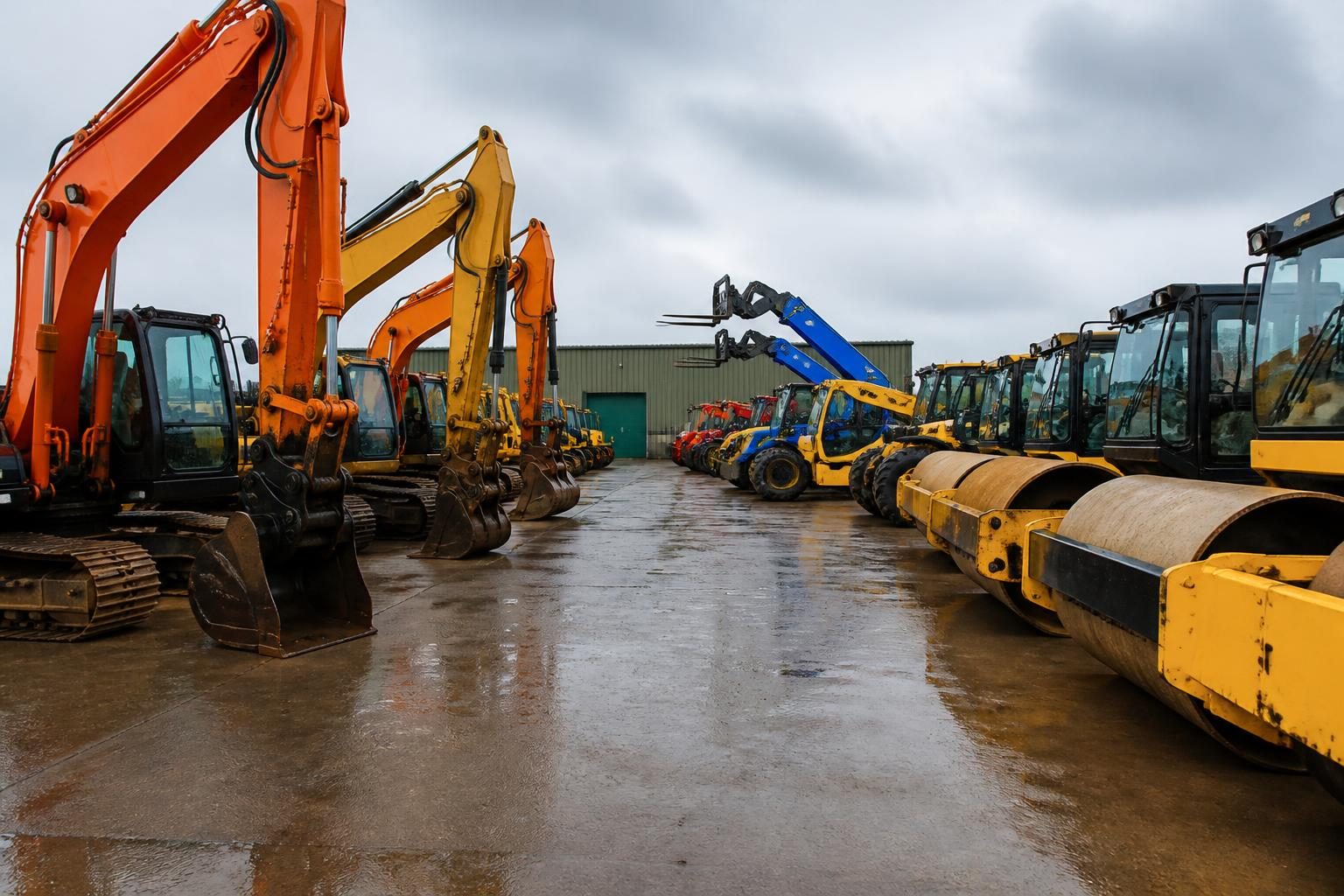
Anyone who owns, hires or operates mobile plant. These are the businesses we see insuring it most.
Running a factory or workshop? Fixed machinery is covered under business equipment insurance or a commercial combined policy.
- Plant hire companies: fleets of machines out on hire, with damage, theft and lost hire income to cover
- Main contractors: owned plant across several sites plus a steady flow of hired-in machines
- Civil engineering contractors: heavy earthmoving plant, rollers and pumps on open sites
- Groundworkers: mini diggers, dumpers and breakers that are frequent theft targets
- Crane and lifting firms: mobile cranes and lifting gear, with contract lift and crane hire treated differently
- Access equipment operators: scissor lifts, booms and mast climbers used across many sites
- Skip hire and waste operators: loading shovels, grabs and material handlers at transfer sites
- Agricultural contractors: tractors and earthmoving equipment used on farm and construction work
- Builders merchants and tool hire: forklifts, small plant and tools hired to trade customers
- Fencing and landscaping contractors: post drivers, compact plant and trailers moved between jobs
How much does plant and machinery insurance cost?
Plant is priced on what it is worth, how easy it is to steal and how hard it works. These are the factors underwriters weigh.
Plant values
Each owned machine carries its own declared value. Hired-in cover is sized to your peak, the most you ever have out on hire together.
Type of machine
Compact plant is stolen more often, while cranes and large earthmovers bring higher damage values when they overturn or fail.
Security
Trackers, immobilisers, marking and registration schemes, and locked compounds all count, and some insurers make them a condition for higher value machines.
Where and how it works
Plant on open, unattended sites, near water or on demolition work is rated more heavily than plant in a staffed yard.
Hire charge exposure
The length of hire period you need covered after a loss, and how quickly replacements can be found.
Claims and excess
Theft history weighs heavily, and a higher excess for theft is common on compact plant.
What plant and machinery insurance does not cover
Plant claims are often reduced or refused on security conditions. These are the gaps to check.
- Theft where the policy's security conditions were not met, such as keys left in the machine or a tracker not working
- Wear and tear, gradual deterioration and lack of maintenance
- Breakdown, unless the optional breakdown section is included
- Use on public roads, which needs motor cover for the machine
- Damage to tyres and tracks alone, unless caused by an insured event that damages the machine as well
- Plant working underground, over water or on demolition, unless declared and agreed
- Injury or damage caused by plant in use, which falls under public liability cover
Owned plant cover or hired-in plant cover?
Most contractors need both, as the two sections work differently. This is how they compare.
| Feature | Owned plant | Hired-in plant |
|---|---|---|
| What is insured | Machines you own or have on finance | Your responsibility for machines hired from others |
| How the value is set | A declared value for each machine | The highest total value on hire at any one time |
| Hire costs after a loss | Replacement hire while your machine is repaired | Continuing hire charges owed to the hire company |
| Who asks to see it | Finance houses and lenders | Hire companies before releasing plant |
| Common pitfall | Values not updated as machines are bought and sold | Hire value limit set too low for peak periods |
How to compare plant and machinery insurance
A full plant list and a clear picture of how you hire in machines speeds up quotes. Gather these first.
List your owned plant
Make, model, year, serial number and current value for each machine, including any on finance.
Size your hired-in exposure
The highest value of plant on hire at once, typical hire periods and the hire terms you sign.
Describe security
Trackers, immobilisers, marking, overnight storage and how keys are controlled on site.
Explain how plant is used
Sites, types of work, whether operators are supplied and whether machines are driven on roads.
Compare the sections
Check theft conditions, hire charge limits, transit cover and excesses for each type of machine before comparing price.
Adding machines to the fleet?
Share your plant list or typical hire values, and a plant specialist will compare owned and hired cover for you.
Compare plant quotesPlant and machinery insurance FAQs
How much does plant and machinery insurance cost?
It depends on the value and type of each machine, how it is secured, where it works, how much plant you hire in and your theft and claims history. Compact plant on open sites usually costs more to insure than plant kept in a staffed yard. A broker can show how each section is priced.
Am I responsible for plant I hire in?
Usually, yes. Most hire terms used in the UK make the hirer responsible for loss or damage from delivery or collection until the machine is returned, and for hire charges until the claim is settled. A hired-in plant section covers that responsibility up to an agreed value.
What are continuing hire charges?
They are the hire fees you still owe the hire company after a hired machine is stolen or written off, until a replacement is agreed. They can mount up quickly, so check the hire charge limit and the number of weeks the policy will pay.
Does plant insurance cover my machine on the road?
Not usually. A plant policy covers the machine itself, but if it is driven on public roads it also needs motor insurance for road use. A broker can arrange motor cover for road-going plant alongside the plant policy.
Is theft from an unattended site covered?
Usually, provided the policy's security conditions were met. These often include removing keys, using immobilisers or trackers, and storing compact plant in a locked compound overnight. A higher theft excess is common for small, easily moved machines.
We hire plant out with operators. What cover do we need?
Usually hired-out plant cover, loss of hire income, and employers' and public liability for your operators. Under common industry terms for operated hire, the operator works under the hirer's direction and the hirer takes on much of the responsibility, but not every hirer is properly insured, so check your hire terms with the broker.
Does plant insurance cover mechanical breakdown?
Only if a breakdown section is added. It covers sudden mechanical or electrical failure, such as a hydraulic pump or engine failing. Wear and tear and lack of maintenance are excluded, so keep service records for every machine.
Is plant covered while it is being transported?
Most policies cover plant in transit on your own or hired low loaders, including loading and unloading, often up to a set limit. Check the limit against your largest machine and confirm how plant moved by a haulier is covered.
How do I get a plant and machinery insurance quote?
Send your plant details from this page and a broker who insures plant fleets will come back to you. A machine list with serial numbers and values, your peak hired-in value, tracker and compound details, how machines move between sites and any theft losses will let them go to insurers straight away.
Ready to compare plant and machinery insurance?
Owned, hired-in and hired-out plant covered on site, in the yard and in transit, arranged by brokers who know hire terms.