Bus Fleet Insurance for local bus operators
Cover for operators running local stopping services, tendered routes, school buses and park and ride. Compare fleet policies built around standing passengers, busy town centres and depots full of high value vehicles.
- Seated and standing passengers covered
- Single deck, double deck and electric buses
- Depot, charging equipment and fare takings
Reviewed October 2026 by the MyBusinessComparison.com editorial team
What is bus fleet insurance?
Bus fleet insurance is a motor fleet policy for operators running buses on local stopping services, school routes and park and ride. It covers the buses, injury to seated and standing passengers and to other road users, and damage to third party property, usually alongside cover for the depot and staff.
It is part of minibus and coach insurance, but the claims pattern on a bus fleet is its own. Buses stop and start constantly in traffic, carry standing passengers and share narrow streets with pedestrians and cyclists, so passenger falls and low speed collisions make up much of the claims experience.
Larger bus operators often carry a sizeable excess on each claim and handle smaller claims themselves, so the way claims are managed matters as much as the cover itself.
Bus fleet insurance at a glance
- Suits
- Operators of local, tendered, school and park and ride bus services
- Core cover
- Buses, passengers, third parties and pedestrians
- Main claim types
- Passenger falls, low speed collisions and bridge or kerb strikes
- Priced on
- Fleet claims experience, vehicle numbers and types, routes and excess level
- Insurers check
- Operator licence, CCTV, driver training and maintenance records
- Often added
- Depot property, charging equipment, money and driver assault cover
What does bus fleet insurance cover?
Bus policies combine motor cover with the depot and people risks that come with running a network. These are the main sections.
Buses and accident damage
Single deck, double deck, midi and electric buses on comprehensive or third party cover, with repairs to bodywork and glass.
Passenger injury
Injury to passengers on board, boarding and alighting, including standing passengers who fall when the bus brakes or pulls away.
Third party and pedestrians
Injury to pedestrians, cyclists and other road users, and damage to vehicles, bus shelters, street furniture and buildings.
Electric buses and charging
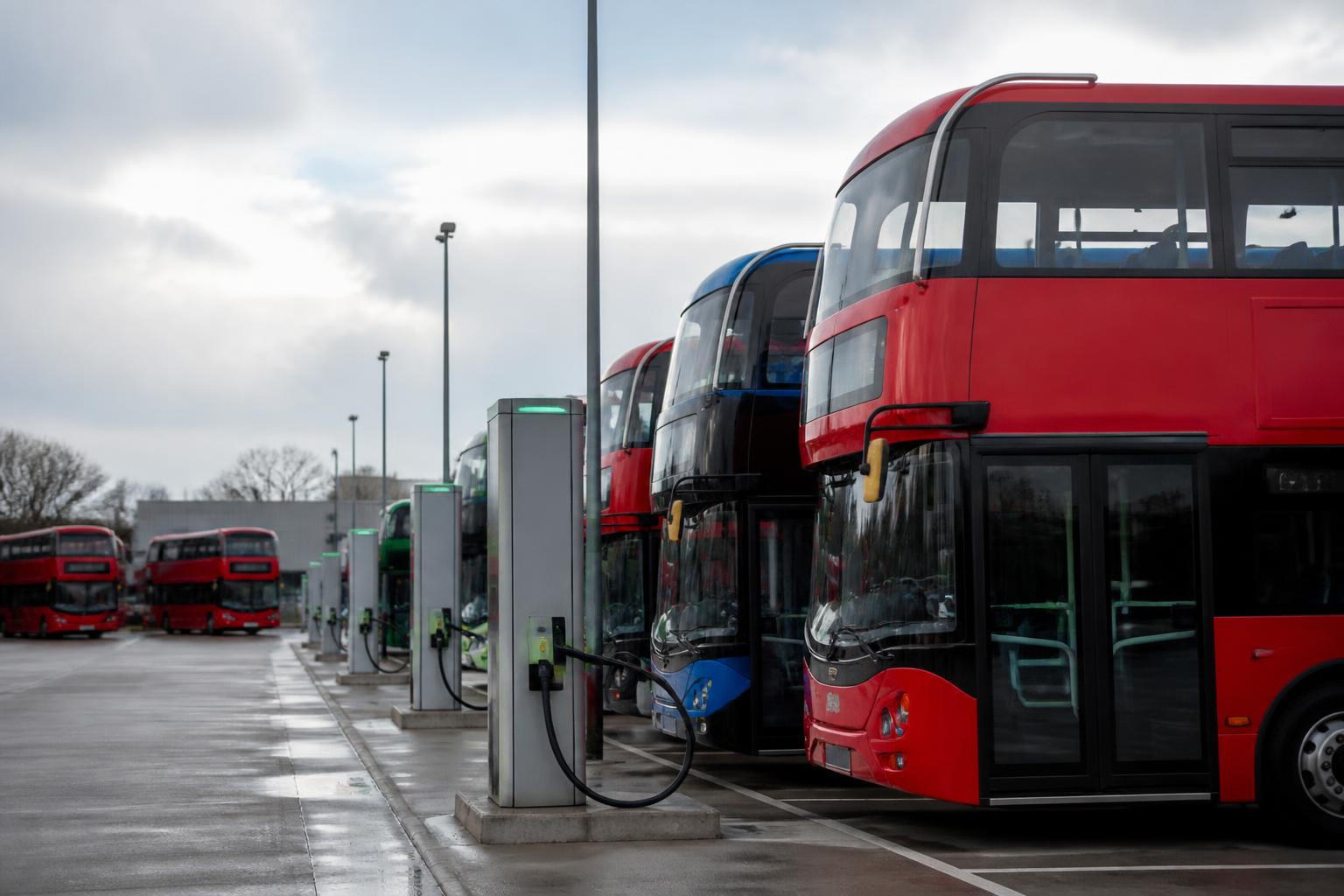
Battery packs, depot chargers and the electrical installation that supports them, which are high value and need specific cover.
Depot, garage and bus station
Garages, workshops, fuel stores and wash bays, and buses parked overnight where a single fire could affect many vehicles. Bus stations open to the public also need public liability cover.
Read more about commercial property insurance
Fare takings and ticket machines
Cash on buses, in transit to the bank and at the depot, plus ticket machines and onboard equipment.
Read more about crime and fidelity cover
Driver assault
Benefits for drivers injured in assaults on board, often arranged through a group personal accident policy.
Claims handling support
Help investigating incidents, gathering CCTV and defending passenger and third party claims, including suspected fraudulent ones.
Covers bus operators often add
- Employers' liability: drivers, engineers and depot staff, compulsory for most operators
- Business interruption: lost revenue and extra costs if a depot fire takes buses off the road
- Engineering inspection: vehicle lifts, pits, compressors and fuel systems at the depot
- Environmental liability: fuel and oil leaks from depot tanks and refuelling areas
- Cyber insurance: ticketing, scheduling and payment systems that keep services running
Which operators need bus fleet insurance?
Any business running buses on stopping services or regular routes. These are the operators insurers see most.
Running private hire or tours? Coach operators have different risks; see coach fleet insurance. Operators with a mix of both can usually place them on one policy.
- Independent local bus operators: commercial routes in towns and rural areas, often alongside tendered work
- Tendered and council contract operators: routes run under contract to local authorities, with liability limits set in the contract
- School bus operators: dedicated home to school services carrying children every term day
- Park and ride operators: high frequency shuttle services between car parks and town centres
- Community transport groups: not for profit services for passengers who cannot use ordinary buses, often with accessible vehicles
- Rail replacement and shuttle contractors: buses supplied for short notice rail work and site shuttles
- Airport and campus shuttle services: services within airports, hospitals and university sites
- Sightseeing and open top tour operators: hop-on hop-off routes with passengers on open upper decks
- Mixed bus and coach operators: service buses alongside coaches, which can share one policy with coach fleet cover
- Larger mixed fleets: groups running buses with support vans and recovery vehicles on one fleet schedule
How much does bus fleet insurance cost?
Bus fleets are priced on experience and on how the operator manages risk. These are the factors insurers weigh most.
Passenger and collision claims
The number and cost of passenger, pedestrian and collision claims over recent years, including claims still open.
Vehicle types and values
Double deck and electric buses cost more to repair and replace, and new vehicles carry high values.
Routes and areas
Busy urban routes see more low speed incidents than rural services, and some areas have higher claim rates.
Excess level and self-handled claims
A higher excess per claim, with the operator managing smaller claims, can change the premium a great deal.
Evidence and controls
CCTV on buses, driver training, telematics and incident reporting help defend claims and support better terms.
Depot risk
How buses are parked overnight, fire detection, charging layout and how values are spread across sites.
What bus fleet insurance does not usually cover
These are the points where bus operators most often find a gap after an incident.
- Claims within the excess, which the operator pays and often handles directly
- Work the insurer was not told about, such as private hire or rail replacement on a policy written for local services
- Mechanical breakdown and battery wear, as opposed to sudden damage
- Drivers without the right licence category or a current Driver CPC, or outside the insurer's agreed criteria
- Cash left on buses or at the depot outside the money limits and conditions
- Fines and penalties, including those for late running or contract performance, though legal expenses cover can help defend prosecutions
- Loss of contract revenue when a service is withdrawn, which is a commercial risk
Bus fleet or coach fleet insurance?
Both cover passenger vehicles, but the work and the claims look different. This is how they compare.
| Feature | Bus fleet | Coach fleet |
|---|---|---|
| Typical work | Local stopping services, school and park and ride | Private hire, tours and continental travel |
| Passengers | Seated and standing, many short journeys | Seated, fewer and longer journeys |
| Common claims | Passenger falls and low speed collisions | Road accidents, luggage and breakdowns far from base |
| Territory | Mostly local and within the UK | UK and often Europe |
| Typical extras | Fare takings, driver assault, depot charging | Luggage, onward travel, touring abroad |
How to compare bus fleet insurance
Bus underwriters price on detailed data. Preparing this in advance gives a clearer comparison.
Profile the fleet
Number of buses by type, age and value, including electric buses and charging equipment.
Set out routes and contracts
Commercial routes, tendered contracts, school services and any rail replacement or private hire work.
Gather claims data
A full claims list over recent years with open claims, reserves and causes, ideally from your claims handler.
Show risk controls
CCTV coverage, driver training, telematics, incident reporting and how low bridges are managed on routes.
Test excess options
Ask for terms at more than one excess level and weigh the premium against the claims you would handle yourself.
Get bus fleet cover arranged
Tell us about your routes, vehicles and depot, and a specialist broker will compare cover.
Compare quotesBus fleet insurance FAQs
How much does bus fleet insurance cost?
It depends on the fleet's claims experience, the number and type of buses, the routes, the excess you carry and the risk controls in place. Two operators of similar size can pay very different amounts if one has better claims data and CCTV evidence.
Are standing passengers covered?
Yes. Bus fleet policies cover injury to standing passengers as well as seated ones. Falls when a bus brakes or pulls away are among the most common claims, so insurers look closely at driver training and CCTV.
Does bus fleet insurance cover electric buses?
Yes, most bus insurers cover electric buses, but battery packs and depot charging equipment carry high values and specific fire risks. Insurers ask about charging layout, fire detection and how buses are parked overnight.
Are low bridge strikes covered?
Damage to the bus and to the bridge is normally covered as an accident, subject to the excess. Because bridge strikes by double deck buses can be very costly, insurers ask how routes are planned and how drivers on unfamiliar or diverted routes are briefed.
What is a large excess and why do bus operators use one?
Some operators agree to pay a substantial amount of each claim themselves, managing smaller claims directly or through a claims handler. In return the premium is lower. It suits operators with steady claims data and cash to absorb the cost.
How does CCTV affect bus insurance?
CCTV helps defend passenger and third party claims, including exaggerated or fraudulent ones, by showing what happened. Insurers generally view good onboard and forward facing cameras favourably, and retention of footage matters when claims arrive months later.
Can I insure buses and coaches on one policy?
Yes. Many insurers will cover service buses and coaches together on one fleet policy, though each type is rated on its own work. See coach fleet insurance for touring and private hire risks.
Is the depot covered under the bus policy?
Not usually by the motor section. Depot buildings, workshop equipment, fuel and charging infrastructure need property cover, often through a commercial combined policy, alongside business interruption.
How do I get a bus fleet insurance quote?
Your enquiry from this page is passed to a broker who places bus fleets. Sending your fleet list, route and contract details, a full claims listing and a note of your CCTV and driver training gets terms moving quickly.
Ready to compare bus fleet insurance?
Buses, passengers, depots and drivers, covered by a policy arranged by a broker who understands local bus operations.