Hire and Reward Insurance for carrying goods for others
The vehicle cover a business needs once its vans or trucks carry other people's goods for payment, from full delivery contracts to the occasional paid backload. Compare hire and reward cover for every vehicle and driver doing that work.
- Vans and trucks carrying goods for customers
- Single drop, multi-drop and contract work
- Fleet terms for several vehicles and drivers
Reviewed October 2026 by the MyBusinessComparison.com editorial team
What is hire and reward insurance?
Hire and reward insurance is motor cover for vehicles that carry goods belonging to someone else in return for payment. It is a class of use on a van, truck or fleet policy, and it is needed whenever a business is paid to move another firm's goods, whether that is its main trade or an occasional job.
Ordinary business use, often called carriage of own goods, only covers a firm moving its own stock, tools and materials. If a vehicle insured that way is used to deliver for a paying customer, an insurer may refuse to pay for damage to the vehicle and can seek to recover any third party claim it has to settle from the business.
Hire and reward covers the vehicle, not the load. Customers' goods need separate goods in transit cover, and the wider courier business is covered on our courier and delivery insurance page.
Hire and reward insurance at a glance
- What it is
- A class of use on a vehicle or fleet policy
- Needed when
- Your vehicles carry other firms' goods for payment
- Suits
- Couriers, hauliers, removal firms and firms selling spare capacity
- Usually combined with
- Goods in transit, public liability and employers' liability
- Priced on
- Type of work, vehicles, drivers, routes and claims experience
- Passenger work
- Needs taxi, private hire or minibus cover instead
What does hire and reward insurance cover?
The hire and reward class of use sits on a motor policy, so it comes with the usual motor sections, set up for delivery work.
Vehicles doing paid delivery work
Vans, Lutons, rigid trucks and articulated units used to carry customers' goods, on comprehensive or third party, fire and theft cover.
Read more about commercial vehicle insurance
Road and doorstep liability
Injury to other people and damage to their property while delivering, including at loading bays and customers' premises.
Multi-drop and single drop work
Parcel rounds with many stops a day, and dedicated single consignments, each rated according to the risk.
Employed and subcontracted drivers
Any approved driver on the fleet, with clear terms on whether subcontracted drivers are covered or need their own policy.
Peak hire and courtesy vans
Vehicles hired in to cover peaks or breakdowns, and courtesy vans so that contracted rounds keep running.
Fleet terms
Several vehicles on one schedule, priced on the operation's own claims experience once it has enough history.
Read more about commercial fleet insurance
Theft of the vehicle
Theft of vans and trucks, subject to keys, locks and overnight parking conditions that matter more on high mileage delivery work.
Recovery and legal support
Roadside recovery and, on many policies, legal expenses cover to recover uninsured losses after an accident that was not your driver's fault.
Covers to put alongside hire and reward
- Goods in transit: customers' goods while on your vehicles, on the terms you trade on
- Public liability: injury or damage at customers' premises while delivering or collecting
- Employers' liability: drivers and warehouse staff, compulsory for most firms with employees
- Warehouse cover: customers' goods stored at your depot between journeys
Who needs hire and reward insurance?
Any business paid to carry goods it does not own. Some are obvious; others cross the line without realising.
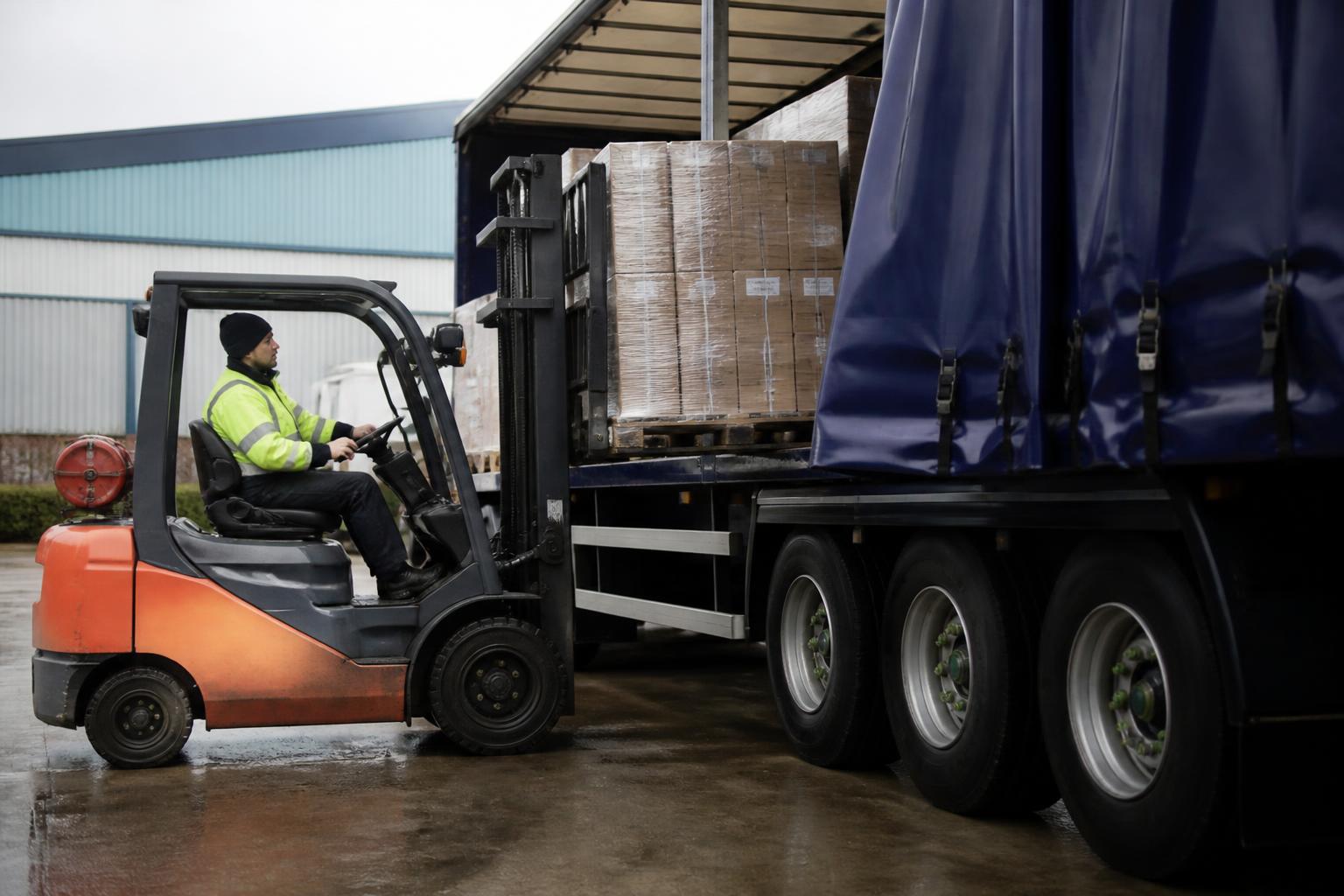
Carrying passengers for payment? That is passenger hire and reward. See taxi and private hire insurance or minibus and coach insurance.
- Courier and parcel firms: multi-drop rounds and same day work for business customers
- Hauliers and logistics operators: full and part loads for customers on contract or spot work
- Removal and relocation companies: household and office moves, where customers' goods are carried for a fee
- Subcontractors to parcel networks: firms running routes for national carriers under service contracts
- Wholesalers delivering for other firms: distributors that sell spare van capacity or deliver third party products
- Manufacturers taking paid backloads: trucks that carry another firm's goods on the return journey for a fee
- Warehouse and fulfilment operators: firms that store customers' stock and also deliver it to their customers
- Pallet network members: depots collecting and delivering pallets for other members and their customers
- Plant movement contractors: low loaders moving other firms' machinery between sites for a fee
- Event and exhibition logistics firms: moving exhibitors' stands, staging and equipment to venues for a fee
- Farm businesses carting for neighbours: trucks and trailers hauling grain, straw or feed for other farms for payment
How much does hire and reward insurance cost?
Hire and reward is usually rated higher than own goods use because the vehicles typically cover more miles and make more stops. These factors make the most difference.
Delivery model
Multi-drop parcels, same day express, pallet work and long distance haulage each carry a different claims pattern.
Vehicle size and value
Size, weight and value. Larger vans and trucks cost more to repair and cause more damage in an accident.
Drivers
Ages, experience, licence history and turnover of staff, plus how subcontracted drivers are handled.
Mileage and routes
Annual miles, urban or rural rounds and whether vehicles run at night or across the UK.
Claims experience
The fleet's own record, or each vehicle's history if the operation is newly moving into hire and reward work.
Security and telematics
Tracking, cameras and overnight parking help reduce theft and support claims defence.
What hire and reward insurance does not cover
Hire and reward fixes the class of use, but it does not cover everything a delivery business needs.
- The goods being carried, which need goods in transit insurance
- Carrying passengers for payment, which is a different class of use
- Subcontracted drivers who are not covered under your policy terms
- Drivers outside the agreed age range or without the right licence for the vehicle
- Work beyond what was declared, such as moving from local multi-drop rounds into long distance haulage without telling the insurer
- Wear and tear and mechanical breakdown from high mileage work
- Fines, penalty charges and parking tickets incurred on delivery rounds
Hire and reward or carriage of own goods?
The class of use on the policy has to match the work the vehicle does. This is the difference.
| Feature | Hire and reward | Carriage of own goods |
|---|---|---|
| Whose goods | Customers' goods, for payment | Your own stock, tools and materials |
| Typical users | Couriers, hauliers, removal firms | Contractors, wholesalers, retailers delivering their own goods |
| Occasional paid jobs | Covered | Not covered, even for a single job |
| Relative premium | Higher, reflecting more miles and stops | Lower for the same vehicle |
| Goods cover | Carriers' transit cover needed | Own goods transit cover advisable |
How to compare hire and reward insurance
Insurers want a clear picture of who you carry for and how. Have this ready.
Set out who you carry for
The customers you carry for and the type of work, such as multi-drop, same day, pallet, removal or haulage, with the share of the business each makes up.
Detail the fleet and drivers
Each vehicle's size and value, and every driver's age, experience and licence history.
Explain subcontracting
Whether you use subcontracted drivers or vehicles, and what cover you require them to hold.
Share contract terms
Customer contracts and conditions of carriage, which set the transit and liability limits you need.
Pull together claims records
Claims records for each vehicle or the fleet, and what changed after any significant claim.
Get hire and reward cover arranged
Tell us about your vehicles, drivers and the work they do, and a specialist broker will compare cover.
Compare quotesHire and reward insurance FAQs
How much does hire and reward insurance cost?
It depends on the type of delivery work, the vehicles, drivers, mileage, routes and claims history. It costs more than carriage of own goods for the same vehicle because delivery work involves more miles, stops and handling.
When do I need hire and reward rather than business use?
As soon as your vehicle carries goods you do not own for payment. Delivering your own stock to customers is carriage of own goods. Being paid to deliver another firm's goods, even once, is hire and reward.
Does hire and reward cover the goods I carry?
No. It covers the vehicle and your liability to third parties on the road. Customers' goods need goods in transit insurance written on the terms of your contracts.
What happens if I carry goods for payment without it?
The insurer may decline to pay for damage to your vehicle. It still has to meet third party claims, but it can then seek to recover that money from your business. The risk falls on the company, not the insurer.
Do I need hire and reward for occasional paid backloads?
Yes. Carrying another firm's goods for a fee on a return journey is hire and reward, however rarely it happens. Telling the insurer and adding the right class of use avoids a gap.
Is charging customers for delivery the same as hire and reward?
Not always, and insurers differ. Delivering goods you have sold is usually treated as carriage of own goods, but some insurers look more closely where delivery is charged as a separate service. Describe exactly how you charge for delivery and confirm the class of use with the insurer before relying on it.
Is hire and reward the same as courier insurance?
Not quite. Hire and reward is the class of use on the vehicle policy. Courier insurance usually means the full package a delivery firm buys, including hire and reward, goods in transit and liability covers.
Do heavier vehicles need anything extra?
Often, yes. Goods vehicles over three and a half tonnes carrying for others need a standard operator licence, and heavier vans doing paid work abroad may need one too. Insurers will ask about it, and larger trucks are usually insured under HGV and haulage cover.
How do I get a hire and reward insurance quote?
Tell us through this page who you carry for and how often, then list your vehicles, drivers, any subcontractors and recent claims. A broker who places delivery and haulage fleets reviews it and comes back to you.
Ready to compare hire and reward insurance?
The right class of use for every vehicle that carries for customers, arranged by a broker who places delivery fleets.