HGV, Haulage and Logistics Insurance for hauliers and operators
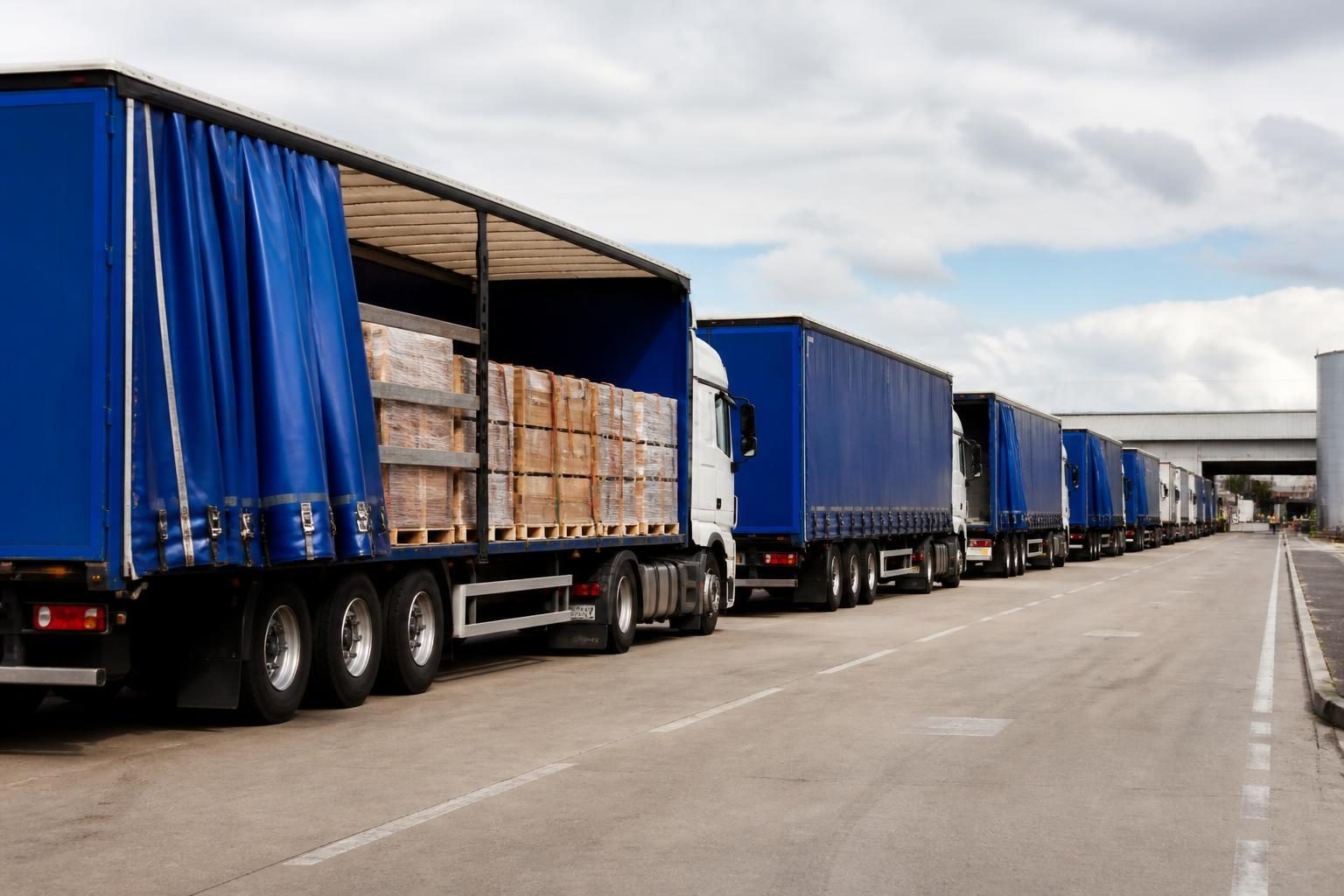
Cover for tractor units, rigids, trailers and the loads they carry, arranged for operators who run heavy goods vehicles every day. Specialist transport brokers compare insurers that understand haulage contracts, trailer swaps and depot operations.
- Tractor units, rigids and trailers on one schedule
- Goods in transit matched to your conditions of carriage
- Recovery, clean up and vehicle off road costs
Reviewed October 2026 by the MyBusinessComparison.com editorial team
What is HGV insurance?
HGV insurance is motor cover for heavy goods vehicles used in business, such as tractor units, rigid lorries, tippers and tankers. Haulage and logistics policies usually add trailers, goods in transit, breakdown and recovery, and liability for depots and warehouses, so the whole transport operation is insured together.
Goods vehicles over three and a half tonnes gross weight used for business generally need an operator's licence, and the operator is responsible for roadworthiness, safety inspections, drivers' hours and daily vehicle checks. Insurers look closely at how well those duties are met, because they shape both the accident record and the outcome of serious claims.
A haulier carrying for customers faces different risks from a business running its own lorries, so the right mix of sections depends on what you carry, for whom and where.
HGV and haulage insurance at a glance
- Suits
- Hauliers, own account operators and logistics firms running heavy vehicles
- Vehicles
- Tractor units, rigids, tippers, tankers and trailers of every type
- Compulsory part
- Third party cover on each unit and rigid, and on trailers while towed
- Usual additions
- Goods in transit, trailer interchange, recovery and depot liability
- Operator duties
- Licensed operation, safety inspections, drivers' hours and daily checks
- Rated on
- Claims experience, vehicles, loads, routes, drivers and compliance record
What does HGV and haulage insurance cover?
A haulage policy is assembled from the sections below. Limits, excesses and conditions differ between sections, so each needs checking against your contracts and the way you operate.
Third party liability
Claims from people hurt and property damaged in incidents involving your lorries. Heavy vehicles can do serious damage to bridges, buildings and roadside structures, so the property damage limit deserves a close look.
Damage to units and rigids
Repair or replacement of your vehicles after an accident, fire, theft or vandalism, including bodywork such as tipping gear and tank barrels.
Trailers and trailer interchange
Your own trailers, plus trailers belonging to others while in your care under interchange arrangements, a common requirement when swapping trailers with other operators.
Goods in transit
Your liability for customers' goods while loaded, in transit and in temporary storage, written to match the conditions of carriage you trade under.
Read more about cover for loads in transit
Recovery and clean up
Uprighting, recovery and towing of heavy vehicles after an accident, transferring the load, and clearing spilled fuel or cargo from the road.
Refrigeration breakdown
Spoilage of chilled and frozen loads when the refrigeration unit suddenly fails, usually subject to conditions on maintenance and temperature records.
Vehicle off road costs
Hire of a replacement unit or loss of use payments while a vehicle is repaired after an insured claim, so contracted work can continue.
Warehouse and depot liability
Goods stored for customers at your depot, and the yard, workshop and loading bay risks that sit outside motor cover.
Read more about warehouse insurance
Employers' and public liability
Injuries to drivers and yard staff during loading, sheeting and coupling, and to visitors and other drivers on your premises.
Read more about employers' liability cover
Further cover for transport operators
- Marine cargo: goods moving by sea or air as part of a freight forwarding or import operation
- Environmental liability: gradual pollution from depot fuel tanks and wash bays
- Legal expenses: defending the business and its drivers at licensing inquiries and in motoring cases
- Engineering inspection: inspection and breakdown cover for workshop lifts, compressors and fuel plant
Who needs HGV, haulage and logistics insurance?
Any business running heavy goods vehicles, whether carrying for customers or moving its own goods. These are the operations specialist transport insurers see most often.
Running vans rather than lorries? See commercial vehicle insurance or, for multi drop parcel work, courier and delivery insurance.
- General hauliers: curtainsiders and flatbeds carrying mixed loads for many customers
- Tipper and aggregate operators: quarry, construction and muck away work, often alongside construction contractors
- Temperature controlled carriers: chilled and frozen food and pharmaceutical loads where refrigeration failure is the main risk
- Tanker operators: fuel, chemicals, milk and bulk powders, where spillage and contamination dominate the risk
- Container hauliers: port work, container chassis and trailer interchange with shipping lines
- Pallet network members: trunking, hub work and local delivery under network conditions
- Own account distributors: wholesalers and manufacturers delivering their own goods in their own lorries
- Builders merchants: crane offload lorries and flatbeds delivering materials to sites
- Agricultural hauliers: grain, feed and livestock transport, often seasonal and rural
- Waste and skip operators: skip loaders, hook loaders and bulk waste vehicles
- Logistics and storage providers: warehousing, pick and pack and onward delivery for clients
- Heavy haulage and abnormal loads: plant, machinery and structures moved with escorts and special routing
How much does HGV and haulage insurance cost?
No two haulage operations are priced alike. These are the factors that weigh most with transport insurers.
Claims experience
The fleet's recent claims, how they happened and what changed afterwards. Insurers often want several years of history from each previous insurer.
Vehicles and trailers
Unit and trailer types, values and ages, and whether trailers are swapped with other operators.
Goods carried
Loads attractive to thieves, hazardous goods and high value cargo all push up the goods in transit rating.
Operating area
Local, national and international work, port and urban operations, and where vehicles park overnight with a load on.
Drivers
Driver ages and experience, how they are recruited and vetted, staff turnover and the use of agency drivers.
Compliance and safety
Maintenance records, inspection results, telematics, camera systems and the operator's compliance history.
What HGV and haulage insurance usually excludes
Haulage claims are more often lost on policy conditions than on scope. Check these line by line.
- Theft of goods from a loaded vehicle left unattended overnight outside the parking conditions in the goods in transit section
- Loads the insurer has not agreed, such as tobacco, alcohol, electronics or hazardous goods, unless declared and accepted
- Liability taken on under a customer's contract that goes beyond your standard conditions of carriage
- Work passed to subcontracted hauliers, unless subcontracting is declared and their own cover is checked
- Spoiled chilled loads where the refrigeration unit was not running, or temperature records were not kept
- Gradual pollution at depots, which needs environmental liability insurance
- Drivers without the right licence category for the vehicle, or without a current Driver CPC where one is needed
Haulage contractor or own account operator?
Insurers treat carrying for others very differently from carrying your own goods. This is how the two operations compare.
| Feature | Haulage contractor | Own account operator |
|---|---|---|
| What is carried | Customers' goods, for payment | The business's own goods and materials |
| Operator's licence | Standard national or international licence | Restricted licence, as no goods are carried for others |
| Goods cover | Liability to customers under conditions of carriage | The full value of your own goods |
| Loads and routes | Change from day to day and customer to customer | Usually predictable and repeated |
| Typical extras | Trailer interchange, subcontracted loads, warehouse liability | Cover alongside the business's commercial combined policy |
How to compare HGV and haulage insurance
Transport insurers price on evidence. A complete submission shows them a well run operation.
List vehicles and trailers
Each unit, rigid and trailer with type, value, age and registration, and any trailers you regularly swap.
Describe your loads and customers
Commodity types, average and peak load values, any hazardous goods and the conditions of carriage you trade under.
Set out where you operate
Routes, international work, depots, overnight parking arrangements and any subcontracting.
Collect claims and compliance records
Claims history from previous insurers, maintenance and inspection records, and driver vetting and training.
Compare cover against your contracts
Check goods in transit limits, trailer terms, refrigeration conditions and unattended vehicle conditions alongside price.
Ready to review your haulage cover?
Share your fleet, operating area, loads and claims experience, and a specialist transport broker will approach insurers.
Get an HGV quoteHGV, haulage and logistics insurance FAQs
How much does HGV insurance cost?
Premiums are built from your claims experience, the units and trailers you run, what you carry, where you operate, your drivers and your compliance record. Two hauliers of similar size can be rated far apart, which is why each part of the operation is examined.
Do hauliers need goods in transit insurance?
It is not compulsory, but most customers require it before they will give you work, and many set minimum limits in their contracts. The cover should match the conditions of carriage you trade under, so your liability and your insurance line up.
What is trailer interchange cover?
It covers damage to trailers owned by other operators while they are in your care, which is common in container, pallet network and contract work. Without it, damage to a swapped trailer may fall outside your motor policy.
Are loads passed to subcontracted hauliers covered?
Only if subcontracting is declared and accepted. Many insurers require you to check that subcontractors hold their own goods in transit and motor cover. Your customer will usually still hold you responsible if a subcontracted load is lost.
Does HGV insurance cover work in Europe?
It can. Many policies include international use if declared, but international carriage has its own liability terms, so the goods in transit section must be written to match them. Tell the broker which countries you run to and how often.
Can a new operator get HGV insurance?
Yes, though choice can be narrower without a claims record. Insurers look at the experience of the directors and transport manager, driver quality, maintenance arrangements and the type of work. A detailed submission helps a broker place a newer operation.
Is a bridge strike covered?
Damage to the bridge and any resulting costs fall under third party property damage, and damage to your vehicle under the own damage section. These claims can be large, so check the property damage limit and that drivers record vehicle heights.
Are high value loads covered as standard?
Usually not without agreement. Goods in transit sections often exclude or limit loads such as alcohol, tobacco, electronics and pharmaceuticals. Declaring them lets the insurer set terms, which may include security and parking conditions.
How do I get an HGV and haulage insurance quote?
Press the quote button on this page to reach a transport specialist. They will want your unit and trailer schedule, the loads and routes you run, previous insurers' claims records and maintenance files, which together form the submission insurers price from.
Ready to compare HGV and haulage insurance?
Vehicles, trailers, loads and depots insured together, arranged by a broker who works with transport operators every day.