Fleet, Motor and Transport Insurance for businesses on the road
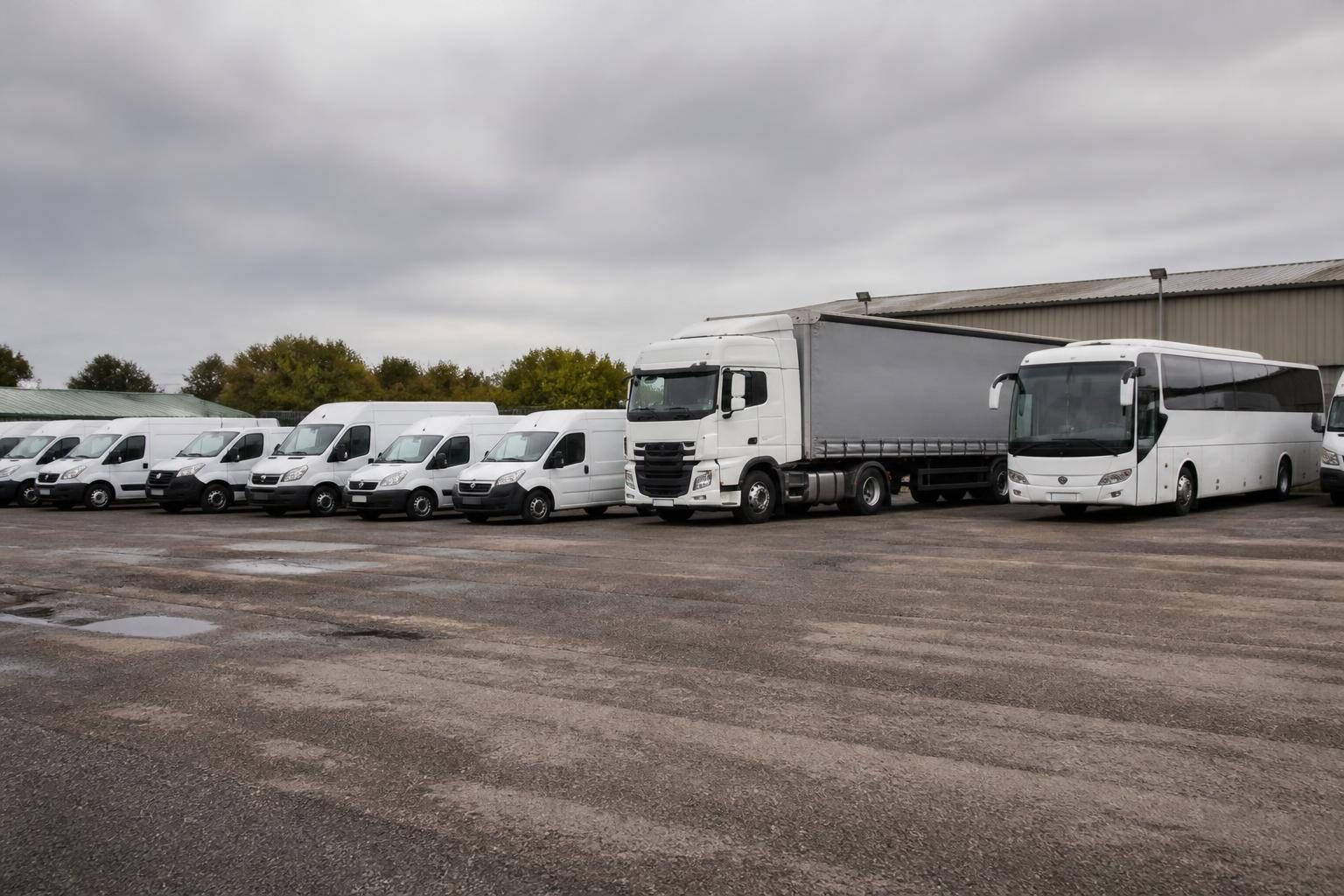
Motor and transport cover for businesses that run vans, lorries, coaches, taxis or delivery fleets, trade in vehicles or move goods for themselves and others. See which policy fits your operation and how the options compare.
- Vehicles, drivers, loads and cargo covered
- From a handful of vans to large mixed fleets
- Specialist motor and haulage brokers
Reviewed October 2026 by the MyBusinessComparison.com editorial team
What is fleet, motor and transport insurance?
Fleet, motor and transport insurance covers the vehicles a business runs, the people who drive them and the goods they carry. It ranges from cover for a few vans to fleet policies for mixed vehicles, specialist cover for haulage, passenger transport and motor traders, and cargo cover for goods moved by road, sea or air.
Motor cover is compulsory for any vehicle used on the road, but the right policy depends on what the vehicles do. Carrying your own goods, delivering for others, carrying passengers for payment and driving customers' vehicles are each rated differently, and a vehicle used outside the class of use on its certificate can leave a claim reduced or refused.
Motor and transport cover at a glance
- Compulsory part
- At least third party cover for every vehicle used on the road
- Key question
- Class of use: own goods, hire and reward, passengers or motor trade
- Fleet policies
- One policy and renewal for several vehicles, usually any driver
- Loads
- Covered separately under goods in transit or marine cargo
- Priced on
- Vehicles, drivers, use, mileage, security and claims experience
- Often required by
- Customer contracts, council licensing and finance or lease agreements
Which types of motor and transport insurance are there?
Choose the policy that matches what your vehicles do, then add cover for the goods they carry. Many operators hold more than one of these.
Commercial fleet
Cars, vans and trucks on one policy with one renewal, usually any driver cover and pricing based on the fleet's own claims experience.
Read more about commercial fleet insurance
Commercial vehicles
Vans, pickups and light trucks used to carry tools, materials and your own goods, insured individually or as a small group.
Read more about commercial vehicle insurance
HGV and haulage
Rigid and articulated lorries, trailers and operators' liability for hauliers and logistics firms carrying goods for customers.
Read more about HGV and haulage insurance
Courier and delivery
Vans and drivers delivering parcels and goods for payment, with hire and reward use and cover for multi drop work.
Read more about courier and delivery insurance
Taxi and private hire
Public hire and private hire vehicles and fleets, rated on licensing area, drivers and the type of work.
Read more about taxi and private hire insurance
Minibus and coach
Vehicles carrying passengers for schools, tours, contracts and private hire, with passenger liability and breakdown planning.
Read more about minibus and coach insurance
Motor trade
Road risks for driving customers' and stock vehicles, with premises, stock and liability cover for garages, dealers and bodyshops.
Read more about motor trade insurance
Goods in transit
Loss or damage to goods while carried in your own or hired vehicles, or your liability as a carrier for customers' goods.
Read more about goods in transit insurance
Marine cargo
Goods imported or exported by sea, air or road across borders, usually covered from the seller's warehouse to the buyer's.
Read more about marine cargo insurance
Specialist fleet and transport covers
- Business fleet: company cars and mixed vehicles used by staff, rather than goods carrying fleets
- Small business fleet: a first fleet policy for firms moving from individual vehicle cover
- Hire and reward: carrying goods for other people in return for payment
- Coach fleet: touring, school and contract coach operators
- Bus fleet: local and scheduled bus services with high passenger numbers
Who buys fleet, motor and transport insurance?
Any business whose vehicles, drivers or deliveries keep it running. These are the operators we see most, and the cover that usually suits them.
Vehicles part of a wider business? Many firms insure vans alongside their sector cover. See insurance by industry or trades insurance.
- Contractors and trade firms: vans and trucks carrying crews, tools and materials between sites
- Wholesalers and distributors: delivery vehicles and goods in transit for their own stock
- Manufacturers: vehicles delivering finished goods, and cargo cover for exports
- Hauliers and logistics firms: HGVs, trailers and carriers' liability for customers' goods
- Courier and parcel firms: multi drop vans on hire and reward use
- Firms delivering for others: any business paid to carry goods that belong to someone else
- Taxi and private hire operators: fleets of licensed vehicles and their drivers
- Coach operators: touring and contract coaches with passenger liability
- Bus operators: local services and school routes
- Schools, charities and community groups: minibuses carrying pupils, members and clients
- Garages, dealers and bodyshops: customers' vehicles, trade plates and road risks
- Firms with company cars: sales and service teams on the road every day
- Facilities and cleaning firms: vans moving teams and equipment between client sites
- Security firms: patrol and response vehicles running around the clock
- Importers and exporters: goods moving internationally under marine cargo cover
- Farms: tractors, trailers and farm vehicles used on public roads
How much does fleet and motor insurance cost?
Motor premiums are built from the vehicles, the drivers and the way they are used. These are the factors insurers weigh most heavily.
Vehicles
Type, value, weight and age of each vehicle. Heavier and higher value vehicles cost more to repair and cause larger claims.
Drivers
Ages, experience and licence history, or for any driver fleets, the youngest permitted age and how drivers are vetted.
Use
Own goods, hire and reward, passenger carrying and motor trade use are rated very differently, as are mileage and areas of operation.
Claims experience
Larger fleets are priced largely on their own claims record, so frequency and the cost of third party claims matter.
Risk management
Telematics, cameras, driver training, licence checks and accident reporting procedures can all improve terms.
Security and parking
Where vehicles are kept overnight, depot security, trackers and how loads are protected.
Where motor and transport policies leave gaps
These gaps are behind many refused or reduced motor and transport claims.
- Using vehicles for a purpose not shown on the certificate, such as delivering for others under an own goods policy
- Drivers outside the age, experience or licence terms of the policy
- Goods carried in the vehicle, which need goods in transit cover
- Loads left in unattended vehicles overnight without meeting the security conditions
- Tools and equipment left in vans, which usually need business equipment cover
- International journeys and exports, which may need marine cargo insurance
- Mechanical breakdown and wear and tear
Commercial fleet or motor trade insurance?
Both can cover dozens of vehicles, so garages, dealers and vehicle movers often ask which they need. The difference is whose vehicles are being driven.
| Feature | Commercial fleet | Motor trade |
|---|---|---|
| Vehicles covered | Vehicles the business owns, leases or hires for its own use | Customers' vehicles and trade stock in your custody |
| How vehicles are listed | On a schedule, or declared to the insurer at set points | Not listed, but limited by value and number |
| Vehicles parked at your site | Covered as part of each vehicle's own damage cover | Needs an on-site or internal risks section |
| Premises and liability | Arranged on separate policies | Can be combined on one motor trade policy |
| Usually suits | Firms whose vehicles support their main business | Garages, dealers, body shops and vehicle movers |
How to choose motor and transport cover
Getting the class of use and driver details right is the most important part of buying motor cover.
List vehicles and use
Registration, type, value and exactly what each vehicle does: own goods, deliveries for others, passengers or trade use.
Record your drivers
Ages, experience and licence history, and how you check licences and train drivers.
Note what you carry
Typical and maximum load values, and whether goods belong to you or your customers.
Gather claims experience
Fleet insurers usually ask for several years of claims experience from your current insurer.
Compare cover and conditions
Check excesses, driver restrictions, security conditions, territorial limits and courtesy vehicle terms.
Want help choosing the right policy?
Tell us about your vehicles and drivers and a specialist broker will compare motor cover for you.
Compare quotesChoosing fleet and motor insurance: FAQs
How many vehicles do I need for a fleet policy?
It depends on the insurer: some start at two or three vehicles, others at five or more. Once you run several vehicles with changing drivers, a fleet policy is usually simpler and lets the business build its own claims record.
What is the difference between hire and reward and carriage of own goods?
Carriage of own goods covers transporting your own tools, stock and materials. Hire and reward is needed when you are paid to carry goods belonging to someone else, such as courier and haulage work. Using the wrong class can leave a claim unpaid.
Does my van or fleet policy cover the goods I carry?
Usually not. Motor policies cover the vehicle and third party claims. Loss or damage to the load needs goods in transit insurance, which can cover your own goods or your liability as a carrier for customers' goods.
Should I choose goods in transit or marine cargo insurance?
Goods in transit suits loads moved by road within the UK. Marine cargo suits imports and exports by sea, air or international road, and usually covers the whole journey from warehouse to warehouse. Firms with both domestic and international movements often hold both.
Can our minibuses go on the fleet policy?
Often, yes, if staff drive them to carry employees, pupils or clients without charging fares. Once passengers pay for the journey, the vehicle needs passenger carrying cover and usually an operator's licence or permit, which minibus and coach insurance is set up for.
Can a fleet policy include company cars as well as vans?
Yes. Most fleet insurers accept mixed fleets of cars, vans and trucks on one schedule. Business use for cars and the right class of use for each goods vehicle should be shown on the policy.
How much does fleet insurance cost?
It depends on the vehicles, drivers, how the vehicles are used, mileage, security and claims experience. For larger fleets the claims record has the biggest effect, which is why telematics and driver risk management can make a real difference.
How do I get a fleet insurance quote?
Start by pulling together a vehicle schedule, driver details, the class of use for each vehicle and claims experience from your current insurer. Then send an enquiry from this page, and a broker who arranges motor and fleet cover picks it up with you.
Ready to compare fleet and transport cover?
Vehicles, drivers and loads insured on terms that match what your fleet actually does.