Listed Building Insurance for historic commercial buildings
Cover for historic hotels, offices, pubs, shops and venues where repairs must use traditional materials and approved methods. Compare cover through brokers who place listed commercial buildings.
- Rebuild cost valued for traditional materials and craft skills
- Longer indemnity periods for consent and specialist repairs
- Cover for owners, tenants and landlords of historic buildings
Reviewed October 2026 by the MyBusinessComparison.com editorial team
What is listed building insurance?
Listed building insurance is cover for a commercial building protected for its historic or architectural interest. It pays to repair or rebuild with matching materials and traditional craft methods, which usually costs far more than modern construction, and it allows for the extra time that heritage repairs and consents take.
It is a specialist part of commercial property insurance. The main difference is the sum insured, which must reflect reinstatement in like-for-like materials such as lime mortar, handmade bricks, natural slate, oak frames or decorative plaster, not the market value of the building. Repairs to listed buildings usually need consent from the local planning authority, so claims take longer to settle and complete.
Similar thinking applies to buildings in conservation areas, though the repair requirements there are usually lighter.
Listed building insurance at a glance
- Suits
- Owners and occupiers of historic hotels, pubs, offices, shops and venues
- Grading
- Separate grading systems in England and Wales, Scotland and Northern Ireland
- Sum insured
- Full reinstatement in traditional materials, from a heritage valuation
- Claims timescale
- Consent, specialist trades and materials can extend repairs
- Common causes of loss
- Fire, escape of water, theft of roof metal and storm damage
- Usually arranged by
- A broker using insurers with an appetite for heritage property
What does listed building insurance cover?
Cover follows the familiar property sections, adjusted for the cost and time of heritage repairs.
Like-for-like reinstatement
Repair or rebuilding in matching materials and methods, including stonework, timber framing, lime plaster, sash windows and ornate features, as the conservation officer may require.
Professional and consent fees
Architects, surveyors and heritage consultants needed to plan repairs and apply for consent, which can be a large part of a heritage claim.
Longer indemnity periods
Loss of rent or gross profit cover set for the realistic time to obtain consent, source materials and complete specialist work.
Read more about business interruption cover
Theft of roof metals
Lead, copper and other roof coverings stolen from historic buildings, plus the water damage that follows. Insurers often apply a lower limit unless roof alarms or forensic marking are in place.
Fire and escape of water
The main causes of serious heritage losses, made worse by hidden voids, timber structures and old wiring or plumbing.
Historic fixtures and features
Panelling, fireplaces, stained glass, staircases and decorative ceilings that form part of the protected fabric.
Property owners' liability
Claims from guests, staff and the public hurt on uneven floors, steep stairs or by falling masonry.
Read more about public liability insurance
Increased costs of working
Extra costs of trading from temporary premises, hiring equipment or moving staff while the building is out of use.
Extra cover for historic commercial buildings
- Engineering inspection: boilers, lifts and electrical systems fitted into older structures
- Legal expenses cover: disputes with contractors, neighbours or tenants over repairs
- Unoccupied cover: if a historic building is empty while it awaits sale, letting or restoration
- Renovation cover: when restoration work is planned, because hot work and opened up roofs change the risk
Who needs listed building insurance?
Any business that owns, or must insure, a listed building, including tenants whose lease puts the insuring duty on them.
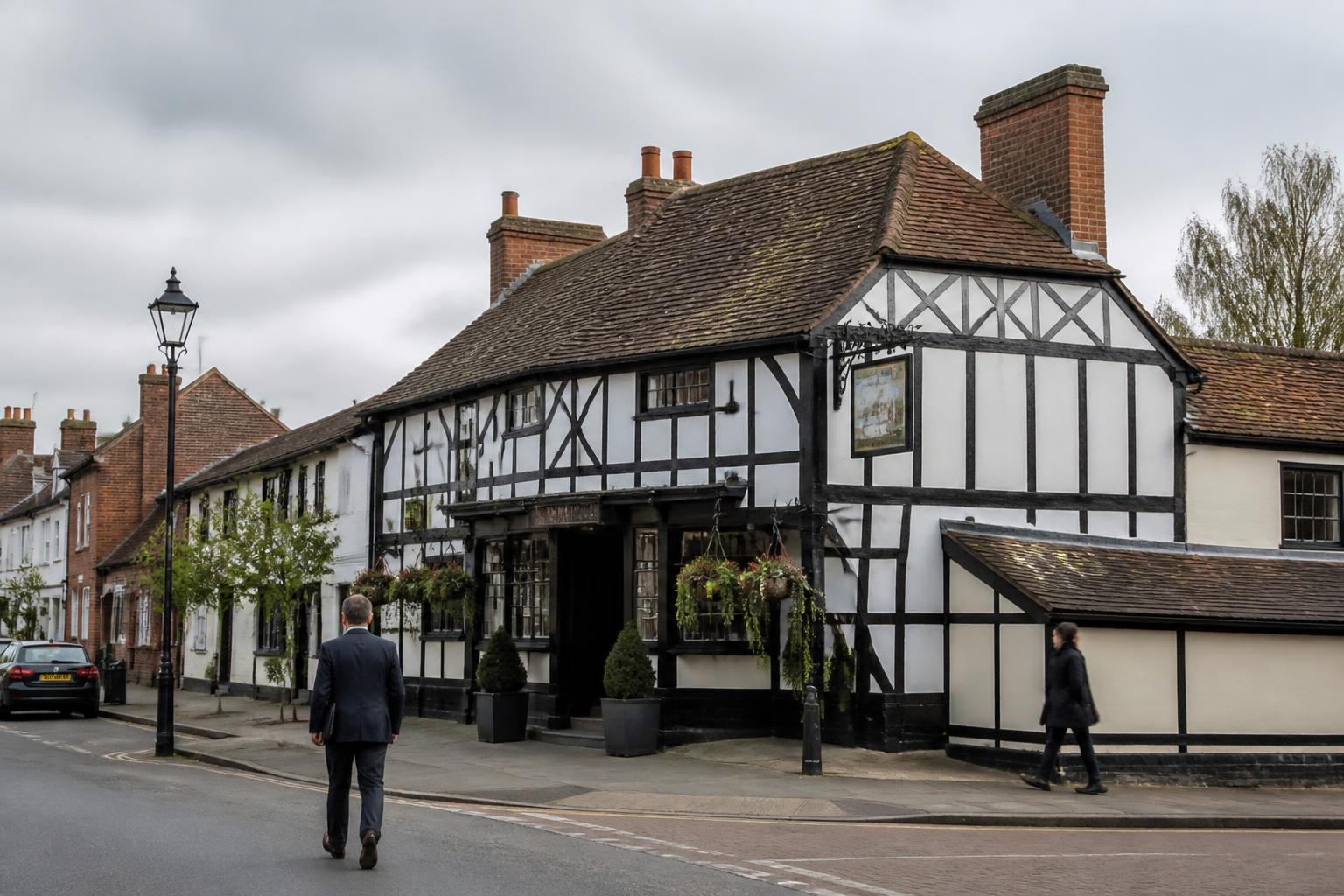
Building in a conservation area? Many of the same repair issues apply. See commercial property insurance for the standard approach, or the commercial property and landlord insurance hub.
- Hotels, inns and historic pubs: guest bedrooms, commercial kitchens and old timber structures under one roof
- Professional firms in period offices: Georgian and Victorian townhouses used as offices
- Retailers on historic high streets: shop fronts and upper floors that cannot be altered without consent
- Wedding and event venues: country houses, barns and halls hosting visitors and functions
- Farms with listed barns and buildings: traditional buildings used for storage, diversification or letting
- Property companies with historic stock: listed buildings held alongside modern units and valued separately
- Owners of listed mixed use buildings: shops below and flats above in a historic town centre building
- Owners of former mills and warehouses: converted to offices, workshops or studios, often with large timber floors
- Clinics and practices in period buildings: where patients on site add to the liability side
How much does listed building insurance cost?
Listed buildings cost more to insure mainly because they cost more to repair. These are the factors underwriters look at.
Reinstatement value
Rebuilding with traditional materials and craft trades produces a high sum insured, and the premium follows it.
Grade and features
Higher grades and buildings with significant interiors, such as painted ceilings or carved panelling, are more expensive to restore.
Construction and roof
Thatch, timber frame and lead roofs are each rated individually. Thatch in particular has its own specialist market.
Use of the building
A hotel kitchen or busy pub carries more fire risk than an office, and visitor numbers affect the liability side.
Wiring, heating and fire protection
Recent electrical inspections, modern heating, fire detection and fire separation within an old building all help.
Security and claims
Roof alarms, CCTV and metal marking reduce theft risk, and a clean claims record helps with terms.
What listed building insurance does not cover
Heritage claims are often reduced for reasons owners did not expect. These are the ones to check.
- Underinsurance where the sum insured reflects market value rather than heritage reinstatement, which can reduce a claim in proportion
- Gradual decay, rot, beetle infestation and damp caused by lack of maintenance
- Improvements beyond like-for-like repair, unless the authorities require them and the policy includes that cost
- Restoration or alteration the insurer was never told about, which needs renovation cover
- Theft of roof metal above any lower limit set in the policy
- Periods of vacancy beyond the policy limit, unless unoccupied cover is agreed
- Contents, stock and fit out belonging to tenants, which they insure under their own policy
Listed building cover or a standard commercial buildings policy?
A standard policy can be used for some listed buildings, but its settings need to change. This is the difference.
| Feature | Listed building cover | Standard buildings cover |
|---|---|---|
| Sum insured | Heritage reinstatement valuation | Modern rebuild rates |
| Repair method | Like-for-like materials and craft trades | Modern equivalent materials usually accepted |
| Indemnity period | Longer, to allow for consent and specialists | Shorter periods often enough |
| Professional fees | Heritage consultants and consent costs allowed for | Standard architect and surveyor fees |
| Insurer choice | Insurers with a heritage appetite | A wide general market |
How to arrange listed building insurance
The quality of the valuation decides how well a listed building claim goes. Start there.
Get a heritage reinstatement valuation
Use a chartered surveyor with listed building experience, and review it every few years or after any change.
Confirm the listing details
The grade or category, the official list entry and any features of particular interest.
Describe construction and services
Roof covering, frame, chimneys, the age of wiring and heating, and any fire detection.
Set the indemnity period
Allow for consent, specialist trades and materials, not just the building work itself.
Disclose planned works
Any restoration, repairs or alterations coming up, as these change the risk and may need extra cover.
Speak to a heritage property broker
Tell us about the building and its listing and a specialist broker will source quotes.
Get a quoteListed building insurance FAQs
How much does listed building insurance cost?
It depends on the heritage reinstatement value, the grade, the construction, how the building is used, its fire and security protection and the claims history. The rebuild figure has the largest effect, because traditional repair costs more than modern construction. A broker can show how each detail changes the quote.
Is listed building insurance more expensive than normal buildings cover?
Usually, because the sum insured is higher and repairs take longer. The rate itself is not always higher: a well maintained listed office with good fire protection can be rated much like a modern building. The difference mostly comes from the value being insured.
How do I work out the rebuild cost of a listed building?
Ask a chartered surveyor with heritage experience for a reinstatement valuation. It should allow for traditional materials, specialist trades, demolition and site clearance, professional and consent fees, and any features of particular interest. Market value and general rebuild calculators are not a reliable guide for listed buildings.
Will the insurer pay to rebuild exactly as it was?
Most heritage policies pay to reinstate the building as the authorities require, which usually means matching materials and methods. If the authorities allow modern materials for hidden elements, the claim follows that. Check the basis of settlement on your schedule so you know which applies.
Do I need consent before carrying out insured repairs?
Often, yes. Works that affect the character of a listed building usually need consent from the local planning authority, even after damage. Emergency work to make the building safe and weathertight can normally go ahead, but keep records and photographs and tell your insurer straight away.
Does listed building insurance cover lead theft from the roof?
Usually, though many policies apply a lower limit or higher excess for theft of roof metals. Roof alarms, forensic marking, anti-climb measures and CCTV can improve the terms. The water damage after a theft can cost more than the metal itself.
Can a tenant insure a listed building?
Yes. On a full repairing lease the tenant may have to insure the building, and the same heritage valuation and policy settings apply. Check what the lease requires, including whether the landlord must be named on the policy and who approves the insurer.
Are thatched commercial buildings harder to insure?
They need a specialist insurer, because thatch burns quickly and is costly to replace. Expect questions about chimneys, wood burners, spark arrestors, wiring in the roof space and fire retardant treatment. Some cases are placed in the high risk property market.
How do I get a listed building insurance quote?
Choose the quote button above and a broker who handles heritage property will get in touch. Have the listing grade, heritage valuation, construction details, use of the building, fire protection and claims history ready, along with any planned restoration work.
Compare listed building insurance
Cover that allows for traditional repairs and realistic timescales, arranged by brokers who place historic commercial buildings.