Agricultural and Farm Insurance for working farms and rural estates
Buildings, machinery, livestock, stored crops, farm vehicles and liability arranged around how your farm and any side businesses really operate. Specialist brokers compare agricultural cover for farms and estates with staff, land and equipment to protect.
- Barns, grain stores, machinery and livestock
- Liability for workers, walkers and produce sold
- Tractors, telehandlers and farm vehicles covered
Reviewed October 2026 by the MyBusinessComparison.com editorial team
What is agricultural and farm insurance?
Farm insurance is a specialist policy, or set of policies, for agricultural businesses. It usually covers farm buildings and the farmhouse, machinery and tools, livestock, crops and produce in store, employers', public and products liability, and farm vehicles, with extra sections for diversified income such as farm shops, holiday lets or contracting.
Farms carry risks most businesses never see in one place: hay and straw that can heat and ignite, valuable kit left in open yards, cattle near public footpaths, slurry and fuel close to watercourses, and family members, permanent staff and seasonal workers all on the payroll.
Agricultural insurers write these risks every day, so a farm policy usually includes cover a general commercial policy would leave out, such as livestock straying onto roads or machinery working in fields away from the main holding.
Farm insurance at a glance
- Suits
- Arable, livestock, dairy, mixed and diversified farms, estates and contractors
- Core sections
- Buildings, machinery, livestock, crops, liability and farm motor
- Compulsory parts
- Employers' liability if you have staff, and motor cover for road use
- Insurers ask about
- Acreage, enterprises, stock numbers, buildings, security and diversification
- Often added
- Environmental liability, engineering inspection and legal expenses
- Usually separate
- Livestock disease, hail damage to growing crops and some renewable energy
What does farm insurance cover?
Agricultural insurers offer the sections below and you pick the ones that match your enterprises. Values and limits are set section by section.
Farm buildings and farmhouse
Barns, livestock sheds, grain stores, workshops and the farmhouse against fire, storm, flood, theft and impact, at full rebuild cost.
Read more about commercial property insurance
Machinery and equipment
Tractors, combines, sprayers, telehandlers, GPS kits and workshop tools against theft, fire and accidental damage, in the yard or out in the field.
Read more about plant and machinery insurance
Livestock
Cattle, sheep, pigs, poultry and horses against death from fire, lightning, electrocution, theft and accidents, with options for animals in transit or at market.
Crops and produce
Grain, potatoes, hay, straw and fruit in store, plus growing and standing crops against fire. Cold stores can include cover for spoilage after breakdown.
Employers' liability
Injury to farm workers, including family members on the payroll, seasonal pickers and students. Most farms that employ anyone must hold it.
Read more about employers' liability insurance
Public and products liability
Walkers injured by cattle, livestock straying onto a road, mud on the highway, and illness linked to produce, meat or milk you sell.
Read more about public liability insurance
Farm vehicles
Tractors, trailers, pickups, quad bikes and self propelled machines used on public roads, usually on a farm motor or fleet policy.
Read more about fleet insurance
Business interruption
Lost income and extra costs after damage, such as buying in feed after a barn fire or hiring a mobile milking parlour.
Read more about business interruption insurance
Environmental liability
Clean up costs and claims when slurry, fuel, fertiliser or chemicals escape into land, ditches or rivers, beyond the sudden pollution cover in public liability.
Read more about environmental liability insurance
Farm diversification and extra cover
- Engineering inspection: examination of telehandlers, loaders, pressure systems and lifting gear
- Goods in transit: livestock, produce and machinery moved on your own lorries and trailers
- Shop cover: stock, tills and customers at a farm shop or cafe
- Legal expenses insurance: boundary, rights of way, tenancy and employment disputes
- Cyber cover: online sales, payment systems and fraud on supplier or grant payments
Which farming businesses do we help?
Every farm is rated on its own enterprises and buildings. These are the agricultural businesses brokers place most often.
Run a farm attraction or venue? See leisure business insurance and event insurance for open farms, weddings and festivals.
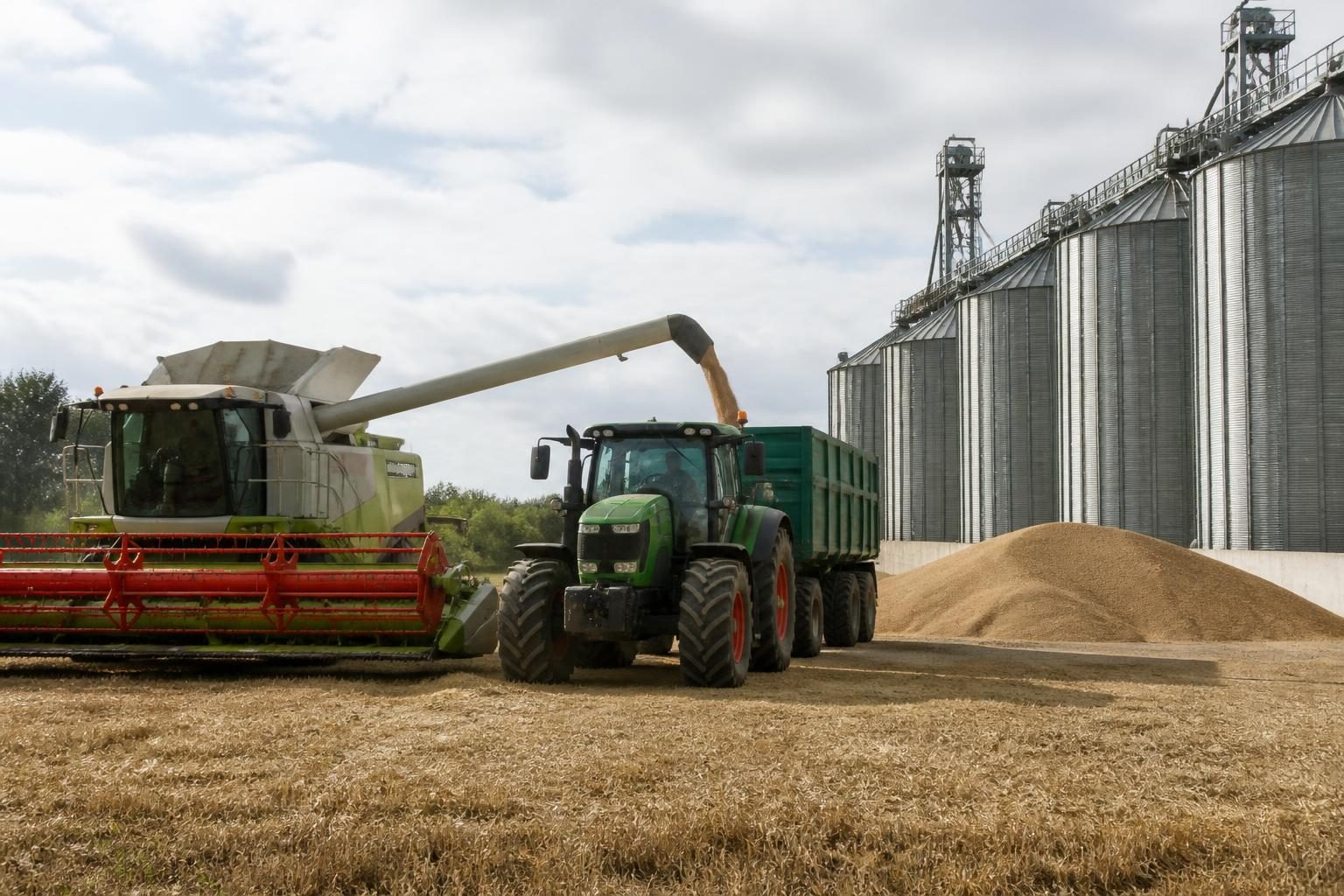
- Arable and cereal farms: grain stores, dryers, combines and crops in store at harvest
- Dairy farms: parlours, bulk tanks, herds and the income lost if milk cannot be collected or sold
- Beef and sheep farms: livestock on grazing near roads and footpaths, handling facilities and trailers
- Pig and poultry units: intensive housing, ventilation and feed systems where a power cut or fire can be severe
- Fruit, vegetable and horticultural growers: glasshouses, polytunnels, cold stores and large seasonal workforces
- Agricultural contractors: machinery working on other farms and on the road, with liability for damage to crops and land, often alongside plant cover
- Mixed farms and landed estates: several enterprises, let cottages, woodland and sporting rights on one schedule
- Equestrian and livery yards: stables, arenas and other people's horses in your care
- Vineyards and orchards: growing stock, processing equipment and wine or cider in store
- Farms with holiday lets and glamping: guests on the farm, cottage contents and lost bookings after damage
- Farms with shops, cafes and butcheries: food sold direct to the public, needing products liability and premises cover
- Farms with renewable energy: solar arrays, wind turbines and anaerobic digestion plants, often insured separately
- Farms with let buildings: redundant barns let as workshops or storage, linked to commercial landlord insurance
How much does farm insurance cost?
Farm premiums are built up section by section. These are the factors that make the biggest difference.
Enterprises on the farm
Dairy, intensive livestock, arable, horticulture and diversified businesses are each rated separately.
Buildings and their construction
Rebuild values, timber or steel frames, older stone buildings and what each building stores all count.
Machinery and security
Machinery values, where kit is kept overnight, immobilisers, tracking and security marking.
Workforce and wage roll
Permanent, family, casual and seasonal workers, and the tasks they carry out.
Public access and diversification
Footpaths, visitors, holiday guests and farm shop customers raise the liability exposure.
Claims and rural crime history
Past thefts, fires and liability claims, and what has been done since to prevent them.
What farm insurance often does not cover
Exclusions vary between agricultural insurers, but these are the gaps farmers most often meet.
- Livestock deaths and lost income from notifiable disease, which need a specialist livestock policy
- Hail damage to growing crops, usually placed with a specialist crop insurer
- Gradual pollution from slurry or fuel, unless environmental liability cover is added
- Diversified businesses not declared, such as holiday lets, events or contracting for neighbours
- Machinery left unsecured or without the immobilisers and tracking the policy requires
- Farm vehicles on public roads, unless insured under a motor or fleet policy
- Buildings left empty or derelict beyond the period the policy allows
Farm policy or a general commercial combined policy?
Some farms with business units consider a general commercial package. This is why most stay with an agricultural insurer.
| Feature | Farm policy | General commercial combined |
|---|---|---|
| Livestock and crops | Written as standard sections | Usually not available |
| Machinery in fields | Covered anywhere on the farm and on the road with the right sections | Often limited to listed premises |
| Straying livestock and footpaths | Liability built around farm risks | May need special terms |
| Farmhouse | Can sit on the same schedule as the business | Usually needs a separate home policy |
| Diversified income | Shops, lets and contracting added as sections | Better for business units than farming |
| Usually suits | Working farms and estates | Former farms now run as commercial premises |
How to arrange farm insurance
Agricultural insurers ask detailed questions. Having these ready leads to accurate terms and fewer gaps.
Map out every enterprise
Farming, contracting, lets, shops, events and energy, with the income from each.
List buildings and values
Each building's use, construction and rebuild cost, plus the farmhouse and any cottages.
Schedule machinery and vehicles
Make, value, security fitted and which vehicles go on public roads.
Confirm livestock, crops and staff
Stock numbers, crops in store at peak, wage roll and seasonal workers.
Compare the detail
Check theft conditions, stock limits, pollution cover, diversification sections and excesses.
Speak to an agricultural specialist
Give us a picture of your land, buildings, stock and enterprises, and an agricultural broker will compare farm policies.
Compare farm coverFarm insurance FAQs
How much does farm insurance cost?
It depends on your enterprises, buildings and their values, machinery and security, livestock and crops, wage roll, public access and claims history. A diversified estate with lets and a shop is priced very differently from a single enterprise arable farm.
Does farm insurance cover tractors on the road?
Not under the property section. Any tractor, trailer or machine used on public roads needs motor cover, usually through a farm motor or fleet policy. The farm policy can cover the same machines against theft and damage while working off road.
Are seasonal workers covered by employers' liability?
Yes. Casual, seasonal and student workers are employees for this purpose, and insurers ask about their numbers, tasks and training. Their wages, and those of family members on the payroll, are declared so the premium reflects the real workforce.
Am I liable if my cattle injure a walker on a footpath?
You can be. Claims usually turn on whether the keeper knew, or ought to have known, that the animals could be dangerous and took reasonable steps to manage it. Farm public liability covers these claims, and insurers will ask how livestock are kept away from rights of way, particularly cows with calves and bulls.
Does farm insurance cover livestock disease?
Most standard farm policies cover death from fire, lightning, accident and theft, but not losses from notifiable disease or movement restrictions. Specialist livestock policies can be arranged separately for that.
Is theft of farm machinery covered?
Yes, but insurers often set conditions such as immobilisers, tracking, security marking or locking kit away overnight. Quad bikes, GPS units and trailers are frequent targets, so the security terms on your schedule are worth checking.
Does my farm policy cover a holiday let or farm shop?
Only if the insurer has been told about it and added the right section. Diversified income changes the risk, bringing guests, customers and food sales, so each enterprise needs declaring at the start or as soon as it begins.
Do I need environmental liability insurance for a farm?
Many farms benefit from it. Public liability usually covers only sudden, accidental pollution. Environmental liability extends to gradual leaks and the cost of restoring land and water, which can be significant after a slurry or fuel escape.
How do I get a farm insurance quote?
Ask for a farm quote on this page and a broker with agricultural insurers on their panel will arrange to talk it through. Details of each enterprise, your buildings, machinery, livestock, peak crops in store, staff and past claims let them start straight away.
Compare insurance for your farm
Buildings, machinery, livestock, liability and diversified income arranged together by a broker who works with agricultural insurers.