Insurance by Industry cover built around your sector
Each sector has its own claims, its own contract demands and its own insurers who understand it. Find your industry to see the covers firms like yours usually combine and what insurers will ask.
- Sector by sector guides to the covers you need
- Packages built for how your industry works
- Brokers who place risks in your sector
Reviewed October 2026 by the MyBusinessComparison.com editorial team
What is industry specific business insurance?
Industry specific business insurance is a package of covers designed around the risks of one sector, such as manufacturing, hospitality or healthcare. It brings together the property, liability, income and specialist sections a typical firm in that industry needs, with terms written by insurers that understand how the sector operates.
Sector packages save time because the questions, limits and extensions already reflect how the trade works: food safety for restaurants, keys and client premises for cleaning firms, treatment risks for clinics. They still need tailoring to your own sites, contracts and activities, and larger or more complex firms often build a programme from separate policies instead.
Industry cover at a glance
- What it is
- Property, liability and specialist covers packaged for one sector
- Main benefit
- Questions, limits and extensions that already fit the trade
- Compulsory part
- Employers' liability, for most businesses with employees
- Common add ons
- Professional indemnity, cyber, goods in transit and fleet cover
- Priced on
- Activities, turnover, wage roll, premises, values and claims
- Alternative
- A tailored programme of separate policies for larger firms
Find business insurance for your industry
Choose your sector to see the policies firms like yours usually combine, the questions insurers ask and the gaps to watch for.
Manufacturing and engineering
Machinery, stock, products liability and interruption cover for factories, fabricators and engineering workshops.
Read more about manufacturing and engineering insurance
Wholesale and distribution
High stock values, warehouses, delivery vehicles and goods in transit for wholesalers, importers and distributors.
Read more about wholesale and distribution insurance
Retail and shops
Stock, shop fronts, glass, money and customers on site, for single shops through to multi-site retailers.
Read more about retail and shop insurance
Hospitality
Hotels, pubs and restaurants, where kitchen fires, food safety, guests and large teams shape the cover.
Read more about hospitality insurance
Leisure and entertainment
Gyms, venues, attractions and leisure centres with high visitor numbers and activity risks.
Read more about leisure business insurance
Offices and professional firms
Office contents, IT, professional indemnity and cyber for advisory, financial and creative businesses.
Read more about office and professional business insurance
Healthcare and medical
Clinics, practices and care providers needing premises, equipment and treatment risk cover.
Read more about healthcare business insurance
Cleaning and facilities management
Work on clients' premises, keys held, damage to client property and staff spread across many sites.
Read more about cleaning and facilities management insurance
Recruitment agencies
Temporary workers placed with clients, professional cover for placement errors and employment practices risks.
Read more about recruitment agency insurance
Security firms
Guarding, patrol, key holding and alarm response, with contract based liability limits.
Read more about security business insurance
Agriculture and farms
Farm buildings, machinery, livestock, crops and public access, with farm vehicles and diversification.
Read more about farm insurance
Specialist covers for particular sectors
- Technology company insurance: software, IT services and AI firms with technology liability and cyber needs
- Medical malpractice: treatment and advice risks for clinics and practitioners
- Event and contingency: cancellation, abandonment and liability for organisers and venues
- Motor trade: garages, dealers and bodyshops with premises and road risks combined
Specialist sectors and neighbouring trades
Some businesses sit inside a wider industry but need cover of their own. These are the niches and neighbouring sectors brokers are asked about most often.
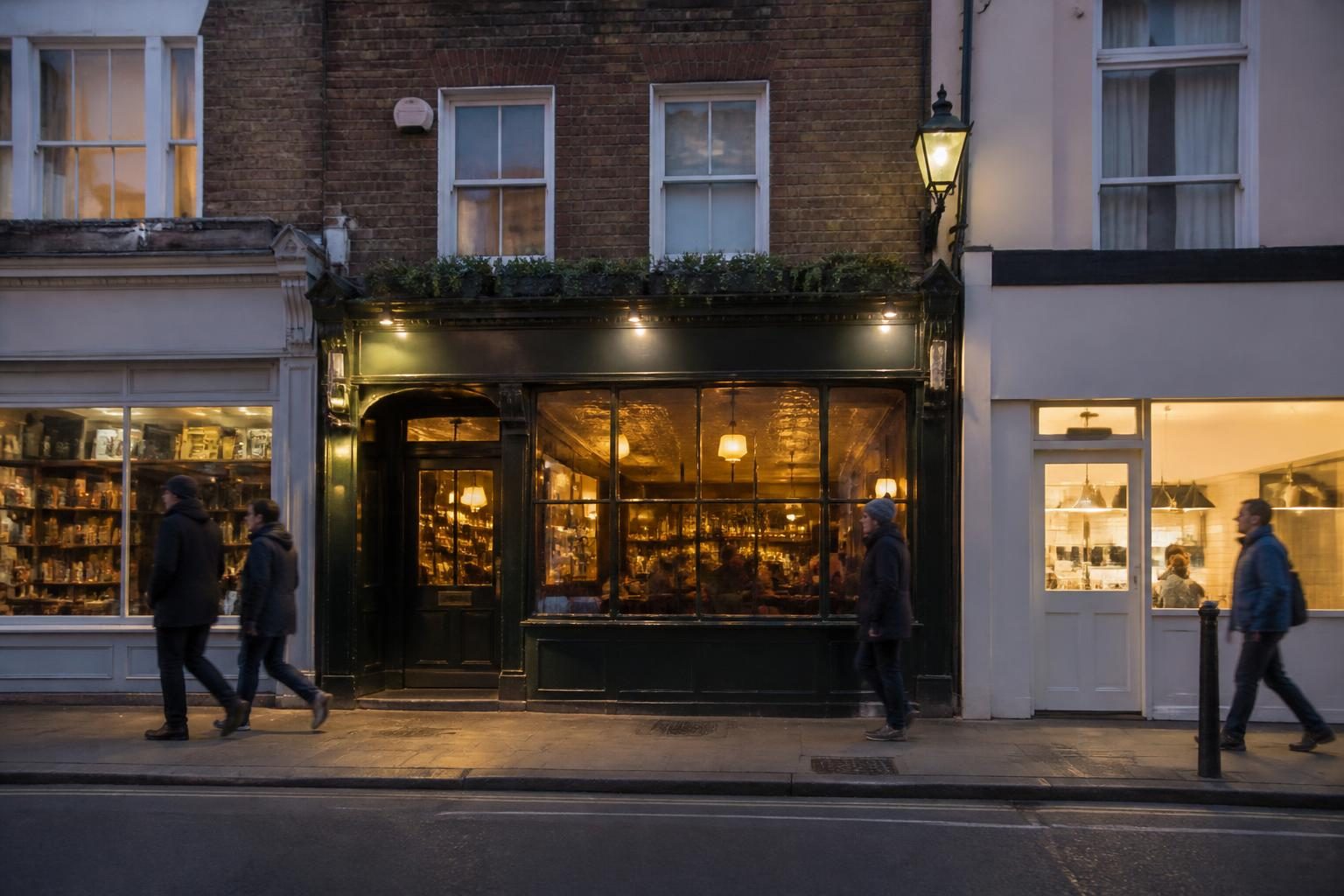
Need cover for a trade or contracting firm? See insurance for trade businesses or construction and engineering insurance.
- Pubs and bars: licensed premises, cellar equipment, entertainment and door staff
- Takeaways: hot food, fryer fire risk, late opening and delivery drivers
- Private clinics and practitioners: treatment and advice claims alongside premises cover
- Event organisers: cancellation, adverse weather and liability for audiences
- Technology and AI companies: technology professional liability, cyber and office cover together
- Construction companies: contract works, plant and contractors' liability
- Engineering firms: workshops and installation work at clients' sites
- Civil engineering contractors: infrastructure work with high liability limits
- Electrical contractors: installations and building services work
- Hauliers and logistics firms: vehicles, operators' liability and goods in transit
- Courier and delivery firms: vans on hire and reward use and parcels in transit
- Taxi and private hire operators: licensed vehicles and passenger liability
- Coach and minibus operators: passenger carrying vehicles and contracts
- Warehouse operators: customers' goods, racking and warehouse keepers' liability
- Commercial landlords: let property, loss of rent and owners' liability
- Property developers: sites, works and completed buildings awaiting sale
How much does industry specific insurance cost?
Every sector carries a different base rate. Within that, these are the factors that separate one firm's premium from another's.
Your exact activities
Insurers rate on what you actually do. A restaurant that deep fries, a manufacturer that welds or a clinic that offers cosmetic treatments sits in a different band from its neighbours.
Size of the operation
Turnover drives public and products liability, wage roll drives employers' liability, and values drive property and interruption premiums.
Premises
Construction, age, fire protection, security and the number of sites.
Contracts and clients
Liability limits demanded by customers, and liability you accept in contracts, change the cover needed.
Claims history
Insurers compare your record with others in the sector, so a good record in a high claims industry counts.
Sector controls
Food hygiene ratings, staff vetting, safety accreditations, maintenance records and training all signal a well run business.
Where sector packages leave gaps
Packages are built around a typical firm. These are the gaps that open when a business does something untypical.
- Activities outside the description on the schedule, such as a retailer that starts manufacturing or installing
- Professional advice or design, which needs professional indemnity insurance
- Cyber attacks and data breaches, unless a cyber section has been added
- Vehicles used on the road, which need fleet or commercial vehicle cover
- Exports and overseas work beyond the territorial limits
- Lost income from damage away from your premises, such as a fire at a key supplier, unless extended
- Directors' personal liability, which sits under management liability cover
Industry package or separate policies?
Most established firms choose one of these two routes. This is how they compare.
| Feature | Industry package | Separate policies |
|---|---|---|
| How it is built | Sections chosen from a sector policy | Each policy placed with its own insurer |
| Questions and terms | Already shaped around the trade | Tailored line by line |
| Renewals | Usually one schedule and one date | Several dates unless aligned |
| Flexibility | Limited to the sections the package offers | Any limit, insurer or extension |
| Usually suits | Firms that match their sector's typical profile | Larger, multi-activity or harder to place firms |
How to choose cover for your industry
A clear description of what you do is the single most important part of insuring a business by sector.
Describe every activity
Include secondary work, such as installation, delivery, events, consultancy or online sales.
List sites and assets
Premises, stock, machinery, vehicles and anything held for customers.
Check contract requirements
Customers and landlords often set liability limits and cover they expect to see.
Gather figures and history
Turnover, wage roll, values and claims details for the last few years.
Compare package and tailored options
Ask whether a sector package fits or whether separate policies would close gaps.
Want a broker who knows your sector?
Tell us what your business does and a broker who knows your sector will compare cover for you.
Compare quotesChoosing insurance by industry: FAQs
Why does my industry matter so much to insurers?
Claims patterns differ sharply between sectors, so insurers set terms by trade. The industry decides which insurers will quote, the questions they ask, the conditions they apply and the base rate before your own details are considered.
Is an industry package better than a commercial combined policy?
Neither is better in itself. Many sector packages are commercial combined policies with industry specific sections and extensions. A combined policy built from scratch offers more flexibility for larger or unusual firms, while a package can be quicker for a typical business.
What if my business operates in more than one industry?
Tell the broker about every activity. Insurers often rate a mixed business by its highest risk activity, and a package for the main trade may not cover the rest. A tailored programme or separate policies are often the answer for mixed businesses.
Which covers do most industries need?
Most established firms need employers' and public liability, cover for premises and contents, and business interruption. The industry then adds its own: products liability for manufacturers, professional indemnity for advisers, malpractice for clinics, goods in transit for distributors.
What if my industry is not listed?
Most businesses can still be insured on a combined policy or a tailored programme. Contractors and trades are covered in their own sections, and a broker can place businesses that fall between sectors.
Do insurers ask different questions by industry?
Yes. A restaurant will be asked about cooking methods and extraction cleaning, a cleaning firm about keys and client sites, a recruiter about temporary workers. Answering accurately matters, because incorrect answers can affect claims.
How much does business insurance cost by industry?
It depends on the sector, your exact activities, turnover, wage roll, premises, values and claims history. Two firms in the same industry can pay very different premiums if one has more risky processes or a weaker claims record.
How do I get a quote for my industry?
Choose your sector above or send a request from this page, and it is passed to a broker who places risks in that industry. A plain description of everything the business does, plus sites, turnover, wage roll and claims history, is enough to begin.
Ready to compare cover for your sector?
Insurance arranged by a broker who understands how your industry works and what can go wrong in it.