Commercial Landlord and Property Owners Insurance for companies letting premises
Cover for companies that own and let commercial buildings: the structure, the rent it earns and your liability as owner. A specialist broker can compare policies that reflect your leases, tenant trades and multi-let space.
- Rent protected while damaged units are repaired
- Owners' liability for common parts and the structure
- Tenant trades and lease terms reflected in the cover
Reviewed October 2026 by the MyBusinessComparison.com editorial team
What is commercial landlord insurance?
Commercial landlord insurance, also called property owners insurance, protects a company that lets commercial premises to tenants. It covers damage to the building, the rent lost while it cannot be occupied, and the landlord's exposure to claims arising from the state of the property or its common parts.
It differs from an occupier's policy because the landlord's interest is financial: the value of the building and the income it produces. The tenant's business, staff and stock sit on the tenant's own insurance, while the lease decides who insures the structure and who pays for it.
Most commercial leases have the landlord arrange the buildings cover and recover the premium from tenants as insurance rent. That makes the policy part of the lease, so the perils insured, the rent cover period and the way tenants are named all need to match what the lease promises.
Commercial landlord insurance at a glance
- Suits
- Companies, funds and trusts letting shops, offices, units or mixed use buildings
- Core sections
- Buildings, loss of rent, property owners' liability
- Premium
- Commonly recharged to tenants under the lease as insurance rent
- Rated on
- Rebuild value, rent roll, tenant trades, vacancy and location
- Key condition
- Telling the insurer when a tenant leaves or changes trade
- Not included
- Tenants' own contents, stock and business interruption
What does commercial landlord insurance cover?
A landlord policy protects the building, its income and your position as owner. These are the sections most companies letting commercial space choose.
Buildings
The structure, landlord's fixtures, shopfronts, car parks and boundary walls, insured for the full cost of rebuilding, with debris removal and professional fees.
Read more about commercial property insurance
Loss of rent receivable
The rent you cannot collect after fire, flood or other insured damage, for an indemnity period that should match the lease. Lost service charge can usually be added.
Property owners' liability
Claims from tenants' customers, visitors, contractors and passers-by injured because of the structure, a defect or a hazard in shared areas such as stairs, car parks and entrances.
Read more about public liability insurance
Common parts and landlord's contents
Lifts, stairwells, entrance halls, communal furniture, door entry systems and car park barriers that you own and maintain.
Tenants named on the policy
Many insurers will note tenants' interests and agree not to pursue them for damage they accidentally cause, which keeps the lease working after a claim.
Empty units between lettings
Cover for units that fall vacant, usually for a set period and subject to inspection and security conditions agreed with the insurer.
Read more about unoccupied property insurance
Vandalism to let units
Deliberate harm to the building by intruders or vandals, which insurers often narrow once a unit falls vacant, the very point it is most exposed.
Alternative accommodation for flats above
For mixed use buildings, the cost of rehousing residential occupiers while their flats above the shops are repaired.
Read more about mixed use property cover
Extra cover landlords often add
- Commercial legal expenses: lease disputes, recovering arrears and regaining possession of a commercial unit
- Terrorism cover: damage and loss of rent from terrorist acts, a common lease requirement in town and city centres
- Engineering inspection: inspection of passenger lifts, boilers and plant serving the common parts
- Employers' liability: where you employ caretakers, cleaners or maintenance staff at the building
Who needs commercial landlord insurance?
Any company or organisation that owns a building and lets it to business tenants. These are the owners it is most often arranged for.
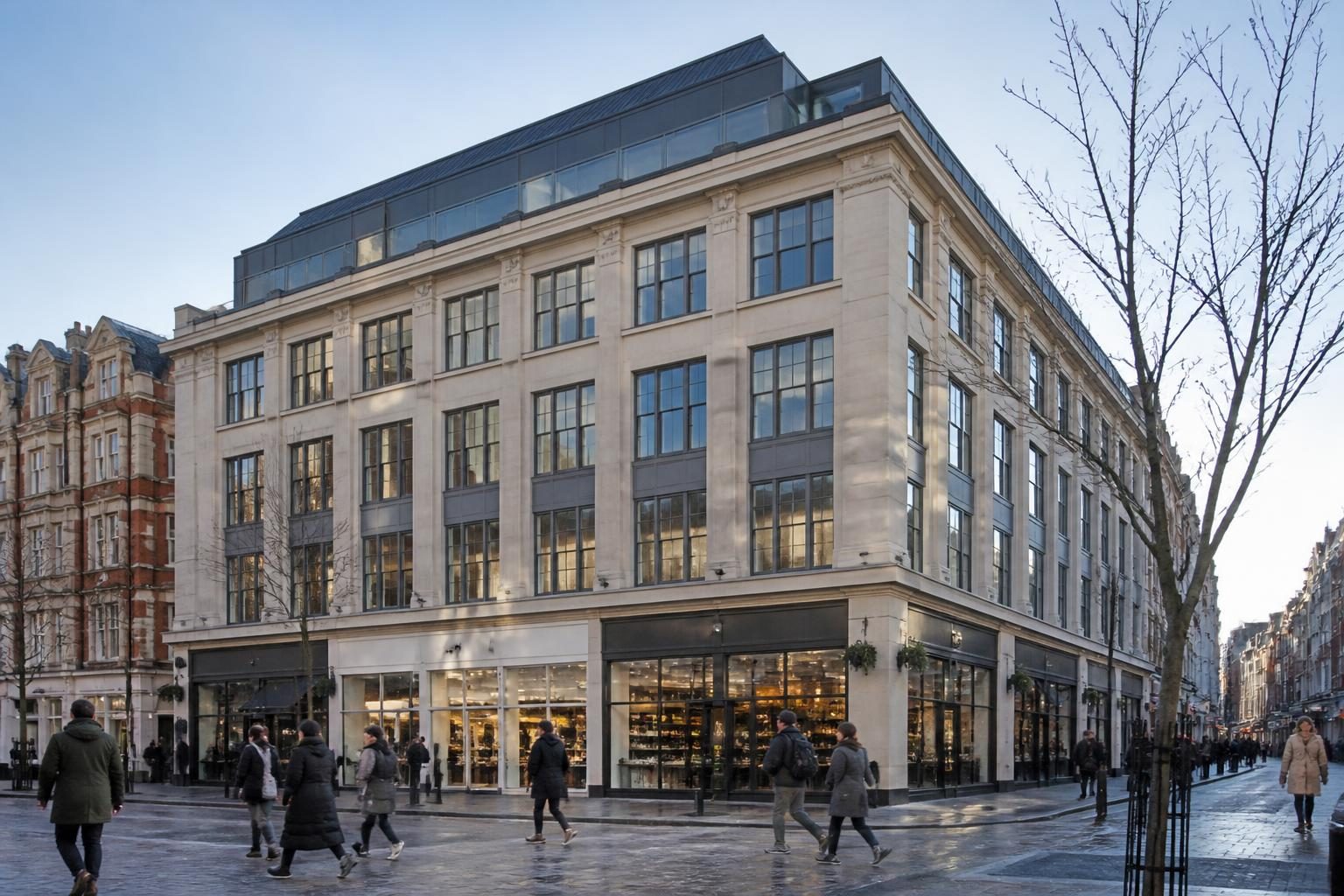
Own more than a few buildings? Several let properties can sit on one portfolio policy with a single renewal and one set of terms.
- Property investment companies: multi-let offices, retail parades and industrial estates held for rental income
- Family property companies: a handful of freeholds built up over the years, often let on long leases to local businesses
- Company pension schemes: schemes that own the sponsoring firm's premises and let them back to the business
- Owners of mixed use buildings: shops or restaurants at street level with offices or flats above
- Industrial estate owners: units let to manufacturers, trade counters and storage firms, where tenant processes shape the risk
- Office building owners: multi-let office space with shared receptions, lifts and plant
- Retail parade owners: rows of shop units with mixed tenants and a high street setting
- Owners of let pubs and restaurants: buildings let to operators, where the tenant's kitchen and trade matter to the insurer
- Freehold companies: companies holding the freehold of mixed blocks and responsible for insuring the structure
- Charities and trusts: endowment property let to commercial tenants to fund the organisation's work
- Estates letting converted buildings: barns, yards and farm buildings converted into workshops and offices for business tenants
- Owner-occupiers that sublet: firms letting a surplus floor or unit to another business while occupying the rest
How much does commercial landlord insurance cost?
The premium follows the building and the people in it. Two identical units can be rated very differently because of what the tenants do.
Tenants' trades
A takeaway with deep fat fryers, a vehicle repair shop or a timber store carries more fire risk than an estate agent or a dental practice, and is rated accordingly.
Rebuild value
The reinstatement cost of the structure sets the buildings premium; a value that is too low leaves the landlord carrying part of every claim.
Rent roll and indemnity period
The annual rent and the number of months or years of cover chosen set the loss of rent premium.
Vacancy
Empty units are more exposed to arson, vandalism and undetected leaks, so vacant space can mean extra conditions or a higher premium.
Building and location
Construction, age, flood and subsidence exposure, crime levels and the condition of the roof and services all count.
Claims and management
A record of few claims, planned maintenance and active management of common parts supports better terms.
What commercial landlord insurance does not cover
Landlord claims are most often refused or reduced for these reasons.
- Unpaid rent when a tenant simply stops paying; loss of rent cover only responds to insured damage
- Tenants' own stock, contents, improvements and lost trading income, which belong on the tenant's commercial combined or property policy
- Damage linked to a change of tenant trade that the insurer was never told about
- Vacant units kept on standard terms after the permitted vacancy has run out
- Maintenance issues: wear and tear, blocked gutters, failed flat roofs and gradual leaks
- Liability arising from the tenant's own business activities, which falls under the tenant's public liability cover
- Professional advice given as a managing agent, which needs professional indemnity insurance
What does the landlord insure and what does the tenant insure?
The lease sets the split, but most commercial lettings follow this pattern. Gaps appear when each side assumes the other has a risk covered.
| Feature | Landlord's policy | Tenant's policy |
|---|---|---|
| Structure and landlord's fixtures | Usually insured by the landlord | Insurance rent paid to the landlord |
| Fit-out and improvements | Only if the lease says so | Usually the tenant's responsibility |
| Stock, equipment and contents | Not covered | Covered on the tenant's own policy |
| Income after damage | Loss of rent | Business interruption for lost profit |
| Liability | Owners' liability for the structure and common parts | Public and employers' liability for the business |
How to arrange commercial landlord insurance
Landlord cover has to fit the leases as well as the building, so start with the paperwork.
Read the insuring covenants
Note the perils the lease requires, the rent cover period, any terrorism clause and whether tenants must be named.
List each tenant and trade
Give the business name, what they do on site, lease expiry and the rent for every unit.
Confirm values
Rebuild cost from a recent valuation, annual rent roll and any service charge you want protected.
Flag vacant or changing space
Units empty now, leases ending soon and any planned refurbishment or change of use.
Check the terms against the leases
Compare excesses, unoccupancy conditions, waiver of rights against tenants and how tenant changes are notified.
Letting commercial space?
Give us the building, tenant and rent details and a specialist broker will set out the choices.
Get a landlord quoteCommercial landlord insurance FAQs
How much does commercial landlord insurance cost?
It depends on the rebuild value, the rent roll, what each tenant does, any vacant space, the building's location and its claims record. Tenant trades often make the biggest difference, so an accurate tenant schedule gives the broker the strongest starting point.
Can I recharge the premium to my tenants?
Usually, yes, if the lease allows it. Most commercial leases let the landlord insure the building and recover the cost as insurance rent. Tenants can often ask to see a summary of the cover, so keep the schedule and renewal details to hand.
Does landlord insurance cover rent a tenant fails to pay?
No. Loss of rent cover pays when insured damage, such as a fire or flood, stops the unit being used. Arrears from a tenant that stops paying are a credit risk; legal expenses cover can help with the cost of recovering them.
How long should the loss of rent cover last?
Long enough to rebuild and relet. Many commercial leases specify the period, commonly several years for a full rebuild, and complex or listed buildings may need longer. Match the indemnity period to the lease and to a realistic rebuild timetable.
What happens if a tenant changes the way they use the unit?
Tell the insurer before or as soon as it happens. A change from offices to a restaurant, or from storage to manufacturing, alters the fire and liability risk. Undisclosed changes are a common reason for landlord claims being disputed.
Are units covered when a tenant moves out?
For a limited time. Most policies keep full cover for a set number of days of vacancy, then restrict perils or add inspection conditions. Tell the broker when a lease ends so cover can be adjusted or moved to an unoccupied property policy.
Can a mixed use building with flats above shops go on a landlord policy?
Yes. Insurers write mixed use buildings routinely, with the commercial and residential parts declared separately. Expect questions about the ground floor trade, fire separation between floors and access to the flats.
Do I need employers' liability as a commercial landlord?
Only if the company employs people, such as a caretaker, cleaner or maintenance operative working at the building. Contractors who run their own businesses should carry their own insurance, which is worth checking before they start work.
How do I get a commercial landlord insurance quote?
Request one through the quote button and a specialist broker will contact you. It helps to have the rebuild value, a tenant schedule with trades and rents, the insuring clauses from each lease, any vacancies and recent claims to hand.
Ready to compare commercial landlord insurance?
Buildings, rent and owners' liability arranged around your leases and tenants by a specialist property broker.