Commercial Property and Landlord Insurance for owners, landlords and occupiers
Buildings cover for firms that own or occupy their premises, landlords letting to tenants, investors with portfolios and developers with sites. See which type of policy fits your property and how the options differ.
- Single buildings to whole portfolios
- Let, owner occupied, empty or under works
- Specialist brokers for harder to place property
Reviewed October 2026 by the MyBusinessComparison.com editorial team
What is commercial property and landlord insurance?
Commercial property and landlord insurance covers buildings used for business, and often their contents, against fire, flood, storm, theft, escape of water and other damage. Landlord versions add loss of rent and property owners' liability, while specialist policies cover portfolios, development sites and buildings left empty or under renovation.
The right policy depends less on the type of building than on how it is used: occupied by your own business, let to tenants, held as part of a portfolio, being developed or standing vacant. Each changes what insurers ask, the sections you need and the conditions that apply.
Commercial property cover at a glance
- Covers
- Buildings, landlord's contents, rent and property owners' liability
- Sum insured
- Full rebuild cost, including demolition and professional fees
- Main choice
- Owner occupier, landlord, portfolio, development or unoccupied
- Often required by
- Mortgage lenders and the terms of a lease
- Priced on
- Construction, use, tenants, location, flood risk and claims
- Often added
- Terrorism and engineering inspection of lifts and boilers
Which types of property insurance are there?
Each policy is built for a different way of holding property. Choose the one that matches how your buildings are used today, and review it when that changes.
Commercial property
Buildings and contents cover for offices, shops, industrial units and other premises, whether owned by the business or held on a full repairing lease.
Read more about commercial property insurance
Commercial landlords
Cover for owners letting to business tenants, with loss of rent, property owners' liability and cover for common parts and landlord's fixtures.
Read more about commercial landlord insurance
Warehouses and storage
Buildings, racking and goods held for customers, with liability as a warehouse keeper and cover for stock owned by others.
Read more about warehouse insurance
Property portfolios
Several buildings on one policy with one renewal date, consistent terms and the flexibility to add or sell properties during the year.
Read more about property portfolio insurance
Property developers
Cover for land, existing buildings, new build and conversion works, plus the liability that comes with owning and developing a site.
Read more about property developers insurance
Unoccupied property
Buildings that are empty between tenants, awaiting sale or awaiting works, which standard policies limit after a set period vacant.
Read more about unoccupied property insurance
Specialist property covers
- Industrial property: factories, workshops and units with process risks from tenants
- Mixed use property: shops or offices with flats above, insured as one building
- Listed buildings: rebuild with matching materials and specialist trades
- High risk property: flood areas, poor claims records, non-standard construction or hard to place tenants
- Property under renovation: existing structures and works while a building is refurbished or converted
- Terrorism cover: damage and loss of rent from terrorism, often required by lenders
Who buys commercial property and landlord cover?
Owners and occupiers of every kind of commercial building. These are the most common buyers, and the policy that usually suits each.
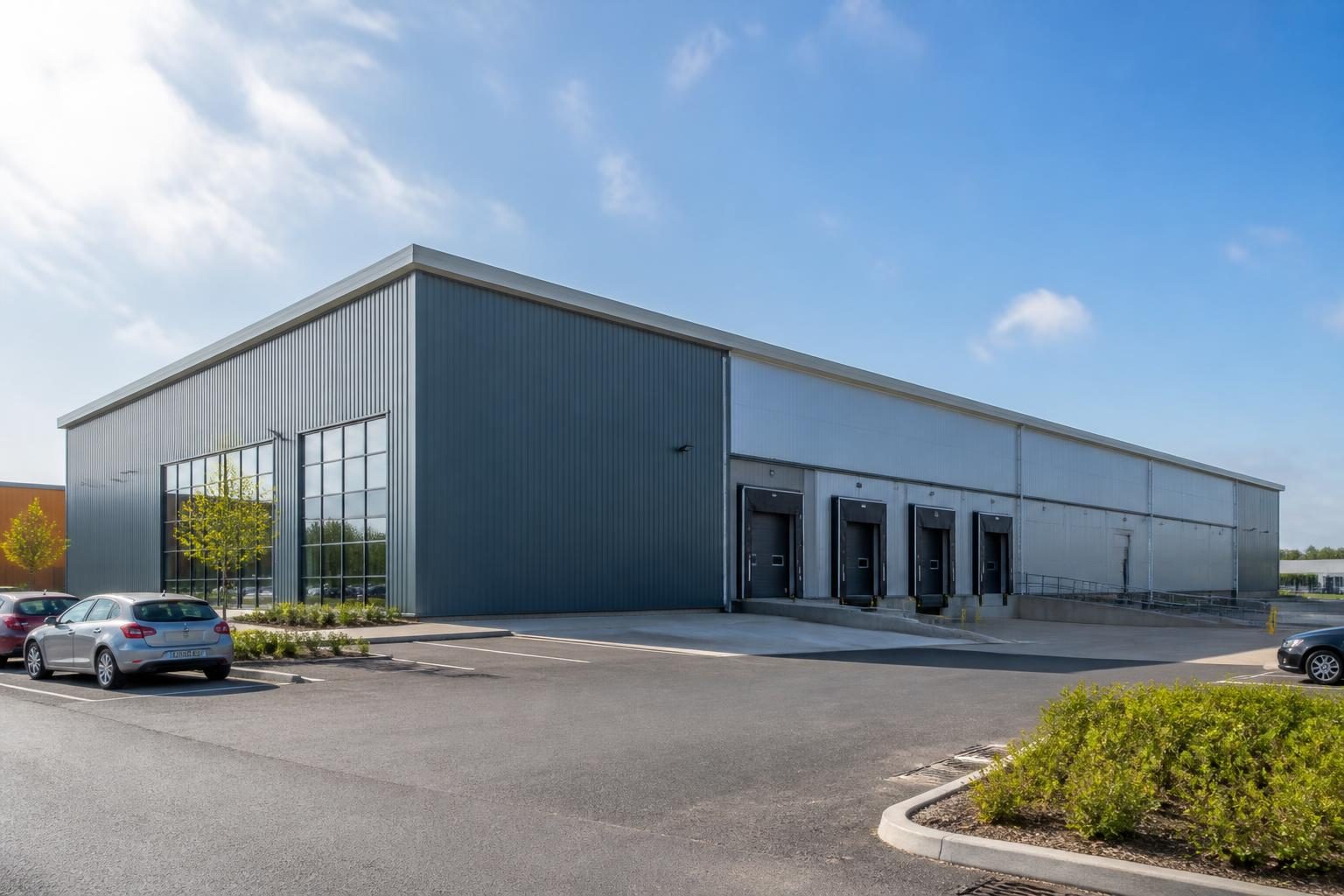
Property used for your own trade? Owner occupiers often insure premises within a sector package. See industry cover or trades insurance.
- Landlords of shops, offices and units: a landlord policy with loss of rent and property owners' liability
- Freeholders and management companies: buildings cover for blocks and common parts, recharged to leaseholders
- Property investors: growing holdings that need consistent cover as buildings are bought and sold
- Portfolio landlords: one schedule for many buildings, mixed tenants and different uses
- Developers and builders: site, structure and works cover from purchase through to sale or letting
- Owners of mixed use buildings: commercial ground floors with residential above, insured together
- Owners of listed and historic buildings: rebuild values that reflect traditional materials and methods
- Industrial estate owners: units let to manufacturers, trade counters and workshops
- Warehouse and logistics operators: high value stock, racking and customers' goods on site
- Owner occupiers: premises cover alongside stock, income and liability on a combined policy
- Retailers: shop fronts, glass and stock across one or more sites
- Hospitality owners: hotels, pubs and restaurants with kitchens and trade risks under one roof
- Office owners and occupiers: lower risk buildings with valuable fit out and IT
- Owners of empty buildings: vacant premises needing inspections and security to stay covered
- Owners of harder to place property: flood exposure, previous claims or unusual construction
How much does commercial property and landlord insurance cost?
Premiums are built mainly on the rebuild value and how likely the building is to suffer a loss. These are the factors insurers look at most closely.
Rebuild value
The sum insured drives the premium. It should reflect rebuilding, not market value, and many owners commission a reinstatement valuation every few years.
Construction
Brick and slate rate differently from timber frame, insulated panels or flat roofs. Non-standard materials narrow the market.
Use and tenants
What happens inside matters. A takeaway, workshop or nightclub tenant carries more fire risk than an office or shop.
Location and flood
Flood history, subsidence, crime levels and proximity to other risks all affect terms.
Occupancy
Empty buildings attract stricter conditions and higher rates; occupied, well managed buildings attract the widest choice.
Protection and upkeep
Alarms, fire detection, sprinklers, roof and electrical maintenance and a clean claims record all help.
Where property policies leave gaps
These are the limits and exclusions that cause most disputes on property claims.
- Underinsurance, where a rebuild value set too low reduces every claim in proportion
- Theft, escape of water and malicious damage once a building has been empty longer than the policy allows, unless unoccupied cover is arranged
- Tenant changes not reported to the insurer, especially a move to a higher risk use
- Wear and tear, gradual deterioration, damp, rot and lack of maintenance
- Terrorism, unless terrorism cover has been added
- Structural works and conversions, which need cover for the works or a renovation policy
- Breakdown of lifts, boilers and plant, which belongs under engineering breakdown cover
Commercial property or commercial landlord insurance?
The building may be identical. What differs is who occupies it and what the owner could lose.
| Feature | Commercial property | Commercial landlord |
|---|---|---|
| Who buys it | Owners or leaseholders who occupy the premises | Owners letting premises to tenants |
| Income protected | Trading profit, through business interruption | Rent, through loss of rent cover |
| Contents covered | The business's own contents and stock | Landlord's fixtures, fittings and common parts |
| Liability included | Public liability for the business operating there | Property owners' liability for the building itself |
| Main questions | Your own trade, stock and processes | Tenant trades, lease terms and periods vacant |
| Usually arranged as | A section of a combined or package policy | A standalone or portfolio landlord policy |
How to choose commercial property cover
Getting these details right at the start avoids underinsurance and gives insurers what they need to quote.
Confirm how each building is used
Owner occupied, let, part let, empty, under development or mixed use, and the trade of every tenant.
Check your rebuild values
Use a recent reinstatement valuation where you can, including demolition, site clearance and professional fees.
Read your leases and loan terms
Note who must insure, the perils required, any noting of interests and the loss of rent period expected.
Gather risk details
Construction, age, roof type, alarms, fire protection, flood history and recent improvements.
Compare terms side by side
Look at unoccupancy conditions, excesses, loss of rent periods and any tenant restrictions as well as price.
Want a broker to check your values?
Tell us about your buildings and a specialist broker will compare property cover for you.
Compare quotesChoosing commercial property insurance: FAQs
Do I need commercial property or landlord insurance?
If your own business occupies the building, commercial property cover, often inside a combined policy, is the usual fit. If tenants occupy it, a landlord policy adds loss of rent and property owners' liability. Part let buildings can be insured on one policy covering both.
When does it make sense to move to a portfolio policy?
Once you own several buildings, one portfolio policy usually brings them under a single renewal with consistent cover and the ability to add properties mid term. Insurers vary on how few buildings they will accept, so it is worth asking a broker early.
Who insures the building when it is let: landlord or tenant?
The lease decides. In multi let buildings the landlord usually insures and recharges the premium. Under some single let leases the tenant insures. Check the lease, because a building can end up uninsured, or insured twice, when each side assumes the other has it covered.
What happens to my cover if the building becomes empty?
Most policies restrict cover once a building has been vacant for a set period, typically cutting theft, water and malicious damage cover and adding inspection and security conditions. Tell your insurer straight away and consider unoccupied property insurance if it will stay empty.
Does a developer need different cover from a landlord?
Yes. A developer needs cover for the site, any existing structure and the works themselves, plus liability during construction. A landlord's policy assumes a finished, occupied building. Once a development is complete and let, it usually moves to a landlord or portfolio policy.
How do I insure a listed or historic building?
Rebuild costs are higher because repairs may need matching materials, specialist trades and consent before work starts. A listed building policy uses a rebuild value that reflects this, so a standard valuation is rarely enough.
How much does property and landlord insurance cost?
It depends mainly on the rebuild value, construction, use and tenants, location, flood risk, occupancy and claims history. Two buildings of similar size can be priced very differently if one has a higher risk tenant or a history of escape of water.
How do I get a quote for my buildings?
Send your details with the button on this page, and a specialist broker will follow up about your buildings. Have the address, rebuild value, construction, use and tenant details, occupancy status and claims history for each building ready to speed things up.
Ready to compare property cover?
From a single unit to a mixed portfolio, a specialist broker can match the policy to how your buildings are used.