Leisure and Entertainment Business Insurance for venues and operators
Insurance for gyms, attractions, venues and activity centres that welcome the public every day. Compare cover through specialist brokers who understand participant injuries, crowds and seasonal trading.
- Liability for visitors, members and participants
- Property, equipment and lost income covered
- Sites, events and activities on one programme
Reviewed October 2026 by the MyBusinessComparison.com editorial team
What is leisure and entertainment business insurance?
Leisure and entertainment business insurance covers venues and operators that host the public for sport, fun or culture. It usually combines public liability for visitors and participants, employers' liability, cover for buildings and equipment, income lost after damage, and extensions for activities, events and abuse claims where children or vulnerable people attend.
The activities you run decide most of the cover. Insurers work from a declared list, so a gym, trampoline park, theatre and adventure centre buy very different policies even when their buildings look similar. Anything new during the year, from a ride to a holiday club, is worth declaring before it starts.
Seasonal operators also need interruption cover that reflects when income is earned. A fire in the weeks before the summer peak costs far more than one in midwinter, which shapes the indemnity period and the income figures the policy is built on.
Leisure and entertainment insurance at a glance
- Typical buyers
- Gyms, leisure centres, attractions, theatres, cinemas, parks and activity centres
- Main exposure
- Injury to visitors, members and participants
- Compulsory part
- Employers' liability for operators with staff
- Often needed
- Abuse cover where children or vulnerable adults take part
- Underwriters focus on
- Activities, supervision, equipment inspection, visitor numbers and claims
- Often added
- Event cancellation, cyber, terrorism and personal accident
Which policies do leisure and entertainment businesses combine?
Most operators start with liability and build around it. These are the covers brokers put together for venues, attractions and activity providers.
Public liability
Injuries to visitors and participants, from falls on stairs to accidents on rides, courts, pools and equipment. A signed waiver does not remove a venue's liability where its own negligence caused the injury.
Read more about public liability insurance
Employers' liability
Instructors, lifeguards, technicians, stage crew and seasonal staff, including injuries from lifting, rigging and work at height. Operators with employees must hold it.
Read more about employers' liability cover
Abuse and safeguarding liability
Claims alleging abuse by staff or volunteers. Many liability policies exclude abuse unless it is added, so it is worth checking for any venue running children's sessions.
Professional indemnity
Advice from personal trainers, coaches and instructors, such as an exercise programme that leads to injury or an assessment that misses a health problem.
Read more about professional indemnity insurance
Buildings and equipment
Venues, stages, sound and lighting rigs, fitness equipment, rides and pool plant against fire, flood, theft and accidental damage.
Read more about commercial property insurance
Loss of income
Admissions, memberships and secondary spend lost after insured damage, with indemnity periods that allow for seasonal peaks.
Read more about business interruption insurance
Inspection and breakdown
Examination and breakdown cover for lifts, pool plant, boilers and air handling that visitors rely on every day.
Read more about engineering inspection cover
Event cancellation
Ticket income and costs lost when a show, festival or match is cancelled, postponed or abandoned for reasons outside your control.
Read more about event and contingency insurance
Cyber
Member and booking data, online ticketing and payment systems, including breach response and sales lost during an outage.
Read more about cyber insurance
Further covers venues add
- Terrorism insurance: crowded venues and city centre sites
- Personal accident cover: fixed benefits for participants, members or staff injured when nobody is at fault
- Minibus insurance: transport for groups, teams and school parties
- Directors' and officers' cover: boards of clubs, trusts and operating companies
- Legal expenses: employment, membership and contract disputes
Which leisure and entertainment businesses do we cover?
Insurers group leisure risks by activity and audience. Below are the leisure businesses brokers are most often asked to insure.
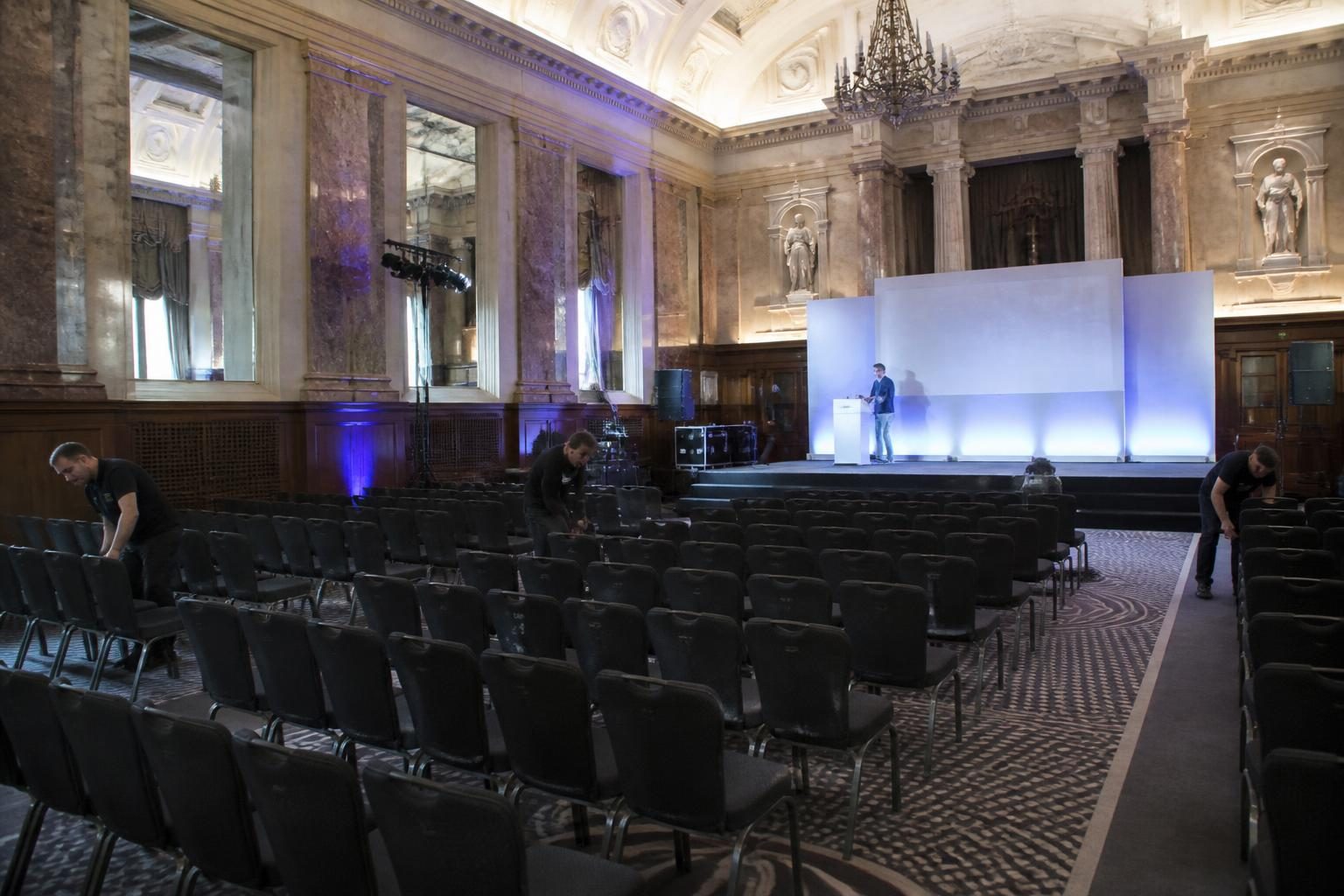
Running food and drink on site? Cafes and bars inside a venue can usually be included, but standalone restaurants and pubs need hospitality insurance. See also all industries.
- Gyms and fitness clubs: members using equipment, classes and personal trainers, often across several sites
- Leisure centres and swimming pools: pool supervision, plant rooms and chemical storage
- Trampoline parks and soft play: frequent minor injuries, children on site and strict equipment checks
- Climbing walls and adventure centres: instructed activities, equipment inspection and qualified staff
- Bowling, cinemas and family entertainment centres: large footfall, food and drink and arcade machines
- Theatres, concert halls and music venues: stage equipment, touring productions, crowds and late finishes
- Nightclubs: crowd management, late licences and door staff, often supplied by security contractors
- Visitor attractions and museums: historic buildings, exhibits and seasonal visitor peaks
- Zoos, farm parks and animal attractions: animal contact, feeding sessions and visitor hygiene
- Theme parks and amusement rides: rides needing independent inspection and specialist liability terms
- Golf, tennis and racquet clubs: members, clubhouses, grounds and bars
- Holiday parks and caravan sites: accommodation, pools, play areas and site roads, often on a combined policy
- Escape rooms and indoor activities: small groups in enclosed spaces with evacuation planning
- Event organisers: festivals, shows and conferences, with cancellation and liability
How much does leisure and entertainment insurance cost?
Leisure premiums follow the activity. These factors carry the most weight with underwriters.
Activities offered
Height, speed, water, rides and animals are rated above spectator or seated entertainment.
Visitor numbers and audience
Annual attendance, peak capacity, membership numbers and whether children or vulnerable adults attend.
Supervision and training
Staff ratios, instructor qualifications, lifeguard cover and inductions for new members.
Equipment inspection
Records of daily checks and independent inspections for rides, climbing systems, inflatables and play equipment.
Premises and seasonal income
Building values, fire protection and how sharply income peaks in school holidays or summer.
Claims and incident records
How injuries are logged, reported and followed up, and the claims made in recent years.
What leisure insurance commonly excludes
Leisure claims often turn on what was declared and how it was managed. Check these gaps against your schedule.
- Activities not declared to the insurer, including new attractions added during the year
- Abuse claims, unless an abuse extension has been agreed
- Injuries where required inspections or supervision ratios were not kept up
- Cancellation of events, which needs a separate event cancellation policy
- Advice from trainers and coaches, unless professional indemnity is included
- Liability of contracted instructors and coaches, unless the policy names them or they hold their own cover
- Income lost to bad weather alone, without physical damage
Venue policy or event insurance?
Permanent venues and one-off events are insured in different ways. Many operators need both.
| Feature | Leisure venue policy | Event insurance |
|---|---|---|
| Period | Annual, renewed each year | A single event or a season of events |
| Covers | Premises, equipment, income and ongoing liability | Cancellation, hired equipment and event liability |
| Who buys it | Owners and operators of venues and attractions | Organisers, promoters and venues hosting outside events |
| Income protected | Admissions and memberships after damage | Ticket income and costs if the event cannot go ahead |
| Weather | Rarely covered without damage | Adverse weather cancellation can often be added |
How to arrange leisure and entertainment insurance
Clear activity and safety information helps the broker secure workable terms. These are the steps a broker will work through with you.
List every activity and site
Each venue, every activity, ride or class, and anything run off site or at outside events.
Describe your visitors
Attendance, peak capacity, members, children's sessions, parties and groups with additional needs.
Show your safety controls
Risk assessments, staff ratios, training records, inspection reports and incident logs.
Confirm values and seasonality
Building and equipment values, income by month and how long recovery would take.
Check extensions and limits
Abuse cover, professional indemnity, liability limits set by landlords or councils, and event cancellation.
Talk to a leisure specialist
Describe your venues and activities and a specialist broker will compare cover for you.
Get a quoteLeisure and entertainment insurance FAQs
How much does leisure business insurance cost?
It depends on the activities you run, visitor numbers, the age of participants, supervision, equipment inspection, premises values and claims history. A cinema and a trampoline park with similar turnover can pay very different amounts. A broker can show where your premium comes from.
Do waivers mean I do not need liability cover?
No. A waiver can help show that participants understood the risks, but it does not remove a venue's liability where injury was caused by its own negligence. Public liability cover remains the main protection, with waivers one part of your risk management.
Is abuse cover included as standard?
Often not. Many liability policies exclude claims alleging abuse unless an extension is agreed, and insurers will ask about safeguarding policies, staff checks and supervision. Venues running children's activities or working with vulnerable adults usually need it.
Are personal trainers covered by the gym's policy?
Trainers you employ are usually covered, including for their advice if professional indemnity is part of the policy. Trainers who rent space or contract with members directly are generally expected to hold their own cover, and many gyms check evidence of it.
Are new rides or attractions covered automatically?
Not usually. Most leisure policies cover the activities declared to the insurer, so a new ride, activity or event format is worth notifying before it opens. The insurer may ask for inspection or installation records first.
Does leisure insurance cover cancelled events?
A standard venue policy covers income lost after physical damage, not cancellation for other reasons. Shows, festivals and conferences need event cancellation insurance, which can include the non-appearance of key performers and adverse weather.
Can a group with several gyms or venues have one policy?
Yes. Multi-site operators usually insure all sites on one schedule, with property values for each venue and liability rated across the group. Activities and visitor numbers are declared site by site so each one is priced correctly.
What liability limit does a leisure venue need?
It depends on the size of the venue and who you work with. Landlords, councils, sports bodies and event hosts often set a minimum public liability limit in their contracts, and larger venues usually choose a higher limit because of the number of visitors.
How do I get a leisure and entertainment insurance quote?
Fill in the short request on this page and a broker who places leisure and venue risks will arrange a call. They start from your activity list for each site, then visitor numbers, safety controls, values and past claims.
Ready to compare leisure and entertainment insurance?
Cover for venues, visitors and activities, arranged by a broker who understands how leisure risks are underwritten.